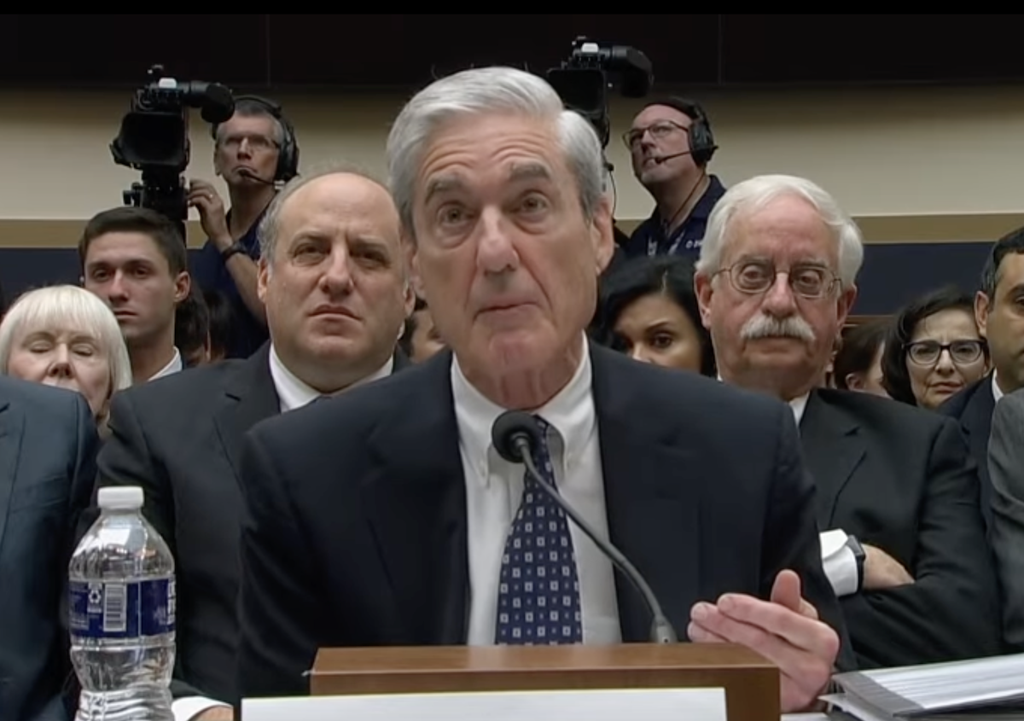
Robert S. Mueller III, the former FBI director and special counsel, passed away last week, prompting renewed scrutiny of his legacy, particularly regarding the investigation into Russian interference in the 2016 presidential election. This investigation has been a focal point of political discourse, and critics argue that Mueller's conclusions have been misinterpreted and misused, raising significant questions about the implications of his work for future investigations and the political landscape.
The core tension lies in the interpretation of Mueller's findings. Some critics assert that his work failed to clear former President Donald Trump of wrongdoing, while others contend that it was not Mueller's role to exonerate anyone. The investigation, which concluded that Trump did not commit a crime, included the controversial statement that it "does not exonerate him." This phrase has fueled ongoing political debates and discussions about accountability in governance.
Mueller's investigation lasted nearly two years and incurred substantial costs, with the primary aim of addressing allegations of Russian interference and potential collusion with the Trump campaign. Despite finding no evidence of collusion, Mueller's report has been cited by critics of Trump as justification for ongoing investigations and political attacks against him. The New York Times obituary noted that Mueller's conclusion left open the possibility of guilt, stating he could neither absolve nor accuse Trump of a crime, which has led to varied interpretations of his findings.
Controversial Conclusions
Critics of Mueller's approach argue that his findings have been weaponized by political opponents. Eddie Scarry, a columnist for The Federalist, contended that Mueller's statement served as a "lifeline for Democrats" and the media, allowing them to perpetuate claims against Trump without substantial evidence. Scarry emphasized, "It isn’t the job of a special counsel to exonerate anyone. It’s also not his job to convict anyone." This perspective highlights the complex role of a special counsel in navigating the political landscape while conducting investigations.
Supporters of Mueller's investigation, however, maintain that his work was crucial in uncovering foreign interference in U.S. elections. They argue that the investigation's findings provided necessary transparency about the vulnerabilities in the electoral process, even if it did not lead to criminal charges against Trump. Some legal experts note that the role of a special counsel is inherently complex and often involves navigating political sensitivities, which can complicate public perception and understanding of the investigation's outcomes.
Political Fallout
The fallout from Mueller's investigation continues to influence political narratives and discussions. Many Trump supporters view the investigation as a politically motivated attack, while opponents argue it was a necessary step to uphold the integrity of American democracy. Scarry pointed out that figures who challenged Trump during his presidency often faced backlash, stating, "Some figure of middling repute takes it upon him or herself to stop or mitigate the will of the voters who put Trump in the White House, inevitably self-destructing." This reflects the polarized nature of American politics and the challenges faced by those who engage in high-profile investigations.
Despite the controversies surrounding Mueller's legacy, some analysts caution against oversimplifying the impact of his work. They suggest that while Mueller's investigation may not have resulted in criminal charges, it highlighted significant issues regarding foreign influence in elections and the responsibilities of public officials to protect democratic processes. The investigation has raised important questions about the integrity of elections and the potential vulnerabilities that exist within the system.
Legacy and Reflection
As discussions about Mueller's legacy unfold, the broader implications for political discourse and accountability remain at the forefront. The investigation has sparked ongoing debates about the balance between political accountability and the presumption of innocence. While some view Mueller's work as a failure, others see it as a necessary examination of the complexities of modern politics and the challenges of ensuring accountability in governance.
In the wake of Mueller's death, the conversation about his impact on American political life is likely to continue. Both supporters and critics will weigh in on the significance of his findings and the role of special counsels in future investigations. As the nation reflects on Mueller's contributions, the legacy of his work will undoubtedly shape discussions about accountability and transparency in government for years to come. The implications of his investigation will resonate as political leaders and citizens alike grapple with the challenges of maintaining the integrity of democratic institutions.