The FBI under President Joe Biden reportedly obtained phone records of Trump campaign officials, including Susie Wiles, during the 2024 presidential campaign. This revelation has sparked comparisons to the Watergate scandal, raising serious questions about the extent of political surveillance in the United States and its implications for democracy.
The core issue revolves around allegations that the FBI conducted unauthorized surveillance on political opponents, which critics argue undermines democratic norms and principles. The implications of such actions could have significant consequences for the integrity of future elections and the public's trust in federal law enforcement agencies.
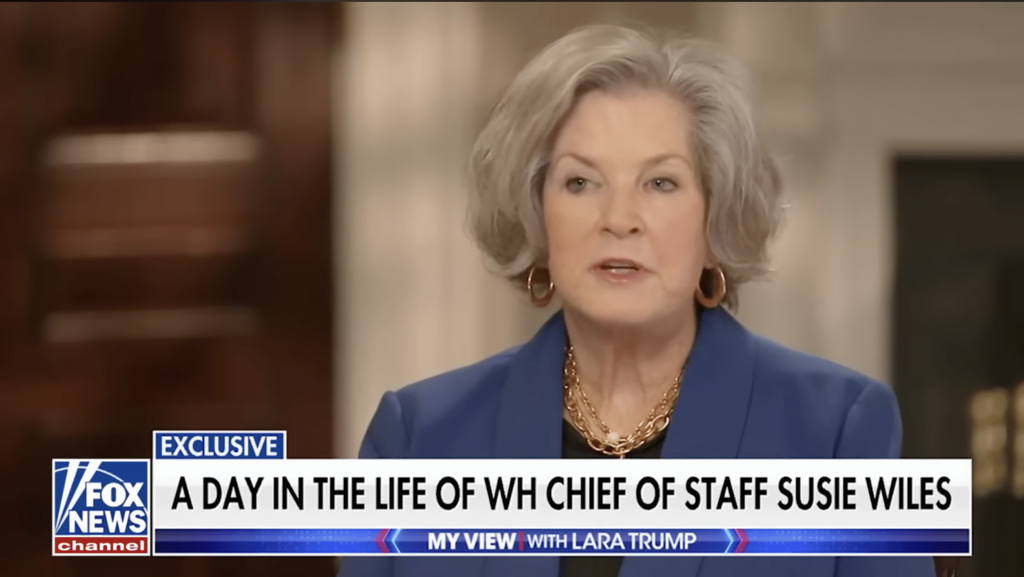
According to a report by Reuters, the FBI secretly subpoenaed phone records of Wiles, who was serving as a co-campaign manager for Donald Trump, and Kash Patel, a former official in the Trump administration. The records reportedly span from 2022 to 2023, a period during which Wiles was a private citizen. Patel has stated that the FBI recorded a phone call between Wiles and her attorney, although the attorney was aware of the recording while Wiles was not informed.
“It is outrageous and deeply alarming that the previous FBI leadership secretly subpoenaed my own phone records — along with those of now White House Chief of Staff Susie Wiles — using flimsy pretexts,” Patel told Reuters. He emphasized that the records were classified as "prohibited," complicating efforts to uncover potential corruption within the bureau after he took office in February 2025.
Background on Surveillance Allegations
The allegations come amid broader concerns about the FBI's practices under the Biden administration. Iowa Senator Chuck Grassley has previously raised alarms about the classification of certain FBI files, suggesting that it allows the agency to evade oversight from Congress and other entities. Grassley stated last June that this classification “allows FBI [to] pull the wool over the eyes of [Congress] + the IG + even their own employees.”
The controversy surrounding the FBI's actions has intensified following Grassley's release of documents indicating that the agency compiled an “enemies list” targeting Republicans. This list is reportedly part of an inquiry known as “Arctic Frost,” which aimed to investigate Republicans in key battleground states. Critics argue that such targeted actions represent a dangerous precedent for political surveillance, raising ethical concerns about the FBI's role in political matters.
Historical Context of Watergate
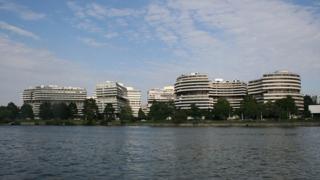
The Watergate scandal, which began in the 1970s, involved a break-in at the Democratic National Committee headquarters and led to significant political fallout, including the eventual resignation of President Richard Nixon. Operatives associated with Nixon's campaign wiretapped phones used by DNC staff, and the ensuing scandal reshaped American politics and public trust in government.
While there is no direct evidence that President Biden ordered the surveillance, the parallels drawn by critics suggest a troubling trend in the use of federal resources for political purposes. Many argue that if the actions of the FBI are not addressed, it could lead to a further erosion of public trust in government institutions, which is vital for a functioning democracy.
Supporters of the FBI's actions have not publicly responded to these allegations, leaving critics to voice their concerns without a counterpoint from the agency or the administration. The lack of a response raises significant questions about accountability and transparency within federal law enforcement, which are essential for maintaining public confidence.
Implications for Future Elections
As the 2024 presidential election approaches, the implications of these revelations could be profound. Critics warn that if political surveillance becomes normalized, it could deter candidates from running for office and undermine the democratic process. The potential for misuse of surveillance powers poses a significant risk to the integrity of elections and the principle of fair competition, which are foundational to American democracy.
The ongoing debate over the FBI's actions highlights the need for clear guidelines and oversight to prevent political bias in law enforcement. As the situation develops, both supporters and critics of the FBI's actions will likely continue to engage in a contentious dialogue about the role of federal agencies in American politics, emphasizing the importance of safeguarding democratic principles in the face of emerging challenges.