A federal Religious Liberty Commission established by executive order last May has released a draft report to President Donald Trump, calling for a series of policy changes aimed at strengthening protections for religious freedom in the United States. The commission, created by Executive Order 14291, was tasked with identifying emerging threats to religious liberty and upholding federal laws that protect civic participation in a pluralistic democracy, according to the White House order.
Explainer Free Speech Battles: Navigating Rights and Censorship in Modern Society
The commission's recommendations come as lawmakers and courts across several states debate the display of religious texts in public schools and the inclusion of the Bible in classroom instruction. At the heart of the debate is the balance between the constitutional guarantee of free religious exercise and concerns about government endorsement of religion.
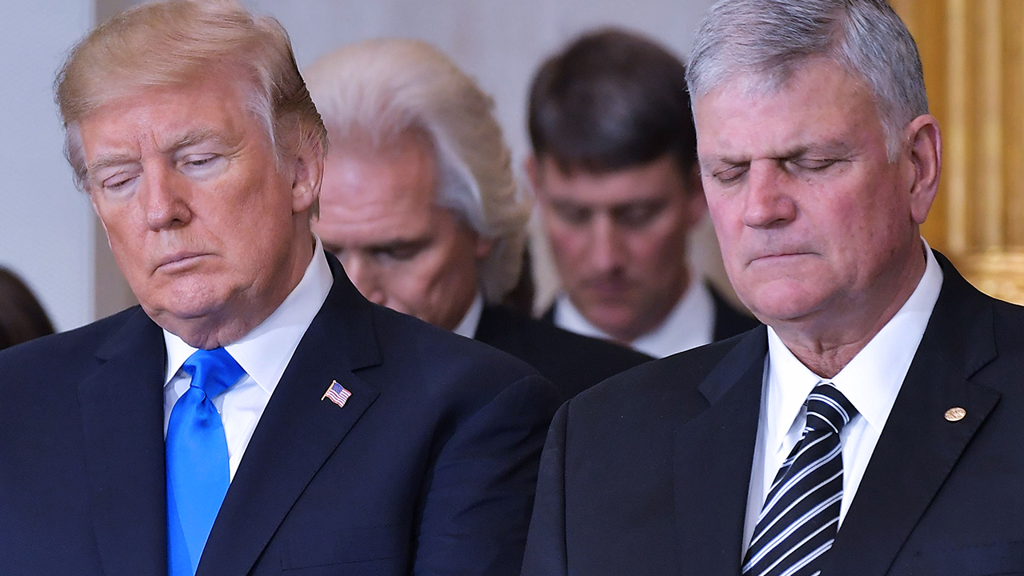
The commission held seven public hearings over the past year, gathering testimony from more than 100 witnesses representing a range of faiths, ages, and professional backgrounds. The hearings addressed topics including violence against houses of worship and a rise in antisemitism. Commissioners included Rabbi Meir Soloveichik, Pastor Franklin Graham, Ben Carson, Cardinal Timothy Dolan, Bishop Robert Barron, and Ryan Anderson, president of the Ethics and Public Policy Center.
Main Recommendations
The draft report outlines 12 recommendations, including requiring public officials who accuse individuals of improper religious expression to provide written justification within 30 days, establishing religious liberty reporting hotlines at federal agencies, and repealing the Johnson Amendment, which restricts political activity by tax-exempt organizations. The commission also calls for nominating federal judges committed to safeguarding religious freedom, enforcing civil rights laws to combat antisemitism, and restoring benefits to military service members penalized for conscience-based objections to vaccine mandates.
"Religious liberty is the first freedom. It is one that makes all the others possible. America’s founders knew it. The witnesses who testified before this commission know it."
— Andrea Picciotti-Bayer, director of the Conscience Project
The report emphasizes that religious liberty should be protected not only through legal remedies after violations occur, but also by fostering a culture that understands the purpose of those protections.
Historical Context and Debate
The commission's report seeks to clarify the meaning of the First Amendment's religion clauses, referencing Thomas Jefferson’s letter to the Danbury Baptists, which introduced the phrase "separation of church and state." The report argues this phrase has often been used to exclude faith from public life, rather than to prevent government coercion or punishment of religious expression. The Library of Congress maintains the original text of Jefferson’s letter, which affirms that government should not interfere with religious belief or practice.
Recent legislative efforts in several states to display the Ten Commandments in public schools and to incorporate the Bible into instruction have reignited debate over the boundaries of religious expression in public institutions. The commission contends that these are "genuinely contested questions" and that a clear historical understanding is necessary for lawmakers and judges to address them.
Commission Membership and Proceedings
The commission included prominent religious leaders from Jewish, Christian, and Catholic backgrounds, reflecting a range of perspectives on religious liberty. Catholic commissioners Ryan Anderson, Cardinal Timothy Dolan, and Bishop Robert Barron emphasized that the First Amendment protects all faiths and that no one should be coerced in matters of conscience.
During a hearing on antisemitism, one member was removed by the chair for pursuing a personal agenda, underscoring the commission’s commitment to its mandate. The commission continued its work without further disruption.
Response and Next Steps
The commission’s recommendations have drawn attention as Congress, courts, and state legislatures continue to debate the role of religion in public life. Supporters argue that the report restores the original meaning of constitutional protections for faith, while critics have not yet issued formal responses to the draft report. The White House has not announced when or if the recommendations will be adopted.
The commission’s report remains under review, with further public and official responses expected as debates over religious liberty continue.