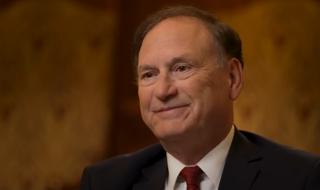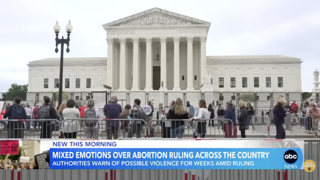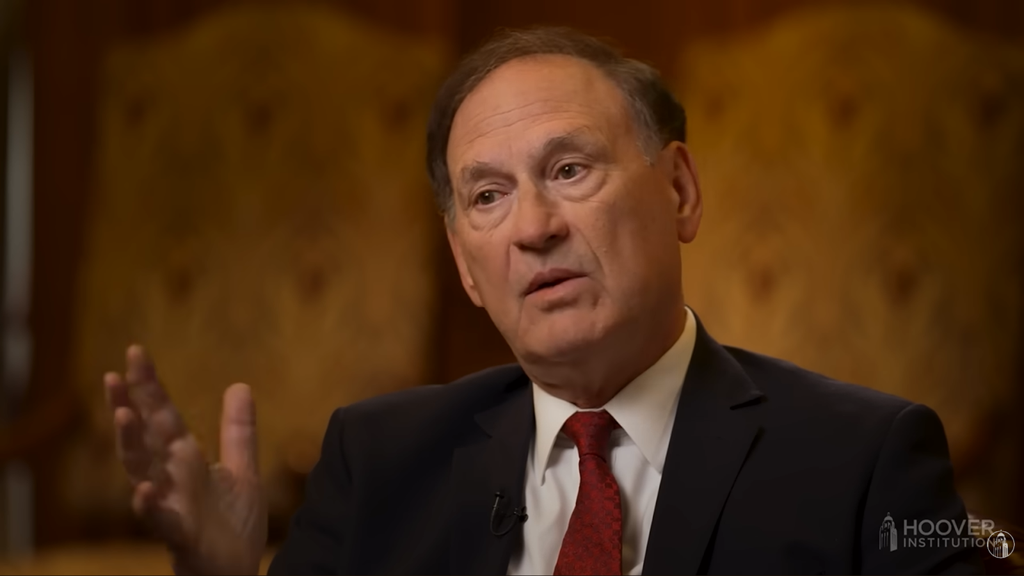
Supreme Court Justice Samuel Alito marked his 20th anniversary on the bench this past Saturday, reflecting on a judicial career characterized by a commitment to originalism and significant rulings on contentious issues. Alito, appointed by President George W. Bush, has authored landmark decisions that have shaped American law, including the 2022 ruling in Dobbs v. Jackson Women’s Health Organization, which overturned Roe v. Wade.
Explainer Free Speech Battles: Courts, Censorship, and Cultural Conflicts
The core tension surrounding Alito's tenure lies in the debate over judicial interpretation and its implications for American society, particularly regarding issues like abortion, free speech, and parental rights. Critics argue that his originalist approach undermines established rights, while supporters contend it restores constitutional integrity.
Since joining the Supreme Court in 2006, Alito has been a vocal advocate for a strict interpretation of the Constitution. His rulings often emphasize the importance of adhering to the text of the law rather than contemporary societal trends. In a recent interview, Alito stated, "We are not supposed to do what is popular, we’re supposed to do what is right."
Landmark Decisions
Alito's influence is particularly notable in cases involving free speech and parental rights. In the dissenting opinion for Murthy v. Missouri, he criticized the majority for allowing government censorship in collaboration with technology companies, describing it as "blatantly unconstitutional." He emphasized the essential role of free speech in democracy, warning that the ruling could encourage future government overreach.
In another significant case, Mahmoud v. Taylor, Alito authored the majority opinion affirming parents' rights to direct their children's religious upbringing. He wrote that parents should have the option to opt their children out of educational content that conflicts with their beliefs, stating, "The Board’s introduction of the ‘LGBTQ+-inclusive’ storybooks...places an unconstitutional burden on the parents’ rights to the free exercise of their religion."
The Dobbs Decision
Alito's role in the Dobbs decision has been particularly polarizing. The ruling not only overturned Roe v. Wade but also sparked nationwide debates about reproductive rights. In his majority opinion, Alito noted, "The Constitution makes no reference to abortion, and no such right is implicitly protected by any constitutional provision." This decision has been hailed by supporters as a restoration of states' rights, while critics argue it undermines women's autonomy.
Views on Equality and Religious Liberty
Alito has also articulated his views on equality under the law, asserting that the Constitution is a "colorblind" document. He has argued against affirmative action policies that favor certain racial groups, stating, "How are we gonna hold together if we don’t regard each other simply as fellow human beings?"
During a keynote address at Notre Dame Law School, Alito emphasized the fragility of religious liberty, warning against complacency. He stated, "Religious liberty is fragile, and religious intolerance and persecution have been recurring features of human history."
Humor and Personal Reflections
Despite his serious judicial demeanor, Alito has shown a lighter side. At a 2014 event, he humorously referenced the autobiographies of his fellow justices, prompting laughter from the audience. This blend of intellect and humor has contributed to his public persona.
Alito's reflections on hard work and perseverance also resonate with his background as the son of Italian immigrants. He noted, "They believed that anything was possible with hard work, and they particularly stressed the importance of education."
As Alito celebrates two decades on the Supreme Court, his legacy continues to provoke discussion and debate across the political spectrum. While supporters laud his commitment to constitutional principles, critics remain concerned about the implications of his rulings for individual rights and liberties.