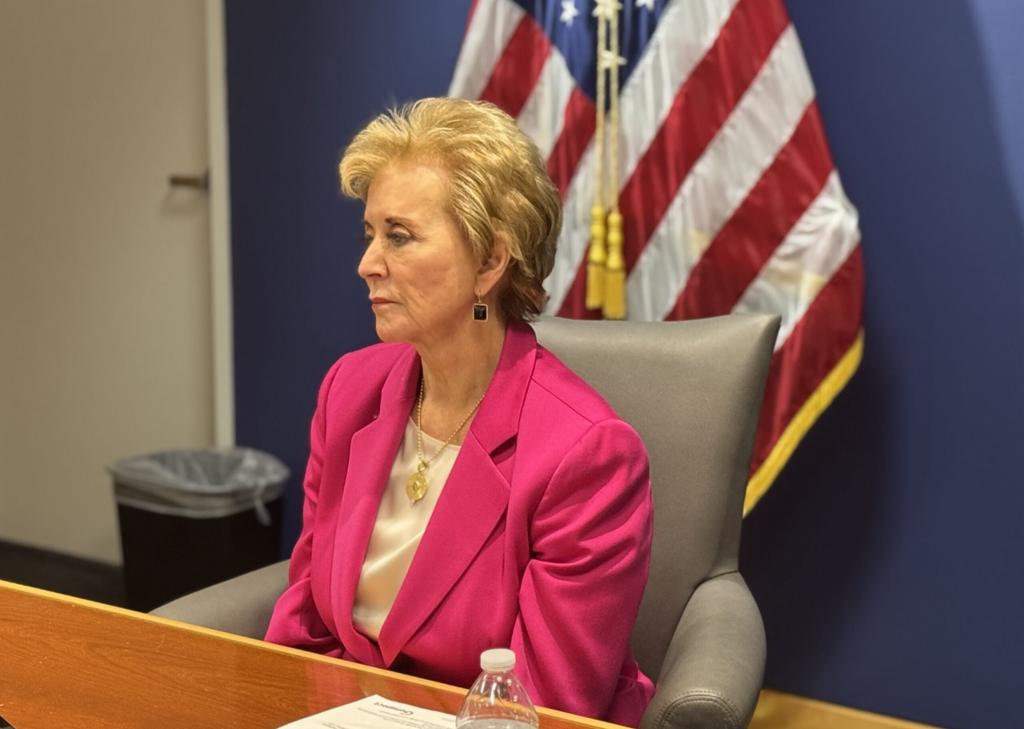
The U.S. Department of Education has determined that the California Department of Education (CDE) violated federal family rights law by facilitating the gender transition of students without parental knowledge or consent. This finding, announced on Wednesday, raises significant concerns about parental rights and student privacy in California schools.
Explainer Understanding the Transgender Discourse: Rights, Policies, and Challenges
The core issue revolves around the balance between student privacy and parental rights, as the federal investigation revealed that California pressured school districts to conceal sensitive information regarding students' gender transitions from their parents. Critics argue this practice undermines parental authority and could lead to harmful consequences for children.
According to a senior official from the Education Department, California's actions breached the Family Educational Rights and Privacy Act (FERPA), which mandates that schools provide parents access to all educational records upon request. "FERPA requires that schools provide access to all education records upon a parent’s request. Schools do not get to choose which records they feel like providing to parents and which ones they don’t," the official stated.
Background and Reactions
The investigation revealed that at least 300 students in California were placed on "gender support plans" without parental consent or knowledge. School officials, following directives from the CDE, stored these plans in separate filing systems to prevent parents from accessing them. The Education Department emphasized that this practice is not only unlawful but also morally questionable.
Education Secretary Linda McMahon criticized California's approach, stating, "Our investigation found that the California Department of Education egregiously abused its authority by pressuring school officials to withhold information about students’ so-called ‘gender transitions’ from their parents." She added that under the current administration, there has been a lack of accountability regarding parental rights in education.
The investigation also highlighted a specific case where a mother sued her daughter's school after staff encouraged her daughter to believe she was transgender and advised her to keep this information from her mother. School personnel reportedly assisted the student in using chest binders, which are used to flatten breasts, further complicating the situation.
Software and Compliance Issues
The Education Department noted that some of the concealment of gender transition information was facilitated by a student management software called Aeries, which is widely used across California. Education personnel allegedly requested features that would allow them to hide name changes and pronouns from parents through the parent portal.
Additionally, California has reportedly targeted and sued school districts that refused to comply with its parental secrecy policy, opting instead to adhere to FERPA regulations. This has raised alarms among advocates for parental rights, who argue that such actions threaten the fundamental rights of parents to be informed about their children's well-being.
Potential Consequences
California now faces the risk of losing federal funding due to these violations of FERPA. The Education Department has given the state two weeks to respond and rectify the situation. The department has outlined specific actions that CDE must take to comply with federal law, including informing school superintendents that gender support plans are subject to parental inspection.
While critics of California's policies have voiced strong concerns, supporters of the state's approach argue that protecting the privacy of students is essential, especially in sensitive matters such as gender identity. However, officials from California have not yet publicly addressed the findings of the federal investigation or the potential implications for state policy.
The ongoing debate over parental rights and student privacy in education continues to be a contentious issue, with advocates on both sides calling for reforms that balance the needs of students with the rights of parents. As this situation develops, the implications for educational policy and parental involvement in schools remain to be seen.
The Bottom Line
- Primary documents and official sources referenced in this story allow readers to verify the claims and context for themselves.
- The story highlights how struggles over policy and power inside institutions end up shaping daily life for ordinary people.
- Understanding the timeline and key players helps readers evaluate competing claims and narratives around this issue.
- Upcoming negotiations over dates, dollar amounts, and program details will decide who bears the costs and who keeps or loses benefits.