The U.S. Court of Appeals for the 9th Circuit ruled on Friday that the University of Washington cannot impose punitive measures against a professor for mocking mandated "land acknowledgments" in his course syllabus. This significant decision reverses a previous ruling by a lower court that had sided with the university, thereby affirming the professor's First Amendment rights.
Explainer Free Speech Battles: Courts, Censorship, and Cultural Conflicts
9th Circuit Rules in Favor of Professor's Free Speech on Land Acknowledgments
The case revolves around the delicate balance between institutional policies designed to promote inclusivity and the rights of faculty members to express dissenting views. The court's ruling underscores the critical importance of free speech within academic settings, particularly when it pertains to contentious and sensitive issues.
Background and Reactions
In 2019, the University of Washington adopted a policy that encouraged professors to include a land acknowledgment statement in their syllabi. This policy was part of a broader movement among educational institutions across the country to recognize the historical presence and contributions of Indigenous peoples. The university provided model language for these acknowledgments, which included references to the Coast Salish peoples and their historical ties to the land on which the university is situated.
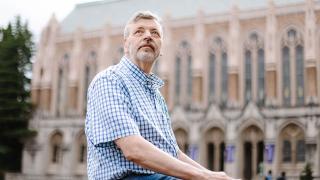
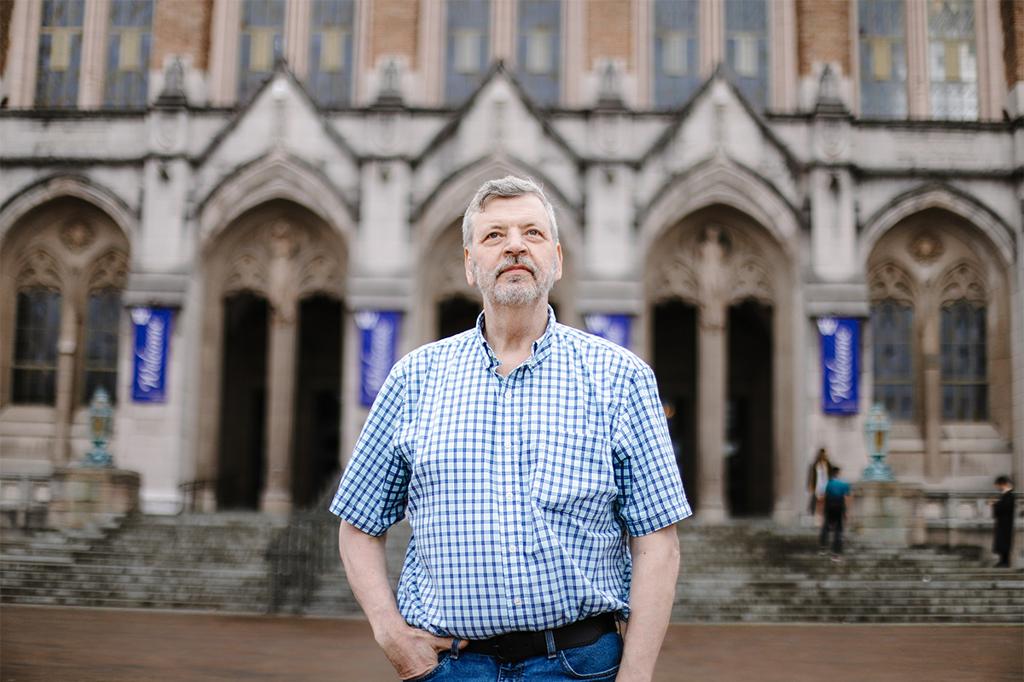
Computer science professor Stuart Reges took a stand against this policy by including a satirical version of the acknowledgment in his syllabus. His statement suggested that the Coast Salish people could not claim ownership of the land based on historical labor theories. Reges articulated his position by stating, "I acknowledge that by the labor theory of property, the Coast Salish people can claim historical ownership of almost none of the land currently occupied by the University of Washington."
In response to Reges' comments, the university reprimanded him and initiated a harassment investigation, claiming that his remarks caused significant disruption within the academic environment. Judge Danial Bress, who authored the majority opinion in the ruling, emphasized that mere discomfort among students does not justify punitive actions against faculty members. He stated, "Debate and disagreement are hallmarks of higher education. This discomfort is not grounds for the university retaliating against the professor."
The court's ruling highlighted the potential chilling effect that the university's actions could have on academic freedom. Judge Milan Smith remarked on the sensitivity of the university community, noting, "Some people would call it ‘woke’ — they call whatever they want — but the reality is you’ve got people who were upset."
Reges' case has garnered significant attention from free speech advocates, including the Foundation for Individual Rights and Expression (FIRE), which represented him in the lawsuit. FIRE argued that the university's actions constituted a clear violation of Reges' rights to free expression. Following the ruling, the 9th Circuit has sent the case back to the district court to determine the appropriate remedy for Reges.
Supporters of the land acknowledgment policy argue that such statements are essential for recognizing historical injustices and fostering a more inclusive academic environment. They contend that acknowledging the historical context of the land is a vital step toward reconciliation and understanding. However, critics of the policy assert that enforcing these acknowledgments can infringe upon academic freedom and stifle open discourse, which is fundamental to the educational process.
The university has not publicly responded to the court's ruling or addressed the criticisms raised by Reges and his supporters. As the case progresses, it raises important questions about the limits of institutional policies in academic settings and the protection of free speech rights for educators. The outcome of this case could have broader implications for how universities navigate the complex interplay between promoting inclusivity and safeguarding academic freedom.