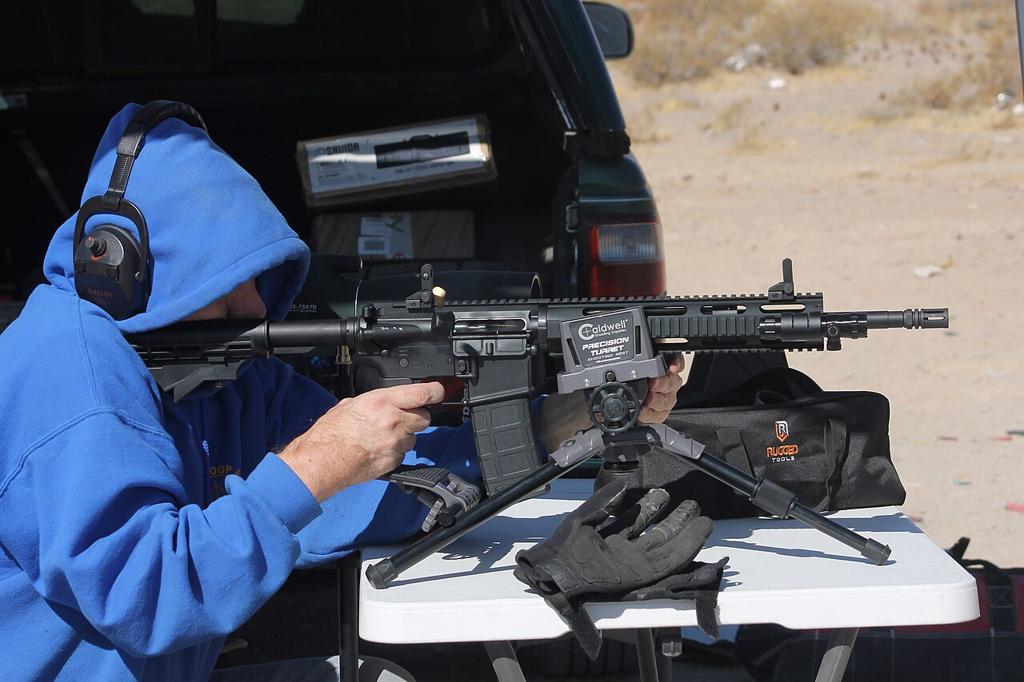
The Virginia Senate has advanced a bill that would significantly restrict gun ownership in the state, raising serious concerns among gun rights advocates about potential violations of the Second Amendment. Senate Bill 749 seeks to outlaw the importation, sale, manufacturing, purchase, or transfer of what it defines as an “assault firearm.” This definition includes semi-automatic rifles and pistols that have a magazine capacity exceeding 10 rounds.
Explainer Navigating Virginia's Electoral Landscape: Key Issues and Reforms
If enacted, the legislation could criminalize hundreds of thousands of gun owners across Virginia. Violators could face a Class 1 misdemeanor, which is punishable by up to a year in jail and a fine of up to $2,500. Critics of the bill argue that its provisions, particularly the exclusion of large capacity magazines from its grandfather clause, could effectively turn many law-abiding citizens into criminals overnight, raising significant legal and ethical concerns.
Legislative Context
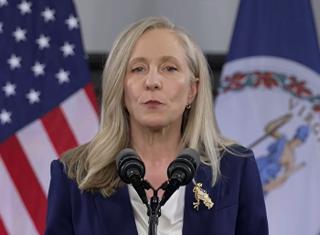
Virginia Democrats, who currently hold a trifecta in state government, are pushing this bill amid a broader national debate on gun control. Governor Abigail Spanberger, who has publicly stated her respect for the Second Amendment, previously pledged during her campaign to sign legislation that restricts gun magazine capacities and bans the sale of so-called “assault weapons.” Despite her assurances, gun rights advocates remain skeptical of the Democrats' intentions and motivations behind this legislative push.
As the bill continues to be debated in the state Senate, supporters argue that it is necessary for public safety, while opponents contend that it infringes on constitutional rights. "The real kicker comes in the bill’s 'grandfather clause,'" noted Cam Edwards from Bearing Arms, highlighting the implications for existing gun owners who may be affected by the new restrictions.
Supreme Court Considerations
The U.S. Supreme Court may soon weigh in on similar gun control measures, providing a potential avenue for challenging Virginia's proposed legislation. The court recently considered petitions in two significant cases: Viramontes v. Cook County and Duncan v. Bonta. These cases address the legality of bans on assault weapons and high-capacity magazines in Illinois and California, respectively.
Only three justices—Clarence Thomas, Samuel Alito, and Neil Gorsuch—indicated they would be willing to hear these cases. Justice Brett Kavanaugh, while agreeing with the decision to deny certiorari in previous similar cases, expressed openness to revisiting the issue in the future. He stated, "Opinions from other Courts of Appeals should assist this Court’s ultimate decisionmaking on the AR–15 issue," indicating that the Supreme Court is still grappling with the complexities of gun rights.
Implications for Gun Rights
The outcome of these Supreme Court cases could have significant implications for gun rights across the nation, including in Virginia. If the court chooses not to hear the cases, advocates fear that state-level restrictions could proliferate without federal oversight. "Should [the justices] decline to take up the Viramontes and Duncan cases, millions of Americans’ Second Amendment rights will once again be subject to the whims of gun-grabbing Democrat-led governments for years to come," warned Fleetwood, a staff writer for The Federalist.
As the Virginia Senate continues to debate SB 749, the stakes remain high for both gun owners and lawmakers. Supporters of the bill argue it is a necessary step toward reducing gun violence, while opponents maintain that it undermines constitutional rights. The outcome of the Supreme Court's deliberations could ultimately shape the future of gun legislation in Virginia and beyond, influencing how states approach gun control in the years to come. The ongoing discussions and decisions made in both the Virginia legislature and the Supreme Court will likely have lasting effects on the landscape of gun rights and regulations in the United States.