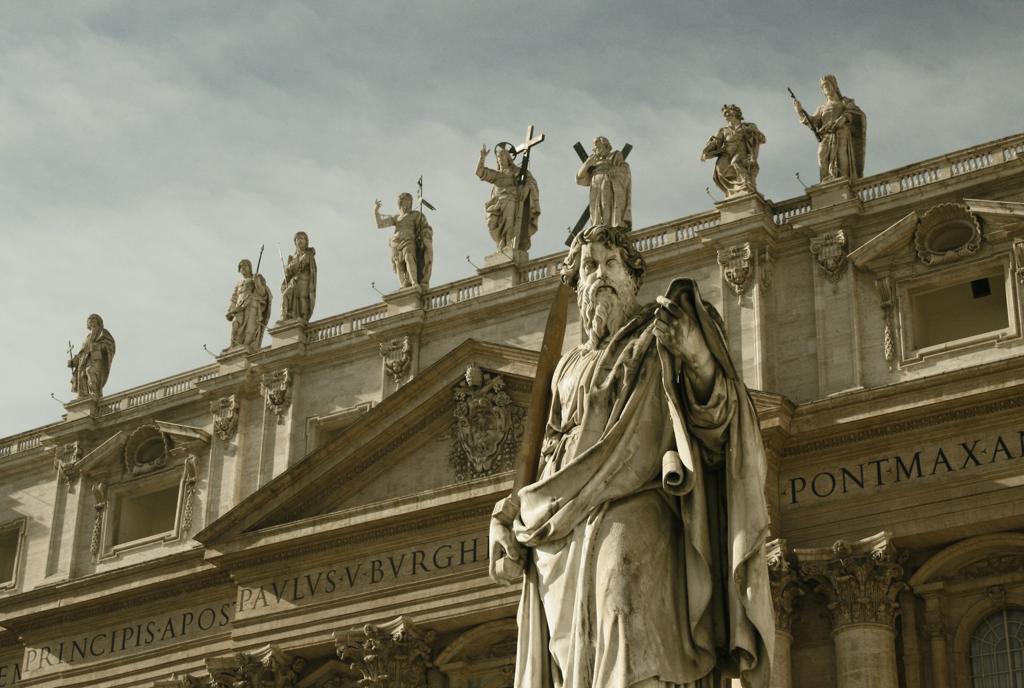
A growing discourse among academics and commentators suggests that appreciation for classical architecture and philosophy may be linked to white nationalism. Curtis Dozier, an associate professor at Vassar College, argues that conservative admiration for Greco-Roman antiquity is often a cover for extremist ideologies. In his upcoming book, "The White Pedestal: How White Nationalists Use Ancient Greece and Rome to Justify Hate," Dozier claims that even the Founding Fathers' use of classical styles was intended to convey imperial messages to marginalized groups.
Dozier contends that the classical influences on American political thought, particularly from Aristotle and Plato, promote notions of superiority and hierarchy. He states, "The men who articulated the founding principles of the United States did indeed turn to Greco-Roman antiquity to justify a social order that contemporary white nationalists would admire."
Critics of this perspective argue that such claims unfairly tarnish the appreciation of classical culture. They assert that the architectural styles and philosophical teachings of ancient Greece and Rome hold intrinsic value and should not be conflated with modern extremist ideologies.
The debate has intensified in the context of recent political events. The Trump administration's Executive Order 13967, which aimed to promote classical architecture in federal buildings, has been criticized by some as echoing the preferences of historical figures like Hitler and Mussolini. Dozier and others have linked this trend to a broader narrative that paints conservatives as aligned with white nationalist sentiments.
Media outlets have also contributed to this narrative. For example, Time Magazine has accused the Trump administration of employing rhetoric associated with white nationalism in its immigration policies. Similarly, The Washington Post has reported on recruitment efforts by the Department of Labor that allegedly utilized "white nationalist imagery."
The implications of this discourse extend beyond the Trump administration. Some commentators have suggested that the Republican Party has become synonymous with "white Christian nationalism," further complicating the political landscape. This characterization has been met with resistance from conservatives who argue that their beliefs are rooted in traditional values rather than extremist ideologies.
Dozier's assertions reflect a broader trend in which liberal academics and media outlets scrutinize the connections between classical education and contemporary political movements. He claims that proponents of classical education often inadvertently echo white nationalist rhetoric, stating, "Those who promote classical education often sound troublingly, even if unintentionally, similar to white nationalist intellectuals."
As the debate continues, many are questioning the validity of linking classical appreciation to white nationalism. Critics argue that such a connection undermines the rich intellectual heritage of Western civilization, which has contributed significantly to modern thought and governance. They emphasize the importance of distinguishing between historical appreciation and extremist ideology.
The discourse surrounding classical influences and their perceived association with white nationalism is likely to persist as both sides of the debate seek to define the narrative surrounding American cultural and political identity.