Free Speech Battles: Navigating Rights and Censorship in Modern Society
Explore the complex landscape of free speech in contemporary democracies, balancing constitutional rights against censorship pressures and political conflicts.
Additional reporting by Liam Walker, Alex Monroe
Free speech remains a fundamental pillar of democratic governance and societal liberty, deeply embedded in the First Amendment of the U.S. Constitution and mirrored in global human rights declarations. Yet, in today’s digitally interconnected and politically polarized societies, its application faces unprecedented challenges. The rapid rise of social media platforms and content-sharing sites has democratized who can speak and be heard but also complicated efforts to define the boundaries between protected expression and illegal or harmful speech.
The stakes have grown because free speech is no longer a purely legal or academic matter; it is a frontline battleground where cultural, political, and ideological conflicts unfold. Conservatives and liberals both affirm the essential nature of free expression but frequently clash over where and when limits should be imposed. These debates are further complicated by government officials, judicial bodies, and private tech companies all asserting competing roles in speech regulation. Understanding these layered struggles is critical to preserving liberty while confronting real societal risks posed by mis- and disinformation, incitement, and extremism.
Government Versus Online Platforms: The Brazil Rumble Controversy
"Free speech is not a free-for-all license to harm, but a fundamental right that serves as the cornerstone of freedom itself"
The clash between national sovereignty and digital platform autonomy sharply illuminated in Brazil's confrontation with Rumble in early 2025 underscores how complex free speech enforcement has become internationally. Brazil’s Supreme Court Justice Alexandre de Moraes ordered the suspension of Rumble, a video-sharing site popular for its free expression ethos, after the platform refused to remove content deemed unlawful by Brazilian authorities. This drastic legal intervention revealed Brazil's willingness to assert domestic regulatory authority over global platforms when content is perceived as threatening public order or spreading harmful misinformation.
Rumble and similar platforms position themselves as bastions against censorship, often critiquing mainstream tech giants like Facebook or Twitter for left-leaning content moderation biases. However, such platforms now face growing pressure to respect diverse national laws, many of which mandate content removal to limit violence, hate speech, or political unrest. Brazil’s aggressive stance illustrates a larger global phenomenon where governments increasingly enforce stricter controls on digital speech within their borders, irrespective of the platforms' American or international principles. This trend raises crucial questions about the limits of digital sovereignty and the business viability for companies resisting local enforcement versus suffocating user speech interests.
The Brazilian case also spotlights chilling effects on dissenters and marginalized voices, as governments may exploit content regulation under vaguely defined thresholds to suppress opposition or controversial opinions. This underscores the unresolved dilemma between respecting national legislative frameworks and maintaining an open marketplace of ideas—a tension that shapes not only Brazil but also U.S. debates over digital speech governance. Our recent coverage on Brazil's intervention in Rumble’s lawsuit expounds on this battle between judicial authority and platform resistance.
The Southern Poverty Law Center and the Politics of Labeling
Within the United States, free speech conflicts often manifest in contentious branding of groups and individuals deemed extremist or hateful. The Southern Poverty Law Center (SPLC) wields significant influence through its "Hate Map," a widely referenced registry of over one thousand groups it classifies as hateful or antigovernment. While defenders claim these designations serve public safety and vigilance against real threats, critics argue - especially from conservative quarters - that the SPLC’s methodology is politically biased and weaponizes hate labeling to silence or stigmatize conservative or dissenting views.
This dimension of free speech debate gained Congressional attention in June 2026, when SPLC interim President Bryan Fair testified before the House Judiciary Committee. Fair defended the organization's research as meticulous and nonpartisan, referencing their 2023 "Year in Hate and Extremism" report documenting 1,430 extremist groups nationwide. Yet lawmakers pressed on concerns that federal agencies and social discourse disproportionately use SPLC designations to justify censorship or discriminatory actions against conservative entities, potentially violating constitutional free speech protections.
The controversy surrounding the SPLC encapsulates a larger dilemma: how to effectively confront genuine extremist threats while safeguarding against politically motivated censorship masquerading as anti-hate efforts. Conservatives warn that misuse of such labels exacerbates social division and chills healthy political debate, eroding the broad free expression rights enshrined in law. Our analysis of the House hearing on the SPLC’s hate map unpacks how these dynamics play out in federal policymaking and public perception.
The Role of Courts in Defending or Limiting Speech
The judiciary frequently serves as the decisive arena for resolving free speech disputes, navigating delicate tensions between constitutional guarantees and competing public interests. Courts have repeatedly struck down government attempts to silence political satire or limit academic freedom, affirming that speech protections extend to uncomfortable or unpopular viewpoints. For example, a federal judge blocked Hawaii’s law censoring political satire, citing First Amendment violations, reinforcing that laws must provide clear, narrow restrictions rather than vague censorship.
Similarly, the Ninth Circuit Court of Appeals upheld an academic’s right to challenge prevailing narratives about land acknowledgments, reinforcing universities as vital free speech forums. However, the Supreme Court’s conservative justices, including Justice Samuel Alito, have also actively opposed laws they perceive as limiting provocative or religiously grounded speech, such as restrictions on gender-related counseling for minors. These decisions highlight ideological divides influencing how free speech boundaries are construed today.
The courts’ balancing act reflects broader societal struggles to reconcile free speech with concerns over discrimination, public safety, and social harmony. While conservative jurists emphasize liberty and skepticism towards expansive regulatory powers, opponents often advocate for speech limits to prevent harmful consequences. Our coverage of federal judicial decisions and Supreme Court reviews illuminate key rulings that shape the evolving legal landscape.
Cultural Flashpoints: Expression, Religion, and Political Correctness
Beyond formal legal debates, free speech controversies erupt frequently in cultural arenas such as sports, arts, and educational settings. The conflict over Major League Baseball players displaying Bible verses on Pride Night uniforms exemplifies the friction between religious expression and prevailing corporate or social norms that emphasize inclusivity and avoidance of offense. MLB’s warning to Giants players ignited debate on whether such gestures constitute rightful free speech or inappropriate statements in themed events.
Comparable disputes arise in combat sports with the UFC, where fighter costumes allegedly violating flag codes or political correctness norms have sparked criticism. These flashpoints force wider society to confront competing priorities: upholding individuals’ rights to express political or religious beliefs versus respecting communal values and diverse audiences. Many conservatives view these restrictions as thinly veiled censorship specifically targeting Christian or dissenting voices, reflecting an increasingly intolerant cultural orthodox that marginalizes traditional viewpoints.
These cultural conflicts underscore how free speech battles now reach far beyond courts into everyday social interactions, with left-leaning norms often dominating powerful institutions. Our coverage of the MLB Bible verse controversy and UFC costume debates provide front-row perspectives on these ongoing societal clashes.
The Political Left’s Expanding Influence and Its Impact on Speech
Conservatives have grown increasingly alarmed by what they see as the political left’s expanding control over universities, mainstream media, and key government agencies, using ideological enforcement to silence dissent. "Cancel culture" and aggressive speech codes are cited as tools of suppression rather than accountability, threatening the marketplace of ideas essential for democratic debate. Incidents such as ABC’s suspension of Jimmy Kimmel after controversial remarks, and backlash against conservative commentator Charlie Kirk, exemplify these tensions.
Critics argue that leftist forces weaponize accusations of hate speech, misinformation, or bigotry to curtail conservative—and sometimes moderate—voices, narrowing the space for open discourse. Some Republican lawmakers have called for legislative and institutional responses to counter these trends, warning against the long-term damage to political pluralism and free expression. Our reportage on media censorship allegations and the growing debate over left-wing political violence highlight the volume and gravity of these concerns.
Balancing Free Speech and Public Safety: The Tough Questions
The indispensable right to free speech inevitably encounters limits when expressions pose real threats to public safety, incite violence, or spread dangerous misinformation. Governments and social media platforms face growing pressure to combat terrorism, hate crimes, and false narratives that undermine societal stability. Yet, these necessary interventions risk overreach, suppressing lawful speech and fostering a climate of self-censorship. The legal battles over the government’s role in online content moderation illustrate this fraught terrain.
Recent settlements restricting government involvement in social media content moderation reveal legal recognition of constitutional safeguards against censorship disguised as policing. However, conservative critics caution that failure to act decisively against extremist content emboldens violent actors and destabilizes order. The central challenge remains in distinguishing truly dangerous speech warranting limitation from protected expression essential to democracy. Our detailed examination of the government settlements limiting content moderation clarifies these complex legal and ethical negotiations.
The Enduring Importance of Free Speech in Democratic Life
Despite intensifying disputes and shifting technological landscapes, free speech remains indispensable to America's constitutional republic and democratic ethos worldwide. It guarantees government accountability, empowers citizens to challenge prevailing orthodoxies, and sustains the marketplace of ideas necessary for societal advancement. Conservatives consistently argue that safeguarding speech from both governmental and corporate censorship is essential to defending liberty from an increasingly intrusive state and dominant political culture.
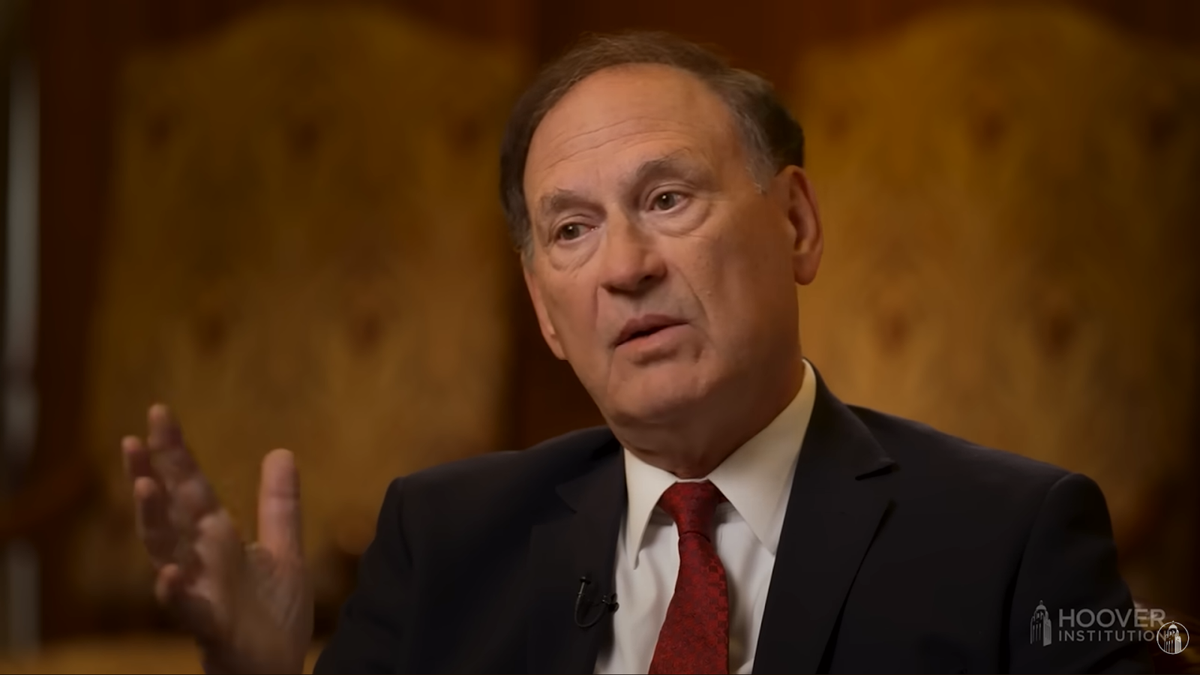
"Free speech is not a free-for-all license to harm, but a fundamental right that serves as the cornerstone of freedom itself," observed Justice Samuel Alito, underscoring the principle’s enduring significance amid today’s cultural hostilities. His tenure on the Supreme Court epitomizes the conservative constitutional commitment to protecting expression, especially when the viewpoints expressed challenge prevailing social or political sentiments.
The ongoing challenge lies in identifying and countering censorship efforts cloaked as public safety or equity concerns, ensuring robust speech protections without empowering extremism. For readers seeking comprehensive insights, our continuing coverage of landmark court rulings and unfolding cultural controversies offer valuable context to understand and defend this crucial liberty.
Frequently asked questions
What legal protections exist for free speech in the United States?
The First Amendment to the U.S. Constitution protects free speech, limiting government restrictions except in cases like incitement, obscenity, or defamation.
How do courts balance free speech with concerns over hate speech or harmful content?
Courts apply strict scrutiny to laws restricting speech, often blocking vague or overly broad statutes but allowing restrictions when speech incites violence or constitutes true threats.
Why is the Southern Poverty Law Center controversial regarding free speech?
The SPLC labels certain groups as 'hate groups,' but critics say its criteria are politically biased, potentially suppressing conservative voices under the guise of combating hate.
How do social media companies impact free speech debates?
Social media platforms moderate content to enforce community standards, sometimes removing or restricting posts, which raises questions about private censorship versus public free speech rights.
What are the risks of government involvement in regulating online speech?
Government regulation risks overreach and suppression of lawful speech, potentially chilling dissent and empowering political censorship under security or public order pretenses.
Can free speech include religious expression in public or cultural spaces?
Yes, religious speech is protected, but conflicts arise when such expression conflicts with corporate or cultural norms, leading to disputes over rights and respect for diversity.
What role do cultural controversies play in the free speech discussion?
Cultural controversies highlight how free speech battles extend beyond law into public discourse, involving social norms, political correctness, and power dynamics.
Timeline of our coverage
- 2026-06-25 — Brazil Intervenes in Rumble Lawsuit Against Censorship Orders
- 2026-06-18 — House Hearing Highlights Controversy Over SPLC's Hate Map
- 2026-06-16 — MLB Warns Giants Players Over Bible Verses on Pride Night Uniforms
- 2026-06-12 — Newsweek Criticizes UFC Costumes Amid Flag Code Debate
- 2026-06-04 — Henry Nowak's Death Raises Concerns Over U.K. Censorship Policies
- 2026-05-18 — Alex Berenson Settles Lawsuit with Federal Government Over Free Speech Claims
- 2026-04-15 — California Bill Aims to Restrict Investigative Journalism Amid Immigration Debate
- 2026-04-01 — The Federalist Reaches Settlement with State Department Over Free Speech Concerns
- 2026-03-25 — Settlement Limits Government's Role in Social Media Content Moderation
- 2026-03-02 — Texas Fire Chaplain Settles for $78,000 After Dismissal Over Blog Post
- 2026-02-02 — Federal Judge Blocks Hawaii Law Censoring Political Satire
- 2026-01-31 — Justice Samuel Alito Marks 20 Years on the Supreme Court
- 2025-12-19 — 9th Circuit Rules in Favor of Professor's Free Speech on Land Acknowledgments
- 2025-12-04 — Concerns Rise Over Political Censorship Tactics in the U.S. and U.K.
- 2025-11-12 — Trump Must Crush The Left's Antifa-Led Terror Network Or It Will Crush His Movement
- 2025-10-30 — Finland's Supreme Court Considers Bible Quoting as Hate Speech
- 2025-10-13 — Trump to Posthumously Award Charlie Kirk the Presidential Medal of Freedom
- 2025-10-10 — Supreme Court to Review Free Speech Rights of Counselors in Colorado Case
- 2025-10-08 — Senate Hearing Addresses Allegations of Censorship by Federal Government
- 2025-10-08 — Alito Slams CO For Saying Therapists Can't Affirm Kids' Natural Sex
The Bottom Line
- Free speech underpins democracy by allowing open debate and criticism of government power.
- Censorship efforts often disguise political bias aimed at silencing dissenting, especially conservative, voices.
- Judicial rulings shape how broadly free speech protections apply across cultural and digital landscapes.
- Social and political polarization magnify conflicts over what constitutes acceptable speech, threatening civil discourse.
Sources
- Comer Probes Southern Poverty Law Center’s Influence Over Federal Employees
- Fcc.gov
- Brazil Judge Orders Suspension of Rumble Platform Amid Censorship Lawsuit
- The Year in Hate and Extremism 2023
- Theepochtimes.com: At Hearing Lawmakers Debate Splcs Hate Map 5959272
- Lc.org: 061026 Splc Faces Congressional Scrutiny Over Its Hate Map 1
- Splcenter.org: Splc Releases Annual Year Hate Extremism Report Decodes Far Rights Plan Undo Democracy