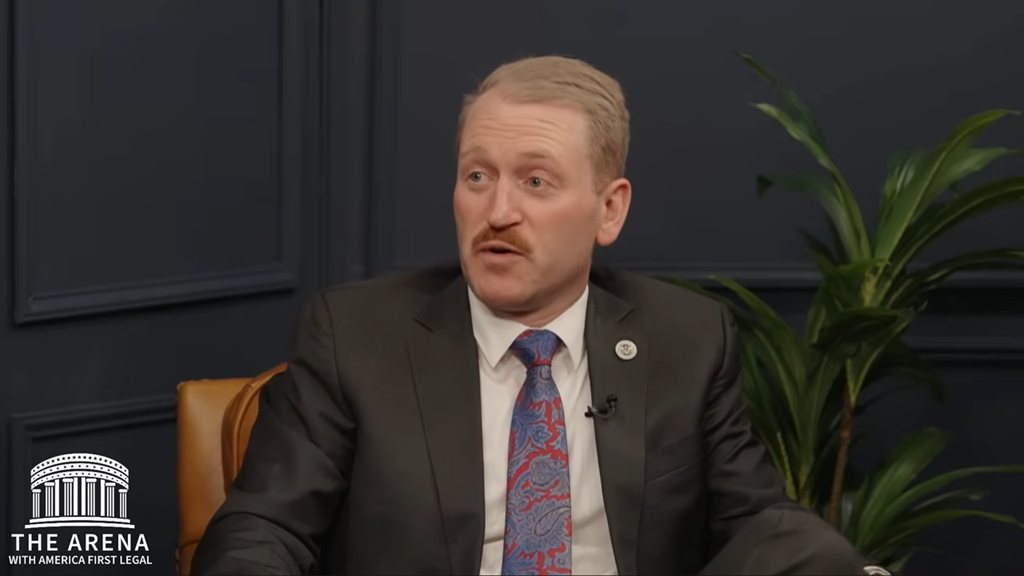
A coalition of 128 former state and federal judges, joined by the Democracy Defenders Fund (DDF) and Lawyers Defending American Democracy (LDAD), has filed an ethics complaint with the Florida Bar against Department of Homeland Security General Counsel James Percival. The complaint alleges that Percival violated professional conduct rules by publicly criticizing sitting judges on social media and in media appearances. The groups argue that such actions could undermine judicial independence and potentially endanger the safety of judges.
Explainer How DHS Shapes Immigration Enforcement and Election Security in America
The complaint underscores a growing national debate over the boundaries of permissible criticism of the judiciary by government attorneys. Advocates for the complaint warn that unchecked criticism from high-ranking legal officials could erode the rule of law, while Percival’s supporters cite First Amendment protections and argue that robust debate about court decisions is essential in a democracy.
The filing comes after Percival, who previously served as chief of staff to Florida Attorney General Ashley Moody, posted a thread on X (formerly Twitter) on July 23 titled “Worst of the Worst, District Judge Edition.” In the posts, Percival named and criticized several judges for their handling of immigration cases, focusing in particular on what he described as delays in implementing a recent Supreme Court decision in Mullin v. Doe. That decision limited judicial review of Temporary Protected Status (TPS) decisions. The complaint also references a May article by Percival in The Federalist, where he accused Judge Melissa DuBose of “judicial misconduct” in a case involving an undocumented immigrant.
Details of the Ethics Complaint
According to the complaint, Percival’s social media posts and public statements amounted to “unfounded and derogatory characterizations” of four sitting judges. Among those named was Judge Brian Murphy, who recently lifted a stay that had blocked the termination of TPS for Ethiopian nationals. The advocacy groups argue that Percival’s statements violate Florida Bar Rule 4-8.2(a), which prohibits attorneys from making false or reckless statements about the integrity or qualifications of a judge.
Virginia Canter, chief counsel at DDF, stated that Percival’s actions “could be used to incite violence that threatens the safety of these hard-working judges.” Scott Harshbarger, chair of LDAD and a former Massachusetts attorney general, described the criticism as “a classic autocratic response to fair and impartial court decisions.”
The complaint urges the Florida Bar to investigate whether Percival’s conduct warrants disciplinary action. The groups point to previous bar complaints filed by LDAD against conservative attorneys involved in election challenges, such as Rudy Giuliani, John Eastman, and Texas Attorney General Ken Paxton, as part of a broader effort to hold attorneys accountable for public statements that may undermine the judiciary.
Percival’s Response and Supporters’ Views
Percival responded to the complaint on X, arguing that his posts constituted a “legitimate fact based critique” of judicial decisions. He accused his critics of attempting to silence him for exposing what he described as “judicial activism.”
“Notice the resources the Left is putting into silencing me. Why? Judicial activism is their golden goose, and they’re afraid if I keep talking about it then it will stop.”
— James Percival, DHS General Counsel
Supporters of Percival, including legal commentators on social media, have questioned whether criticizing judicial rulings should be grounds for a bar complaint. They cite concerns about free speech and the importance of open debate about court decisions. One user wrote, “Hard to believe more than 100 former judges think exercising First Amendment rights (no threats by Mr. @DHSGenCounsel) warrants this.”
Percival’s defenders argue that public officials must be able to express their views on the judiciary, especially when it comes to controversial or high-profile cases. They maintain that criticism of judicial rulings, even when pointed, is a protected form of speech and an important part of democratic accountability.
Broader Context and Next Steps
The dispute comes amid heightened attention to court actions on Temporary Protected Status. Judge Murphy’s recent decision allowed the Trump administration to end TPS protections for Ethiopian nationals, aligning with the Supreme Court’s ruling in Mullin v. Doe. The advocacy group African Communities Together had challenged the termination, citing ongoing conflict in Ethiopia, but the court ultimately sided with the administration. Following the ruling, the Department of Homeland Security stated that individuals whose TPS was terminated should leave the United States or face deportation.
While DDF and LDAD argue that Percival’s rhetoric could endanger judicial independence and the personal safety of judges, Percival and his supporters maintain that robust criticism of judicial decisions is protected speech and necessary for transparency. The Florida Bar has not yet commented on the complaint or indicated whether it will open a formal investigation. The outcome of the complaint could have implications for how government attorneys engage with the judiciary in public forums and the limits of professional conduct rules in the age of social media.
The case highlights ongoing tensions between the need to protect the integrity and independence of the judiciary and the rights of attorneys, including government officials, to speak publicly about the courts. As the Florida Bar considers its response, legal observers are watching closely for potential impacts on the boundaries of permissible speech for members of the legal profession.