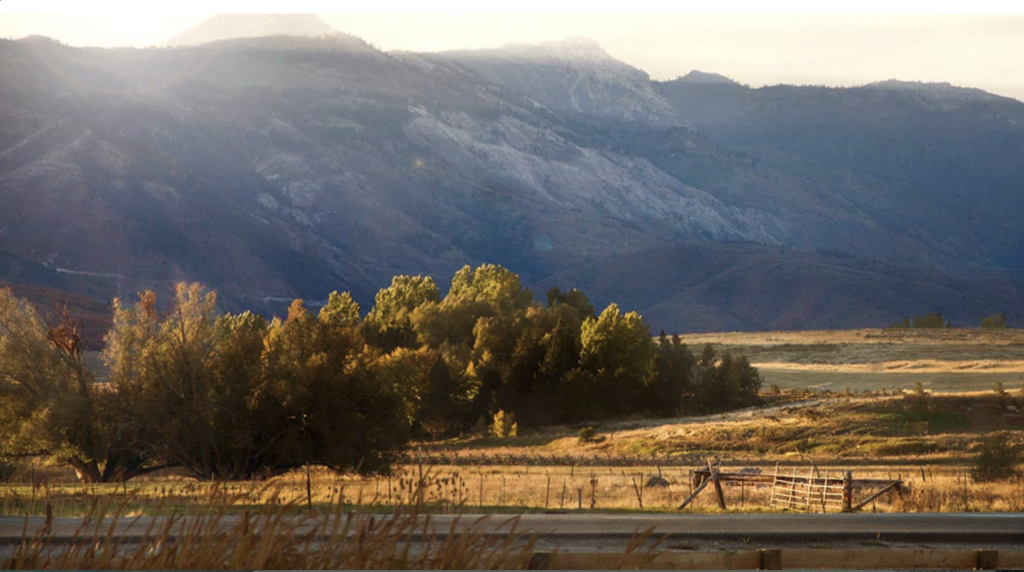
A planned 265-home subdivision north of Salt Lake City has been halted after the U.S. Army Corps of Engineers denied a Clean Water Act permit, citing jurisdiction over a drainage ditch and a 2.74-acre damp area on the 142-acre property. The decision comes in the wake of the Supreme Court’s landmark Sackett v. EPA ruling, which narrowed federal authority over wetlands to those with a continuous surface connection to navigable waters. The case has become a flashpoint in the ongoing debate over the reach of federal environmental regulations and the rights of private landowners.
Explainer Understanding Antifa: Origins, Actions, and National Security Implications
The Old Farm Subdivision, proposed by developers Lew Swain and Brent Bailey through Willard Land, LLC, was designed to address the region’s growing housing needs. The project included plans for significant upgrades to local water and sewer infrastructure, reflecting the rapid population growth in the area. However, the Army Corps’ decision has put the project on hold, raising questions about how federal agencies are interpreting the Supreme Court’s recent guidance on wetlands regulation.
Corps Denies Permit for Old Farm
On April 8, the Army Corps withdrew and effectively denied the developers’ Clean Water Act permit request, citing jurisdiction over a small drainage ditch and an adjacent damp area on the property. This action came despite the Supreme Court’s direction in Sackett v. EPA that only “relatively permanent, standing, or continuously flowing bodies of water” are subject to federal regulation. The developers, represented by the Pacific Legal Foundation, argue that the property is nearly nine miles from the Great Salt Lake and is separated from it by major infrastructure, including highways and rail lines. They maintain that the site lacks any hydraulic connection to navigable waters, and therefore does not meet the post-Sackett definition of protected waters.
The developers filed the lawsuit Willard Land v. U.S. Army Corps of Engineers in the U.S. District Court in Utah on August 11, challenging the Corps’ interpretation and enforcement of the Clean Water Act. According to Charles Yates, an attorney with the Pacific Legal Foundation, “The Clean Water Act gives the Army Corps of Engineers limited authority to regulate navigable waters — not total control over every drainage ditch and damp parcel of land in the country.”
The developers and their legal team argue that the Corps’ decision, if upheld, could set a precedent for similar restrictions on private landowners across the country. They contend that such actions undermine the Supreme Court’s intent in Sackett v. EPA, which was to limit federal jurisdiction and provide clearer boundaries for landowners.
EPA Rulemaking and Public Comment
In response to the Supreme Court’s decision, the Environmental Protection Agency, led by Administrator Lee Zeldin, has proposed a new rule to clarify the definition of “waters of the United States” under the Clean Water Act. The proposed rule, published in the Federal Register, would require that wetlands have a “continuous surface connection” to a covered, relatively permanent body of water in order to fall under federal jurisdiction. Public comments on the proposed rule are open until October 9.
The EPA’s proposed rule is intended to bring federal regulations into alignment with the Supreme Court’s limits and to provide greater certainty to landowners, developers, and regulators. However, the Corps’ recent permit denial in Utah has raised concerns among property rights advocates and developers about whether federal agencies are fully implementing the Court’s guidance. Critics argue that inconsistent application of the law could lead to continued legal disputes and uncertainty for those seeking to develop land.
Broader Regulatory Context
For decades, the EPA and Army Corps of Engineers have interpreted “navigable waters” under the Clean Water Act to include a broad range of land features, such as seasonal streams, drainage ditches, and isolated wetlands. This expansive interpretation has led to costly compliance burdens for farmers, ranchers, developers, and other landowners. The Supreme Court’s Sackett ruling was widely expected to rein in this broad authority and clarify the limits of federal jurisdiction.
Despite the Court’s decision, the ongoing dispute in Utah suggests that friction remains over how the law should be applied on the ground. The Pacific Legal Foundation and other critics maintain that federal agencies must adhere to the limits set by Congress and the courts, and that overreach could stifle development and infringe on property rights.
Supporters of strong wetlands protections have not publicly responded to the Utah lawsuit or the Corps’ permit denial. The outcome of the case, along with the final version of the EPA’s rule, is expected to have significant implications for how wetlands are regulated nationwide. The resolution of these issues will likely shape the balance between environmental protection and property rights for years to come.