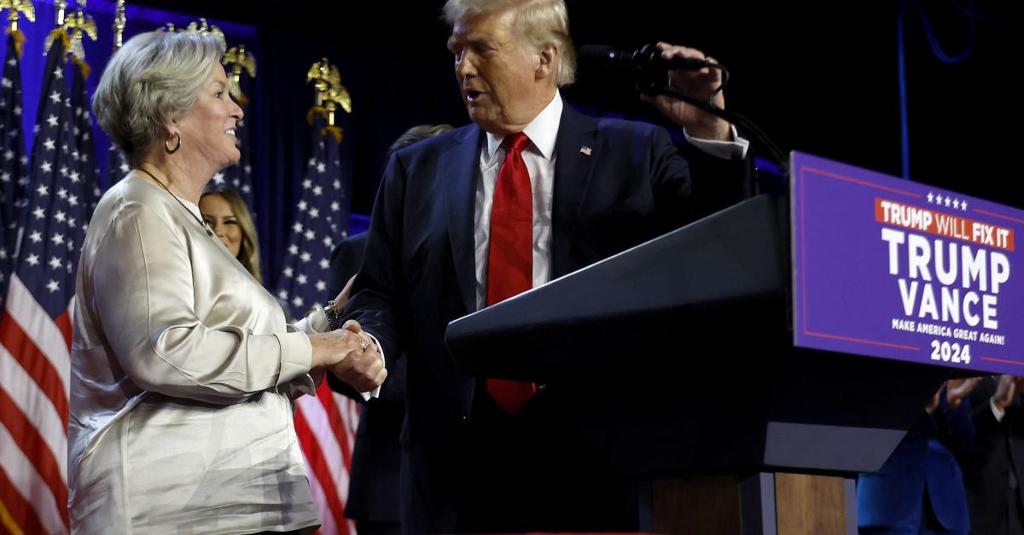
Newly declassified memos released by the White House Government Transparency Task Force reveal that FBI agents, under the direction of special counsel Jack Smith, monitored the phone calls and messages of President Donald Trump’s legal defense team, campaign advisers, and journalists. This surveillance was conducted by tracking the phone of Trump’s chief of staff, Susie Wiles, as part of a federal investigation into Trump’s handling of classified documents after leaving office.
The disclosures underscore an ongoing debate over the reach of federal investigative powers and the protection of constitutionally guaranteed activities, particularly when the subject is a former president and current political candidate. The memos, made public Monday, provide a rare look into the internal deliberations and methods used during a high-profile probe with significant political implications.
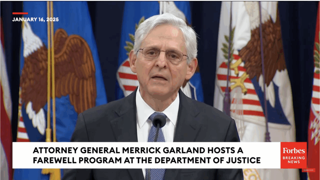
The investigation, codenamed Plasmic Echo, was authorized at the highest levels of the Biden Justice Department. According to the documents, FBI Director Christopher Wray sought approval in March 2022 to open a "Sensitive Investigative Matter." Both Deputy Attorney General Lisa Monaco and Attorney General Merrick Garland signed off on the request, setting the stage for the subsequent surveillance and investigative activities.
FBI Surveillance Tactics Detailed
The memos detail how FBI agents used pen register and trap and trace mechanisms from at least February to May 2023 to monitor Susie Wiles’ phone activity. Pen registers and trap and trace devices allow investigators to capture metadata about phone calls and messages, such as the numbers dialed and the timing and duration of communications, but not the content of the conversations themselves.
Through this surveillance, the FBI captured communications with at least 21 lawyers linked to Trump, as well as numerous campaign staff, political advisers, and at least five journalists. The majority of the names were redacted in the released documents, with the exceptions of FBI Director Kash Patel and Just the News founder John Solomon. One memo from March 2023 described agents reviewing the timing and duration of calls between Wiles and Trump’s attorneys, suggesting a focus on the structure and frequency of legal consultations.
The memos also document that an ABC News reporter contacted Wiles as the classified documents investigation intensified, indicating that the FBI was aware of and monitoring media outreach related to the case. Additionally, the FBI specifically reviewed Wiles’ phone activity around her April 7, 2023, interview with agents in Jacksonville, Florida, to identify contacts of interest before and after the meeting.
Internal Concerns and Alternative Approaches
The declassified records reveal that some FBI field agents expressed discomfort with the tactics used in the investigation. A senior official in the Washington, D.C. Field Office counterintelligence unit wrote in July 2023 that agents did not believe there was probable cause to conduct a raid at Trump’s Mar-a-Lago estate. The official suggested less invasive alternatives, such as directly contacting Trump’s attorneys to recover the documents in question. However, the Department of Justice “persistently disagreed” with these suggestions, according to the memos.
"WFO does not believe (and has articulated to DOJ CES), that we have established probable cause for the search warrant at Mar-a-Lago. DOJ has opined that they do, requesting a wide scope including residence, office, storage space."
— Assistant Special Agent in Charge, FBI Washington Field Office
Beyond phone surveillance, the memos show that agents examined Trump’s political action committee filings, monitored social media activity, and reviewed political endorsements as part of efforts to pressure witnesses. For example, after reviewing endorsements by former National Security Adviser Robert O’Brien, special counsel Jack Smith’s team subpoenaed O’Brien for the investigation.
Smith’s Response and Political Context
Special counsel Jack Smith has denied any wrongdoing or political motivation in the investigation. Appearing before the Senate Judiciary Committee last week, Smith stated, “Anybody who has worked with me and knows me during the course of my career knows that I would not let politics play a role,” and emphasized that his team shared this commitment to impartiality.
The investigation unfolded as Trump announced his campaign for another presidential term and named Susie Wiles as co-campaign manager, adding to the political sensitivity of the probe. The White House Government Transparency Task Force, which released the memos, is chaired by John Solomon, who is currently on leave from Just the News while serving in this capacity.
Despite the concerns raised by some FBI field agents and outside critics regarding the scope of the surveillance tactics, the Biden administration and Justice Department officials have not publicly addressed these issues. The memos provide a window into the internal debates and decision-making processes that shaped the investigation’s direction.
The declassified memos and accompanying fact sheet are available through the White House Government Transparency Task Force.