The Senate Judiciary Committee voted 12-10 along party lines on Tuesday to advance Acting Attorney General Todd Blanche’s nomination to the full Senate. The decision came after weeks of internal Republican negotiations and a deal to dissolve a controversial Justice Department fund, setting the stage for what is expected to be a contentious confirmation process.
Explainer The SAVE America Act: Defending Election Integrity with Strong Voter Eligibility Laws
Blanche’s nomination, which has been under scrutiny for several weeks, faced significant hurdles from within his own party. The main point of contention was the Justice Department’s $1.776 billion anti-weaponization fund. This fund was originally established to provide restitution to victims of alleged government abuses under the Biden administration. However, it became a flashpoint for Republican senators who argued it could be misused for political purposes.
Republican Holdouts and Negotiations
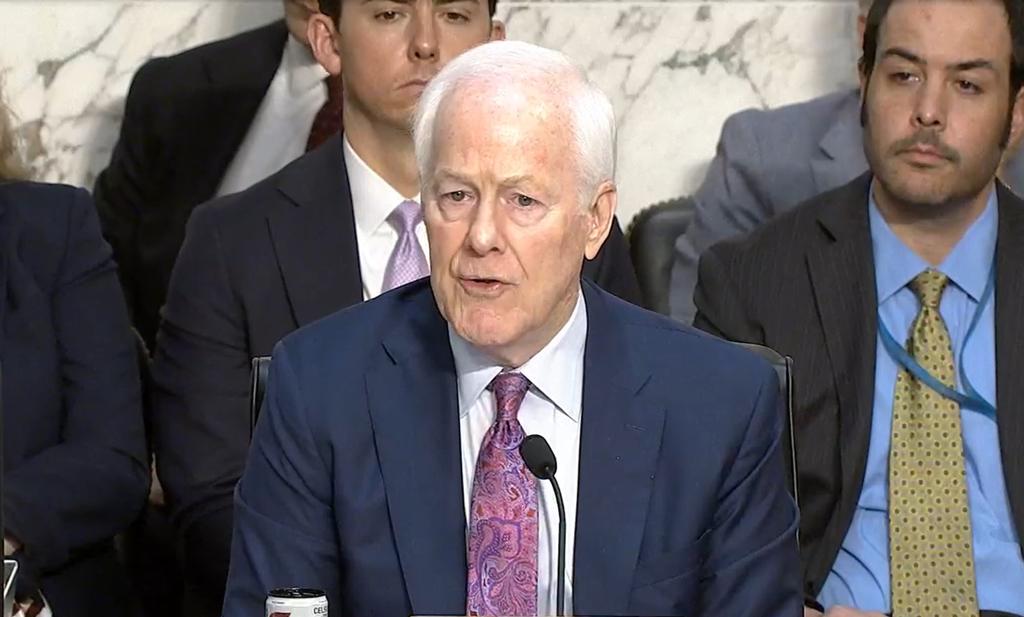
Senators John Cornyn of Texas and Thom Tillis of North Carolina were the primary Republican holdouts. Both objected to advancing Blanche’s nomination until their concerns about the fund were addressed. According to statements from the committee and reporting from The Federalist and The Texas Tribune, the stalemate was broken only after Blanche agreed to dissolve the fund and provided a signed statement confirming its dissolution. This concession was key to moving the nomination forward.
President Donald Trump, who nominated Blanche, reportedly considered withdrawing the nomination entirely until Cornyn and Tillis left office. This consideration, as reported by The Texas Tribune, underscored the significant leverage held by the two senators. Cornyn, who is set to leave office in January, ultimately agreed to support Blanche’s advancement but made it clear his support was conditional.
"We need a stabilizing force at the Department of Justice, and Mr. Blanche deserves the opportunity to provide that, as opposed to continuing to serve in an acting capacity and as the deputy attorney general."
— John Cornyn, U.S. Senator
Tillis, while voting to advance Blanche in committee, expressed broader reservations. He cited concerns about the weaponization of government by both parties, referencing past controversies such as the Crossfire Hurricane investigation and the IRS targeting of conservative groups. Tillis also questioned the recent indictment of former FBI Director James Comey for an alleged threat against President Trump, as outlined in a Justice Department press release. He emphasized that his support was limited to the committee vote and did not commit to supporting Blanche on the Senate floor.
Democratic Opposition and Crime Debate
Democratic members of the Judiciary Committee voiced strong opposition to Blanche’s nomination. They argued that Blanche is too closely aligned with Trump and questioned the transparency and motivations behind the dissolution of the anti-weaponization fund. Democrats also raised concerns about Blanche’s handling of high-profile investigations during his tenure as acting attorney general.
Judiciary Committee Chairman Chuck Grassley, a Republican from Iowa, defended Blanche by pointing to a reported decline in crime rates since the Trump administration took office and during Blanche’s time as acting attorney general. Grassley argued that Blanche has prioritized public safety and accused the previous administration of diverting resources away from crime investigations, suggesting that Blanche’s leadership marked a return to focusing on core law enforcement priorities.
Senator Lisa Murkowski, a Republican from Alaska, described the dissolution of the fund as a “pretty good step” but indicated she wanted more details about the negotiations that led to the deal. Other Republican senators, including Susan Collins of Maine and Bill Cassidy of Louisiana, are considered potential swing votes. Both Cassidy and Cornyn are leaving office this year, while Collins faces a competitive reelection campaign, adding further uncertainty to the upcoming Senate vote.
Next Steps in the Confirmation Process
With the Judiciary Committee’s approval, the full Senate will now consider Blanche’s nomination. Several Republican senators remain undecided, and Democratic opposition is expected to remain strong. The outcome of the confirmation vote is uncertain, as senators continue to weigh the recent deal to dissolve the anti-weaponization fund and ongoing partisan disputes over the direction of the Justice Department.
The Judiciary Committee’s executive business meeting and the Justice Department’s press release on the Comey indictment provide additional context for the proceedings. As the Senate prepares for a final vote, the debate over Blanche’s nomination reflects broader tensions over the future direction of federal law enforcement and the role of the attorney general in a polarized political environment.
Blanche’s confirmation remains in question, with the Senate expected to take up the nomination in the coming weeks. The outcome will likely hinge on the decisions of a handful of key senators and the ability of the administration to address lingering concerns about the Justice Department’s recent actions and future priorities.