Moderate Republicans on the Senate Health, Education, Labor and Pensions (HELP) Committee have introduced two bills designed to prevent the wholesale transfer of core education programs out of the U.S. Department of Education. This legislative move would effectively block ongoing efforts to fully dismantle the agency, underscoring a growing divide within the Republican Party over the future of federal education oversight.
Explainer The SAVE America Act: Defending Election Integrity with Strong Voter Eligibility Laws
The debate comes at a time when the Trump administration has accelerated its push to outsource many Education Department functions. These efforts have drawn criticism from both parties and raised questions about the direction of federal education policy in the United States.
Details of the Senate Bills
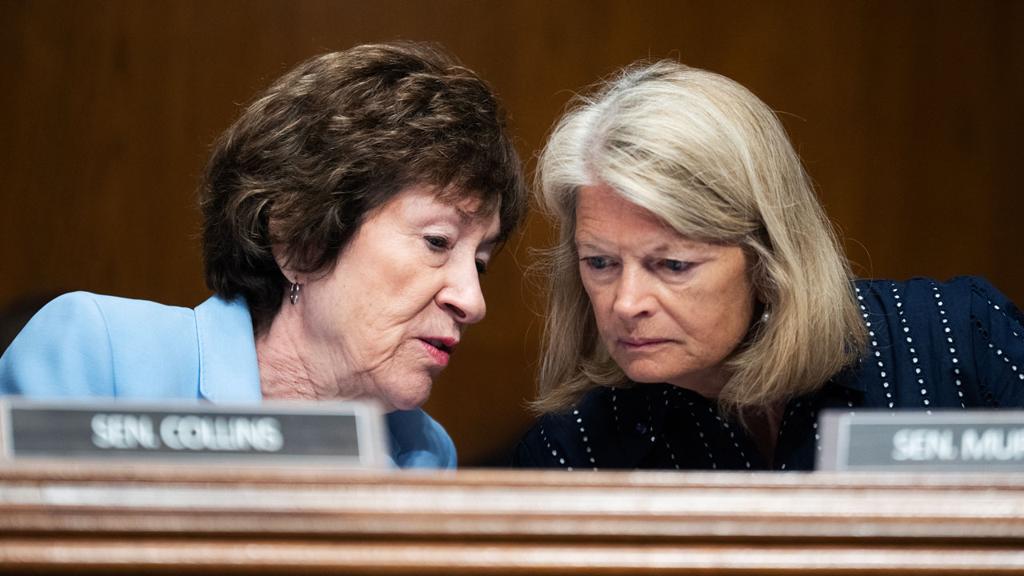
Senators Susan Collins (R-Maine), Lisa Murkowski (R-Alaska), and Tim Kaine (D-Va.) have sponsored S. 5046, a bipartisan bill that would prohibit the Department of Education from transferring key offices to other federal agencies. The offices affected include those overseeing special education, postsecondary education, elementary and secondary education, and Native American education programs. The bill also seeks to prevent agencies from using interagency agreements or other transfer authorities to circumvent these restrictions, aiming to keep these core functions within the Department of Education.
A separate measure, the Special Education Administration Protection Act, was introduced by Sen. Bill Cassidy (R-La.), who chairs the HELP Committee. Cassidy's bill specifically targets special education, barring the Department of Education from outsourcing special education programming to the Department of Health and Human Services or any other federal entity. Both bills are scheduled for consideration during a July 30 executive session of the Senate HELP Committee, where lawmakers will debate whether to advance the proposals.
GOP Division and Criticism
The legislative push by moderate Republicans comes as some in the party seek to counter President Donald Trump’s longstanding goal of shutting down the Department of Education. Since May 2025, the department has entered into 14 interagency agreements to transfer certain K-12 and higher education responsibilities to other federal agencies. These agreements are part of a broader effort by the administration to reduce the federal role in education and return more control to states and local governments.
Corey DeAngelis, a research fellow at the Heritage Foundation's Center for Education Policy, has been critical of the moderate Republicans’ actions. DeAngelis alleges that Senators Murkowski and Collins are influenced by teachers’ unions, noting that both have received contributions from the National Education Association. He argues that their efforts are “standing in the way of the American people’s agenda to return education back to the states.”
"With friends like these, who needs enemies?"
— Corey DeAngelis, research fellow, Heritage Foundation
According to DeAngelis, by defending the Department of Education, these senators are supporting a “centralized bureaucracy” and aligning with union interests that favor maintaining national control over public schools. This criticism highlights the ideological split within the GOP, with some members advocating for a significant reduction in federal involvement in education, while others seek to preserve certain federal protections and oversight.
House Action and Broader Context
Meanwhile, the House Education and Workforce Committee approved 10 Republican-led bills on July 15 that would codify several of the interagency agreements initiated by the Trump administration. These bills aim to permanently shift certain education activities out of the Department of Education. However, it is notable that special education and civil rights programs were not included in the House legislative package, leaving those areas under the department’s purview for now.
Supporters of the administration’s approach argue that transferring responsibilities to other agencies or to the states will reduce federal bureaucracy and give states more autonomy over education policy. They contend that decentralizing education will allow for more tailored and responsive programs at the local level. On the other hand, critics warn that such moves could create confusion, disrupt the delivery of key education services, and weaken federal accountability for programs that serve vulnerable populations.
Murkowski, Collins, and Cassidy did not respond to requests for comment from the Daily Signal regarding their legislative efforts or the broader debate over the Department of Education’s future.
The Senate HELP Committee’s upcoming session will be a key moment in determining whether the proposed bills to block or limit the transfer of education programs move forward. The outcome could shape the federal government’s role in education for years to come, as lawmakers continue to debate the balance between state and federal responsibilities in overseeing America’s schools.