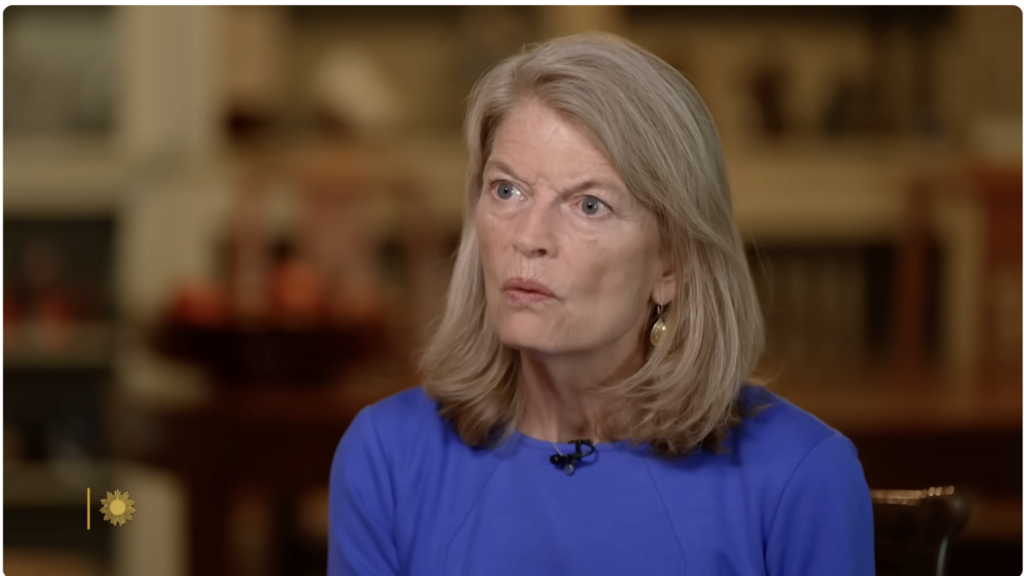
Sen. Lisa Murkowski, R-Alaska, is facing renewed criticism from conservative Republicans after voicing opposition to the Safeguarding American Voter Eligibility (SAVE) America Act. Murkowski, who has often found herself at odds with her party’s right flank, outlined her concerns in a recent Wall Street Journal op-ed. She stated that while she supports the bill’s "core tenets," its current form would have "serious negative effects in Alaska" and does not provide sufficient time or resources for proper implementation.
Explainer Voter ID Laws: Securing Elections While Debating Accessibility and Integrity
Concerns Over Access in Remote Alaska
The SAVE America Act would require proof of U.S. citizenship to register to vote and a photo ID to cast a ballot in federal elections. Murkowski argues that these requirements would impose significant burdens on Alaskans living in remote regions, where access to government offices is limited and travel is expensive. She cited examples such as an 18-year-old in Savoonga and a fisherman in the Aleutian Islands, estimating that a round-trip flight to Anchorage could cost about $1,500. For many residents, such costs are prohibitive and could effectively prevent them from participating in federal elections.
Murkowski also raised the issue of elderly voters born on tribal lands before Alaska achieved statehood. Many of these individuals may lack the necessary documentation to obtain a REAL ID-compliant card, which is required for certain federal purposes. According to the Alaska DMV, obtaining a REAL ID requires in-person application and proof of citizenship, which can be a challenge for those living far from DMV offices. While REAL ID is not mandatory for all residents, it will be required for boarding flights and accessing federal facilities starting May 7, 2025.
"Why? Because it would have serious negative effects in Alaska, and the current text doesn’t allow for the time and resources needed for proper implementation."
— Lisa Murkowski, U.S. Senator
GOP Backlash and Political Fallout
Conservative critics, including former President Donald Trump, have accused Murkowski of undermining election integrity and siding with Democrats. At a recent rally in Anchorage, Trump labeled her "worse than a Democrat" and described her as "a tool of a corrupt establishment." Other Republican figures, such as Rep. Anna Paulina Luna, R-Fla., have echoed these criticisms and called for a primary challenge against Murkowski, arguing that her position is out of step with most Alaska Republicans.
The controversy reflects a broader divide within the Republican Party over election integrity legislation. While many conservatives argue that strict identification requirements are necessary to prevent voter fraud, others warn that such measures could disenfranchise eligible voters, especially in rural and remote areas.
Senate Majority Leader John Thune, R-S.D., has also come under fire from the party’s right wing for not pushing harder to advance the SAVE America Act. Some conservatives have urged the Senate to remain in session until the bill is passed. Sen. Mike Lee, R-Utah, posted on X that the Senate should "stay in session continuously until the SAVE America Act is passed." Despite these calls, the Senate is scheduled to recess until September 14, according to the 2026 legislative calendar.
Supporters and Critics Weigh In
Supporters of the SAVE America Act argue that identification requirements are already a routine part of life for Alaskans. Residents must show ID to board flights, purchase alcohol or tobacco, and access government benefits. Critics of Murkowski contend that she could have worked to negotiate for satellite registration sites or additional funding to address access issues, as she has done for other legislation benefiting Alaska.
Murkowski’s office has not indicated whether she would support the bill if it included added provisions to improve access for remote voters. Meanwhile, the House is moving forward with a budget reconciliation package that incorporates elements of the SAVE Act. This legislative maneuver is intended to bypass a Senate filibuster and advance the bill with a simple majority. Trump has called on House Republicans to "UNIFY, and fight for THE SAVE AMERICA ACT" in a recent Truth Social post.
Broader Political Implications
Democratic leaders have not issued a formal response to Murkowski’s criticism of the bill. However, Democrats have previously opposed similar measures, arguing that they could disenfranchise eligible voters and disproportionately affect minority and rural populations. The ongoing debate over the SAVE America Act comes as both Murkowski and Thune face re-election campaigns in 2028. Conservative activists warn that failure to pass the bill could have political consequences for Republican incumbents.
The dispute over the SAVE America Act underscores the challenges of balancing election security with voter access, particularly in states with unique geographic and demographic challenges like Alaska. As the legislative process continues, both supporters and opponents of the bill are likely to keep the pressure on lawmakers, making election integrity a central issue in the coming election cycles.