Planned Parenthood has resumed receiving hundreds of millions in federal funding after a one-year congressional ban on Medicaid reimbursements to abortion providers expired in early July. The lapse followed Congress’s failure to extend the defunding provision, despite multiple legislative attempts and pressure from pro-life groups and lawmakers. The return of federal dollars to Planned Parenthood has intensified the political fight over taxpayer funding for abortion providers, with both sides mobilizing ahead of the next round of congressional action.
Explainer The Complex Legal Landscape of Abortion Laws After Dobbs
The ban, enacted as part of the One Big Beautiful Bill and signed into law on July 4, 2025, was championed by President Donald Trump, who also reversed prior administration policies that allowed federal funds for abortion services. According to a White House fact sheet, the measure was designed to align with public demand to stop taxpayer funding of abortion. The provision specifically targeted Medicaid reimbursements to abortion providers, impacting Planned Parenthood’s ability to operate at full capacity.
Congressional Action and Expiration
Senator Josh Hawley (R-Mo.) filed an amendment to the Senate Budget Resolution in April, seeking to extend the ban on federal payments to Planned Parenthood and similar providers. This amendment followed his earlier introduction of the End Taxpayer Funding for Abortion Providers Act, which aimed to make the funding ban permanent. Despite these efforts, Congress did not pass the extension, allowing the ban to expire on July 4, 2026, as confirmed by Hawley’s office.
Planned Parenthood celebrated the restoration of funding on July 5, calling it “immediate operational relief.” However, officials noted that the renewed funding was not enough to offset the financial losses from the prior year. During the ban, Planned Parenthood closed 30 of its approximately 600 clinics, according to reporting by The Federalist. The organization attempted to compensate for lost revenue through expanded transgender treatments and by selling abortion pills across state lines, but these efforts did not fully replace the lost federal reimbursements. The closures and service reductions affected access to reproductive health care in several regions, particularly in states with fewer alternative providers.
Pro-Life Groups and Political Pressure
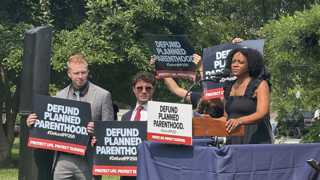
On July 16, leading pro-life organizations—including Americans United for Life, Live Action, Human Coalition, and the American Principles Project—held a press conference at Capitol Hill. They called on Congress to reinstate the defunding measure and criticized lawmakers for failing to uphold campaign promises. Several pro-life members of Congress spoke at the event, pledging to introduce new legislation to block federal funds for abortion providers.
"The restoration of federal funds is a horrific and preventable atrocity."
— Lila Rose, Live Action President
Live Action President Lila Rose also announced a new campaign, “Until It Ends,” encouraging 40 days of fasting, prayer, and advocacy. The campaign is aimed at mobilizing grassroots support and increasing pressure on lawmakers to act. Pro-life advocates argue that community health centers serve Medicaid beneficiaries more effectively than Planned Parenthood, citing published data that these centers outnumber Planned Parenthood clinics by 15 to 1. They contend that federal funding for abortion providers undermines state-level decisions on Medicaid reimbursements, especially in states that restrict abortion. These groups maintain that redirecting federal funds to community health centers would expand access to care without supporting abortion services.
Planned Parenthood’s Response and Ongoing Debate
Planned Parenthood officials described the return of federal funds as critical for operations but acknowledged the financial strain caused by the year-long ban. The organization is now spending millions to influence key congressional races, aiming to prevent future funding cuts. Planned Parenthood’s leadership has focused on restoring services and maintaining access in states where Medicaid reimbursements were taken over by state governments during the federal ban. In some states, local governments stepped in to provide limited support, but the loss of federal funding led to service reductions and clinic closures in several areas.
Supporters of Planned Parenthood have not issued a detailed public response to the latest criticism from pro-life groups. Instead, the organization has emphasized the importance of stable funding for reproductive health services and the impact of the ban on patients who rely on Medicaid. The debate over federal funding for abortion providers remains a central issue in the ongoing political battle over reproductive rights and health care access.
As Congress debates a third reconciliation package, Senator Hawley has pledged to force a vote on his amendment to extend the funding ban. The outcome could determine whether federal dollars continue to flow to abortion providers in the coming year. Lawmakers on both sides are expected to make the issue a priority in upcoming legislative sessions, as advocacy groups and political action committees increase their efforts to sway public opinion and influence the legislative process.
The expiration of the ban and the restoration of federal funding to Planned Parenthood have set the stage for renewed debate in Congress and across the country. The coming months are likely to see continued legislative proposals, advocacy campaigns, and political maneuvering as both sides seek to shape the future of federal funding for abortion providers.