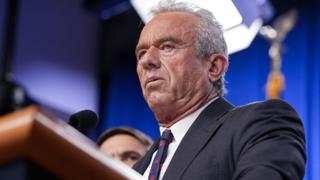
Senator Josh Hawley, R-Mo., has called on Major League Baseball (MLB) to explain its recent actions regarding players expressing their Christian beliefs. In a letter addressed to MLB Commissioner Rob Manfred, Hawley criticized the league for warning several San Francisco Giants players over Bible verses inscribed on their hats during a pride night event.
Explainer Christianity in American Culture: Faith, Conflict, and Freedom of Expression
The core issue revolves around allegations that MLB is discriminating against players who express their Christian faith while allowing other political and social messages. Hawley’s letter highlights a perceived inconsistency in the league’s policies regarding free expression.
The controversy began when Giants players inscribed variations of Genesis 9:12-16 on their caps, which reference God's covenant symbolized by a rainbow. Following backlash, MLB issued a statement asserting that the writing violated league rules and warned the players about future infractions.
Allegations of Discrimination
In his correspondence, Hawley referenced a recent incident involving a Washington Nationals executive who was dismissed after admitting the team discriminated against a Christian player. He stated, "MLB must answer for what appears to be a pattern of discrimination within MLB against baseball players who profess their Christian faith."
Hawley expressed skepticism about MLB's claim that it maintains a content-neutral policy. He argued that the league's actions suggest it promotes a particular political viewpoint while restricting religious expression. "MLB has said this is a content-neutral policy and that MLB ‘respect[s] players’ right to free expression.’ But this is dubious," he wrote.
The senator pointed out that MLB has previously allowed players to display progressive political slogans, such as those supporting Black Lives Matter, while enforcing strict rules against religious messages. "Yet when three players added a handful of characters citing the Book of Genesis to their caps, the league reached for its rulebook," Hawley noted.
Demands for Accountability
Hawley has requested that Manfred provide detailed information regarding the league's uniform regulations and any instances of warnings or fines related to the rule over the past five seasons. He also asked for documentation on policies governing pride night apparel and authorizations for political messaging on team uniforms.
In his letter, Hawley emphasized the importance of religious freedom, stating, "The freedom to live out one’s faith does not end at the ballpark gate. Americans of every creed are entitled to confidence that the institutions of our national pastime will not single out religious expression for punishment while celebrating messages of the league’s own choosing."
Florida Attorney General James Uthmeier has also announced plans to investigate MLB for potential religious discrimination practices within the state. Uthmeier's office aims to determine whether the league's actions violate the rights of players expressing their faith.
MLB's Response
As of now, MLB has not publicly responded to Hawley’s specific allegations or the inquiry from Uthmeier's office. The league's statement regarding the Giants players indicated that the writing on the caps was not in line with their established rules, but it did not address the broader concerns raised by Hawley.
Supporters of the league's policies argue that MLB must maintain consistent regulations to ensure uniformity and avoid favoritism. They contend that the league's guidelines are designed to create an inclusive environment for all players, regardless of their beliefs.
The ongoing debate highlights the tension between free expression and institutional policies within professional sports, particularly as leagues navigate complex social issues. As the situation develops, both MLB and its critics will likely continue to engage in discussions about the balance between personal beliefs and league regulations.