The U.S. Army has awarded contracts to five companies to build and operate nuclear microreactors at military installations across the country, including bases in Texas, North Carolina, Kentucky, Georgia, and New York. This initiative, part of the Army’s Janus Program, aims to provide military bases with a reliable and independent energy supply, reducing reliance on commercial electric grids and enhancing the operational readiness of U.S. forces.
Explainer Modern Military Challenges: Energy Innovation and Middle East Conflicts Explored
The decision to move forward with nuclear microreactors comes amid growing concerns about the vulnerability of military installations to power disruptions. Officials have cited the need for secure, resilient energy sources that can support critical operations even if external power is lost. The Army’s approach is designed to ensure that key bases remain operational in the event of grid failures, natural disasters, or other emergencies that could threaten national security.
Contract Awards and Program Details
The Army, working in coordination with the Department of War Innovation Unit, selected five vendors for the initial phase of the Janus Program. The companies and their assigned bases are:
- Antares Nuclear Inc. for Fort Bragg in North Carolina
- BWXT Advanced Technologies for Fort Campbell in Kentucky
- General Atomics Electromagnetic Systems for Fort Hood in Texas
- Radian Industries for Fort Benning in Georgia
- Westinghouse Government Services for Fort Drum in New York
Each company stands to receive a portion of up to $2.2 billion, contingent on meeting specific performance benchmarks. The contracts represent a significant investment in next-generation military infrastructure, with the potential for further expansion. The Army has indicated that the selected vendors may also deploy their nuclear technologies at additional service sites, though those locations have not yet been announced.
The Janus Program follows a year-long evaluation process, during which military installations were assessed based on energy needs, seismic activity, hydrological conditions, and other safety considerations. According to the Army, safety remains the primary focus of the program. The selection of vendors and sites reflects a careful balancing of operational requirements and environmental factors.
The program’s timeline was set by Executive Order No. 14299, signed by President Donald Trump during his second term. The order established a goal for the first Army-regulated nuclear reactor to be operational on a military installation by September 2028. The Army has described this as a critical step in ensuring that U.S. forces have access to reliable power, regardless of external circumstances.
Leadership Statements and Strategic Goals
Dan Driscoll, who has served as secretary of the Army since February 2025, emphasized the importance of the initiative. “Secure the power our warfighters need to train, deploy and win,” Driscoll said, summarizing the administration’s directive.
In a statement, Driscoll added, “Awarding these contracts accelerates our ability to deliver safe, reliable baseload power directly to our installations. We are building the energy resilience necessary to project combat power globally, without relying on potentially vulnerable external grids.”
Army officials have framed the Janus Program as a long-term investment in the nation’s defense infrastructure. The program is intended to “fortify the defense and strength of the nation now and for future generations,” according to an Army statement. By developing on-site nuclear energy capabilities, the Army hopes to ensure that its installations can support both current and future operational demands.
Fort Bragg’s Role and Broader Context
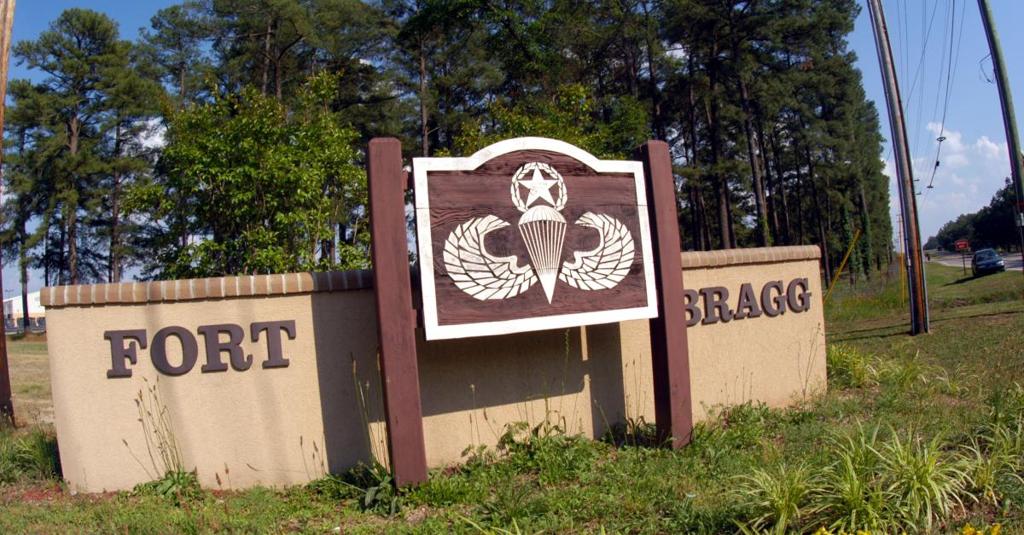
Fort Bragg, one of the largest military installations in the United States, plays a central role in the Army’s plans. The base is home to the U.S. Army Special Operations Command and the 82nd Airborne Division, supporting a community of about 260,000 people, including troops, civilians, and military families. Fort Bragg is widely regarded as a key hub for rapid military response and is often described as the likely recipient of a presidential emergency call for urgent defense or offense operations.
The decision to deploy a microreactor at Fort Bragg reflects the base’s strategic importance and the need for uninterrupted power to support critical missions. Army leaders have pointed to the base’s large population and operational tempo as factors that make energy resilience especially vital.
The broader push for on-site nuclear energy is part of ongoing efforts to modernize military infrastructure. Officials have noted that many military bases currently depend on external power grids, which can be susceptible to outages caused by weather, cyberattacks, or other threats. By investing in microreactors, the Army aims to reduce these vulnerabilities and ensure that installations remain mission-ready under all circumstances.
While the initial phase of the Janus Program covers five bases, the Army has indicated that additional installations may be included in future phases. Details about further locations and timelines have not yet been released. The Army continues to evaluate other sites based on energy requirements, safety considerations, and strategic priorities.
The Janus Program represents a significant shift in how the military approaches energy security. By partnering with industry leaders and investing in advanced nuclear technologies, the Army is seeking to build a more resilient and self-sufficient defense infrastructure for the years ahead.