The SAVE America Act: Defending Election Integrity with Strong Voter Eligibility Laws
Explore how the SAVE America Act aims to secure elections through citizenship proof and voter ID amid intense partisan battles and practical challenges.
Recent years have witnessed growing concerns across the United States regarding the integrity of the electoral process. From questions about voter eligibility to the security of voter rolls, election integrity remains a hot-button issue with strong political implications. In response, Republican lawmakers introduced the Safeguard American Voter Eligibility (SAVE) America Act, a sweeping proposal designed to tighten voting requirements nationwide by emphasizing proof of citizenship and voter identification. The legislation embodies a conservative strategy to restore confidence in elections and curb voter fraud, which proponents argue undermines the democratic system itself.
However, the SAVE America Act is more than a policy proposal; it represents a flashpoint in the ongoing battle between two competing visions of American democracy. Supporters emphasize national sovereignty, citizen accountability, and election security, while opponents warn that the bill imposes unnecessary barriers that will disenfranchise lawful voters, particularly marginalized communities. This explainer delves into the key provisions, political dynamics, controversies, and future prospects of the SAVE America Act, assessing the stakes for election integrity and the nation’s democratic future.
Origins and Key Provisions of the SAVE America Act
"Election integrity demands strict voter eligibility checks to protect democracy against fraud and outside manipulation."
The SAVE America Act was introduced in the U.S. Senate at the beginning of 2026, with the primary goal of standardizing and strengthening voter eligibility rules nationwide. The centerpiece of the legislation is its mandate requiring all individuals to provide proof of U.S. citizenship when registering to vote — a demand that current federal law does not uniformly enforce. This mandate seeks to address vulnerabilities within the current decentralized system where states vary widely in their requirements for verifying citizenship status at registration. Under the SAVE America Act, federal standards would supersede state laws in order to create uniformity and prevent inconsistent application of eligibility rules.
Adding to the citizenship proof mandate, the bill requires voters to present government-issued photo identification at the polls, closing loopholes that have allowed noncitizens and ineligible individuals to register and vote in some states. Voter ID has long been a core tenet of Republican election reform proposals, viewed as a commonsense safeguard akin to showing ID when driving or buying alcohol. The SAVE America Act specifies acceptable forms of IDs, including driver's licenses, passports, and certain tribal identification cards, while allowing state-issued alternatives that meet federal criteria.
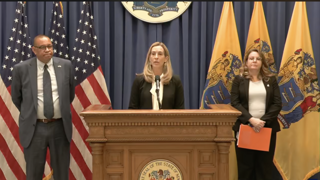
Proponents argue these requirements are necessary to prevent fraud and preserve the value of every legitimate vote. Supporters point to investigations and reports highlighting instances where noncitizens were found on voter rolls, such as recent disclosures in New Jersey, where thousands of noncitizen registrations and votes were admitted due to system flaws. In July 2026, New Jersey officials revealed that around 6,600 noncitizens were improperly registered — some of whom reportedly voted — a gap attributed to software errors and insufficient safeguards. Such cases underline the real-world risks the SAVE America Act aims to mitigate by tying voter registration to verifiable citizenship documentation and instituting strict voter ID checkpoints. For context, our coverage on New Jersey’s noncitizen registrations provides detailed insight into these documented failures.
The legislation also conditions federal funding of state election operations on compliance with these verification rules. This financial mechanism is designed to compel states, especially those with more lenient eligibility verification, to upgrade their election systems and enforce uniform standards. States failing to adhere to the SAVE America Act’s mandates risk losing critical federal election grants, which Republican proponents say is a necessary incentive given the fragmented nature of American election administration. States like California and New York have historically resisted similar voter ID mandates, prompting concerns about whether this approach could exacerbate partisan tensions on election governance.
However, some GOP-led states have taken matters into their own hands by adopting SAVE Act-style provisions independently, signaling the decentralized dynamics in electoral policy. These state-led initiatives reflect both the political will within Republican constituencies and a skepticism toward federal election authority—battles that highlight the ongoing tension between state sovereignty and federal oversight in election law. Our report on how states advance SAVE Act provisions illustrates this patchwork development and the implications for nationwide election consistency.
The Senate Battle: Partisan Divide and Legislative Hurdles
The SAVE America Act has faced a tumultuous journey in the Senate, spotlighting the deep partisan fractures that define contemporary election law debates. Despite robust support from Republican leaders and influential senators, including Sen. Ted Cruz and Sen. Mike Lee who see it as paramount for restoring electoral integrity, Democratic senators have uniformly opposed the bill. They argue that stringent documentation requirements disproportionately disenfranchise voters from minority, elderly, and low-income demographics, perpetuating systemic inequalities in access to the ballot box.
The Republican majority in the House passed legislation aligned with the SAVE America Act’s provisions, reflecting an aggressive GOP agenda on election reform. However, the Senate's more measured and often gridlocked environment has stymied the bill’s progress. The filibuster rule remains a critical barrier, requiring 60 votes to end debate and bring the bill to a final vote, a threshold Democrats have managed to uphold. This legislative stalemate reflects broader dysfunction in election reform efforts, as the chamber struggles to balance civil rights concerns with election security measures.
The political tensions within the Republican Party itself complicate the path forward. Senator Lisa Murkowski’s vocal opposition to the bill amid intra-party criticisms exemplifies the divergence between more moderate Republicans and the party’s base pushing for tougher election laws. Senate Majority Leader Thune has been criticized both for delays and perceived lack of urgency in advancing the bill, illustrating the leadership challenges in maintaining a cohesive GOP strategy. Moreover, insurgent conservative activists have called on senators to abolish or reform the filibuster to ensure passage, but such moves have not materialized due to fears of bipartisan blowback.
Despite this impasse, polling consistently shows that a majority of Americans, including surprisingly high percentages of Democratic Socialist-aligned voters, endorse basic voter ID requirements. Surveys tracked by our outlet indicate growing public skepticism about the prevalence of voter fraud and a preference for securing elections through verification. Nevertheless, Democrats insist that these laws impose unjustified burdens on voting rights. Our analysis on the Senate’s legislative struggles is featured in Senate fails to pass SAVE America Act, which charts the intricate political calculus shaping the bill’s fate.
Election Fraud Allegations and the Push for Voter Verification
Central to the SAVE America Act’s advocacy is the ongoing conservative concern that unauthorized voting by noncitizens and other ineligible individuals jeopardizes the legitimacy of the American electoral system. Evidence gathered in red and blue states alike points to tens of thousands of questionable voter registrations. For instance, Texas reportedly identified over 113,000 deceased or noncitizen voters registered on its rolls in recent years, prompting both federal and state audits. Additionally, Massachusetts charged an individual who was actually a Canadian citizen with voting fraud, highlighting real instances of improper voting activity beyond administrative errors.
Conservative officials and national security experts voice alarm over foreign threats targeting voter data. Former President Trump accused China of hacking over 220 million U.S. voter files and alleged officials concealed the severity of this cyberattack. Although these claims remain politically charged and contested, they underscore widespread fears that election infrastructure remains vulnerable to manipulation. As a result, election integrity advocates call for enhanced verification and security protocols as bulwarks against these threats. Our coverage on allegations of cyberattacks and their ramifications can be found in Trump alleges China hacked voter files.
Consequently, bipartisan efforts have led to audits, voter roll cleanups, and increased scrutiny of registration data in multiple states. While some Democrats attribute discrepancies to administrative errors rather than deliberate fraud, the conservative perspective prioritizes preventing any illegal voting before it occurs by tightening rules and access points. This preventive approach is foundational to the SAVE America Act, which seeks to reinforce the principle that election integrity is inseparable from voter eligibility enforcement.
The legislative push also coincides with momentum at state levels, where some have adopted or proposed SAVE Act-like reforms despite the Senate’s stalemate. These include updating databases, requiring improved ID standards, and expanding verification checks during registration and ballot casting. Such actions reflect a federalist strategy where safeguards can advance despite Congressional deadlock. The implications for the federal election system’s coherence and adaptability remain under scrutiny, as detailed in our article on state-level SAVE Act adoption.
The Impact on Voter Access and Minority Communities
Critics of the SAVE America Act emphasize that while guarding against voter fraud is important, the legislation’s stringent citizenship and voter ID requirements risk imposing de facto barriers for eligible voters, particularly minorities, senior citizens, and economically disadvantaged individuals. For many in these groups, obtaining government IDs or citizenship documents entails significant logistical, financial, or bureaucratic hurdles. For example, rural residents without easy access to DMV offices or seniors who do not drive might face disproportionate challenges. This potential disenfranchisement has raised alarms among voting rights advocates who label the SAVE America Act as a modern iteration of voter suppression tactics that have historically targeted marginalized constituencies.
Opponents warn that these measures could depress turnout in critical swing districts and exacerbate partisan divisions, as minority groups tend to lean Democratic. The historical context of voter ID laws shows mixed results, with some studies suggesting modest turnout declines among minorities following their implementation. Democrats argue that policies purportedly aimed at election security often function as tools to reshape the electorate in favor of one party.
Conversely, Republicans maintain that these measures are not designed to exclude legitimate voters but to enhance the democratic process by ensuring that every vote cast is lawful and precisely accounted for. Supporters contend that presenting ID is a reasonable verification mechanism that carries precedent in numerous facets of daily life and serves as a rightful defense of the franchise. They argue that federal funding incentives and administrative flexibility within the SAVE America Act strike a balance by encouraging compliance without outright denying access.
Broader polling supports claims that voter ID laws enjoy majority support across the political spectrum, though attitudes differ in intensity and rationale. House GOP efforts to link federal election funding to such requirements reflect a strategic push to institutionalize these safeguards despite Senate opposition. Our examination of the House GOP’s bill tying voter ID to funding highlights how this dynamic plays out in legislative strategy and public discourse.
Looking Ahead: The Future of Election Integrity Legislation
The path forward for the SAVE America Act remains uncertain and emblematic of the broader fissures defining American politics on election issues. Republican enthusiasm contrasts with entrenched Senate opposition and intra-party disagreements, leaving the bill in limbo despite clear public support for certain provisions. GOP strategists have criticized the party’s failure to effectively mobilize ahead of critical midterm elections, limiting leverage to advance the bill. Meanwhile, Democratic opposition remains firm, and activists signal readiness to challenge the law judicially if enacted.
Continuing investigations and voter roll audits at the state level maintain pressure for some form of reform, keeping election security at the forefront of public debate. Vice President Vance’s vocal rebuke of Senate delays reflects the high stakes and political capital invested in the bill’s success. At the same time, the discord within the GOP exemplifies the complex political calculations and ideological divides surrounding election reforms.
Passing the SAVE America Act or similar legislation will shift the landscape of voter access, election administration, and public confidence in voting mechanisms. The legislation also reignites core questions about federalism and the proper balance between state autonomy and federal oversight in election governance—an ongoing debate rooted deeply in American constitutional tradition.
For detailed reports on the bill’s current political status and prominent proponents’ calls for action, readers can explore our pieces on Sen. Cruz’s push for the bill and the Senate Majority Leader’s challenges.
Frequently asked questions
What is the main purpose of the SAVE America Act?
The act aims to enhance election security by requiring proof of U.S. citizenship for voter registration and photo ID at voting.
Why do some oppose the SAVE America Act?
Opponents argue it could disenfranchise eligible voters who lack required documentation, disproportionately affecting minorities and disadvantaged groups.
Has the SAVE America Act become law?
No, as of now the bill has not passed the Senate and remains blocked despite House approval and GOP support.
How does the act propose to enforce its requirements on states?
It would condition federal election funding on states’ adherence to citizenship verification and voter ID standards.
Are concerns about voter fraud justified?
Numerous documented cases of noncitizens and ineligible individuals on voter rolls fuel these concerns, though the scope remains debated.
Will the act affect all voters equally?
While intended to secure elections, the act’s requirements could disproportionately impact voters who have difficulty obtaining IDs or citizenship documents.
What have Republicans done to advance the SAVE America Act?
Republican senators and the House GOP have pushed the bill and related provisions, with figures like Sen. Cruz urging quick passage.
Is there bipartisan support for the act?
Currently, no significant bipartisan backing exists; Democrats largely oppose the law due to concerns over voter suppression.
Timeline of our coverage
- 2026-08-08 — Senate Fails to Pass SAVE America Act, Adjourns Until September
- 2026-08-08 — States Advance SAVE Act Provisions as Senate Stalls on Election Law
- 2026-08-03 — Majority of DSA-Aligned Voters Back Key SAVE America Act Provision, Poll Shows
- 2026-08-03 — New Jersey Admits Thousands of Noncitizens Registered, Hundreds Voted Amid System Flaws
- 2026-07-30 — Cruz Urges GOP to Pass SAVE America Act, Citing Voter Roll Concerns
- 2026-07-30 — Gallup Poll: Majority of Americans Concerned About Ineligible Voters as Senate Blocks Voter ID Bill
- 2026-07-29 — Polls Show Broad Support for Voter ID as SAVE America Act Remains Blocked in Senate
- 2026-07-25 — VP Vance’s Outreach Helped Pass Iran War Funding, Voter ID Bill in House
- 2026-07-23 — New Jersey Admits 6,600 Noncitizens Improperly Registered to Vote, Blames Software Error
- 2026-07-22 — New Jersey Faces Scrutiny After Noncitizens Found on Voter Rolls
- 2026-07-21 — New Jersey Finds 6,600 Noncitizens on Voter Rolls Amid DOJ Scrutiny
- 2026-07-21 — Murkowski Faces GOP Backlash Over Opposition to SAVE America Act
- 2026-07-20 — House GOP Pushes SAVE America Act Provisions in Final Pre-Recess Bills
- 2026-07-17 — DHS Flags Over 113,000 Deceased and Noncitizen Voters on Texas Rolls
- 2026-07-17 — Trump Alleges China Hacked 220 Million U.S. Voter Files, Accuses Officials of Concealing Evidence
- 2026-07-15 — Vice President Vance Criticizes Senate Over SAVE Act Delay on Joe Rogan Podcast
- 2026-07-13 — House GOP Advances Bills to Tie Voter ID, Citizenship Proof to Federal Funding
- 2026-07-12 — Sen. Lee Urges Senate to Pass SAVE America Act in Honor of Lindsey Graham
- 2026-07-10 — Trump Allies Accuse Thune of Blocking SAVE America Act From Defense Bill
- 2026-05-21 — Canadian Citizen Charged with Voting Fraud in Massachusetts
The Bottom Line
- Election integrity is foundational to national sovereignty and democratic legitimacy.
- Increased voter verification prevents fraud that undermines trust in elections.
- Legislation like the SAVE America Act sparks vital debate over balancing security and voter access.
- Federal incentives can pressure states to maintain accurate and secure voter rolls.