Arizona voters will head to the polls on Nov. 3 to decide whether to expand state law restricting participation in female sports to those classified as biological females at birth. Proposition 318, the measure on the ballot, would broaden existing requirements for public and private schools and extend them to all athletic associations sponsoring interscholastic or intramural sports. If approved, the proposition would mandate that teams be classified by biological sex as recorded on original birth certificates, not gender identity.
Explainer Understanding the Supreme Court’s Impact on Law and Liberty
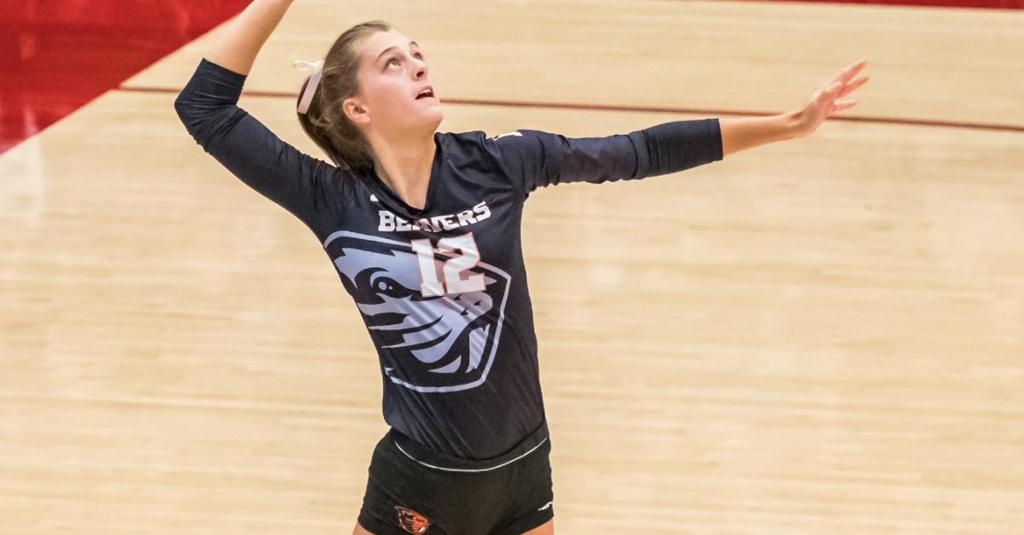
The central debate over Proposition 318 focuses on whether to further restrict transgender athletes from competing in female sports and using associated facilities. Supporters of the measure argue that it is necessary to ensure fairness in competition and protect the privacy of female athletes. Opponents, on the other hand, contend that the measure discriminates against transgender individuals and excludes them from opportunities to participate in sports consistent with their gender identity.
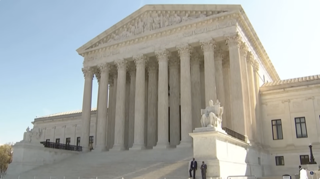
This upcoming vote in Arizona follows a recent U.S. Supreme Court decision that upheld state laws in West Virginia and Idaho barring biological males from participating in female sports. The Court ruled that such laws do not violate Title IX, which prohibits sex-based discrimination in federally funded education programs, or the Equal Protection Clause of the 14th Amendment. Arizona is currently one of 27 states with similar restrictions in place, reflecting a broader national debate over the participation of transgender athletes in school sports.
What Proposition 318 Would Change
If passed, Proposition 318 would extend current legal requirements beyond just schools to include all athletic associations that sponsor interscholastic or intramural sports. This means that not only public and private schools, but also any organization overseeing school sports, would be required to classify teams strictly by biological sex as listed on original birth certificates.
The measure would also prohibit schools and athletic associations from allowing biological males to use female athletes' locker rooms, bathrooms, or other private spaces considered integral to athletic engagement. This provision is aimed at addressing privacy concerns raised by some parents, athletes, and advocacy groups.
Additionally, Proposition 318 would prevent government entities, licensing organizations, and athletic associations from taking adverse action against associations that enforce these restrictions. This could include protection from lawsuits or penalties for organizations that comply with the new rules.
The measure would also broaden the right to sue over lost athletic opportunity or retaliation. Under the proposed law, athletes would be able to bring lawsuits not only against schools but also against athletic associations if they believe they have lost out on opportunities or faced retaliation due to enforcement of the rules. The bill defines an athlete as any individual, including a student, who participates in any interscholastic or intramural athletic team or sport, expanding the scope of who could be affected by the law.
Supporters and Legal Context
Senate President Warren Petersen, R-Gilbert, who is currently running for state attorney general, has voiced strong support for Proposition 318. Petersen stated that the measure is necessary to keep biological males out of female sports and private spaces. He told The Center Square he “completely supports protecting girls' sports and their privacy.”
Daniel Schmid, associate vice president of legal affairs with Liberty Counsel, described the measure as a “commonsense” step that recognizes biological and chromosomal reality. Schmid argued that allowing transgender athletes in women’s sports undermines protections for women and the intent of Title IX, which was originally enacted to ensure equal opportunities for female athletes.
"Recognition of a male as a female when his biology is different also comes with a number of circumstances, such as use of the locker room, the changing room and the shower. There are a great many women who find that a gross intrusion into their privacy, and they should."
— Daniel Schmid, associate vice president of legal affairs, Liberty Counsel
Schmid further stated that the issue is about more than athletic competition, highlighting broader cultural implications and privacy concerns for women. Supporters argue that without such measures, the integrity of female sports and the privacy of female athletes could be compromised.
Opposition and Recent Supreme Court Ruling
The Center Square reported reaching out to several organizations opposed to Proposition 318, but none responded before publication. Despite the lack of direct comment from opposition groups, critics of similar measures nationwide have argued that such laws unfairly target transgender youth and could lead to increased discrimination and exclusion.
The legal landscape for such measures has been shaped by a recent Supreme Court decision. In a single opinion covering both West Virginia v. B.P.J. and Little v. Hecox, the Court upheld both states’ laws restricting biological males from female sports. The justices found that West Virginia’s law did not violate Title IX and that neither state’s law infringed on the plaintiffs’ rights under the 14th Amendment’s Equal Protection Clause, as detailed in the official opinion.
Proposition 318’s outcome will determine whether Arizona’s restrictions are expanded to cover all athletic associations and facilities. The measure’s passage would align Arizona’s policy more closely with the recent Supreme Court decision and with similar laws in other states. As the November vote approaches, the debate over fairness, privacy, and inclusion in school sports is likely to intensify, with Arizona voters ultimately deciding the future direction of state policy on this contentious issue.