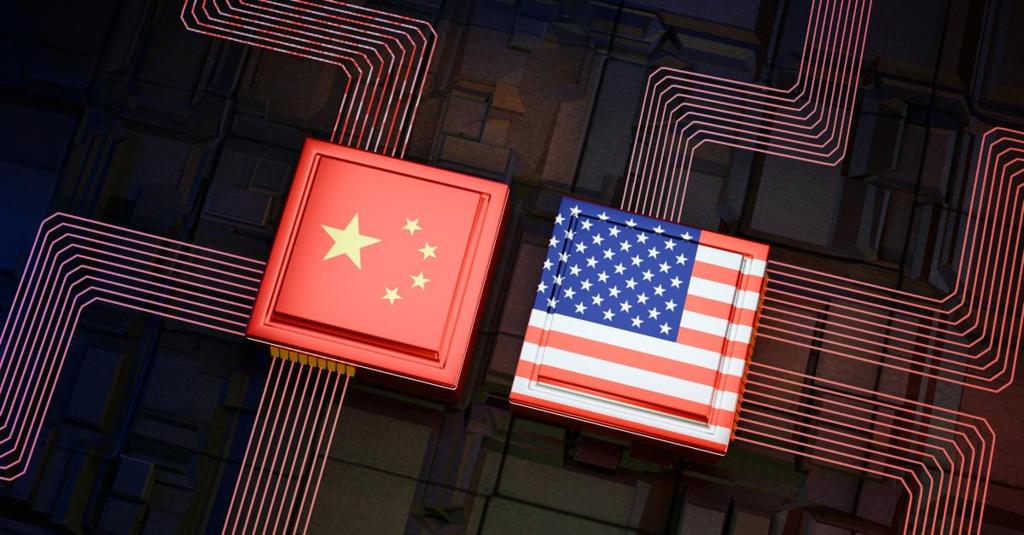
Lawmakers from both parties are advancing legislation to ban Chinese-made vehicles and electronic components from cars sold in the United States, citing growing concerns that foreign adversaries could use such technology to spy on Americans.
Explainer Understanding China’s Strategic Role in Global Politics and U.S. Relations
The push reflects bipartisan anxiety over the potential for Chinese firms to collect sensitive data from U.S. drivers and infrastructure, with Congress seeking to restrict the import, sale, and use of connected vehicle technology linked to China.
The move comes as evidence mounts that Chinese-made consumer electronics—including baby monitors and components in British military drones—can be repurposed for espionage. The American Enterprise Institute has warned that China's expansion in the connected vehicle industry could give automakers access to streams of behavioral, geographic, and infrastructural data from foreign markets.
Details of the Proposed Legislation
The Connected Vehicle Security Act, introduced in the Senate by Sen. Bernie Moreno, R-Ohio, and cosponsored in the House by Rep. Warren Davidson, R-Ohio, would prohibit the importation, manufacture, sale, resale, or introduction into interstate commerce of connected vehicles and related software or hardware associated with foreign adversaries. The bill's language covers GPS systems, entertainment devices, and any Chinese-made vehicles, according to the official text.
Rep. Davidson said the legislation is designed to ensure Americans retain control over the data generated by their vehicles. "First and foremost, no one should spy on you in your car. You should be able to control every signal coming in or going out of your car," Davidson told Just the News. He added, "The data that you're creating in it is really your data. You should have a property right in that."
"By building on and strengthening the existing connected vehicles rule, this legislation puts common sense guardrails on a major threat to our nation’s auto industry."
— Shawn Fain, UAW President
The bill has drawn support from across the political spectrum, including liberal senators such as Elissa Slotkin, and has been endorsed by the United Autoworkers Union (UAW), which represents nearly 400,000 active members and over 580,000 retirees. UAW President Shawn Fain said the measure is crucial for national and economic security, arguing that offshoring and outsourcing threaten U.S. manufacturing and working-class standards.
Security Concerns and Global Context
Congress's action follows reports that Britain's Ministry of Defense discovered a component in its military drones was secretly transmitting data to China, and that Missouri Attorney General Catherine Hanaway has sued Lorex, a baby monitor manufacturer, for allegedly concealing ties to the Chinese Communist Party and military. Lorex disputes the allegations and has contested similar actions in court.
Former Homeland Security Secretary Chad Wolf wrote in a recent Fox News opinion piece that embedding data-gathering technology in consumer products is central to China's espionage strategy. Wolf argued that China uses intellectual property theft, cyberespionage, and industrial policy to become indispensable to Western supply chains, then exploits that access for intelligence collection and to create vulnerabilities.
Rep. Davidson also criticized China's trade practices, stating that the country sells products below cost to dominate markets and undermine competitors, in violation of commitments made upon joining the World Trade Organization. "No one recognizes them as a market economy because they're not. They sell things below cost... and they very strategically wreck whole sectors of our economy," Davidson said.
Industry and Political Response
The legislation has united lawmakers and labor leaders who are typically divided on trade and technology issues. Supporters argue the bill will strengthen existing rules on connected vehicles and protect the U.S. auto industry from foreign interference. The UAW's endorsement signals organized labor's alignment with national security concerns over Chinese technology in American vehicles.
While critics of Chinese trade and technology practices have been vocal, Chinese officials and companies named in the legislation have not publicly responded to the latest congressional efforts. Lorex, the company facing legal action in Missouri, continues to deny any wrongdoing and is fighting the allegations in court.
The Connected Vehicle Security Act and its companion bills are now under consideration in both chambers, with bipartisan support and backing from major industry stakeholders.