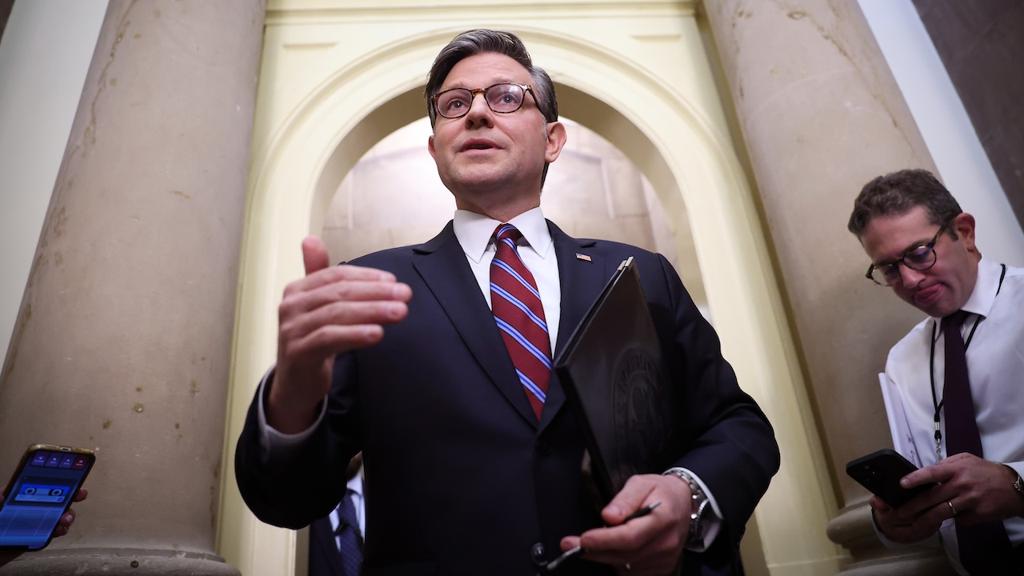
Speaker Mike Johnson, R-La., abruptly closed the House of Representatives on Wednesday, moving up the start of a scheduled seven-week recess and triggering frustration among both Republican and Democratic lawmakers.
Explainer Health Care Realities: Cost, Ethics, and Reform Challenges in America
The decision to adjourn early has intensified tensions in the chamber, as members from both parties argue that critical legislative work remains unfinished. The House was originally set to begin its recess on Thursday, but Johnson canceled Thursday's votes, prompting leadership staff to reschedule several measures—including votes to overturn certain EPA regulations—for Wednesday instead. The early closure also delayed action on a potential impeachment proceeding against Secretary of War Pete Hegseth, which Johnson dismissed as a “publicity stunt” introduced by Rep. Thomas Massie, R-Ky. Johnson told reporters, “It will immediately be tabled, of course, but we probably won’t do that today. We’ll probably do it when we come back. But it’s a stunt. Secretary Hegseth has done an extraordinary job.”
Lawmakers React to Early Closure
The decision drew sharp criticism from members of Johnson’s own party. Rep. Chip Roy, R-Texas, a member of the House Freedom Caucus, called it “a shame” that the House was leaving Washington with significant work left undone. Roy argued that Republicans should remain in session to advance legislation on border security, immigration, and surveillance issues.
"House Republicans have accomplished a great deal, but we should stay here and finish the job. That means codifying President [Donald] Trump’s border policies, pausing immigration, standing firmly against Sharia law, and pushing back against the growing surveillance state, among other things."
— Rep. Chip Roy, R-Texas
Rep. Ralph Norman, R-S.C., also a member of the Freedom Caucus, condemned the cancellation on X, stating that the House has now canceled at least 63 scheduled voting days this Congress, including nine days this month. Norman criticized House leadership for prioritizing campaigning over legislative duties, saying this was not what the Founders intended.
Other Republicans echoed these concerns, emphasizing that the early adjournment left important legislative priorities unresolved. Some argued that the move could undermine the party’s ability to deliver on promises made to constituents, particularly on issues related to border security and government oversight.
Democrats Push for Continued Work
House Minority Leader Hakeem Jeffries told reporters before Johnson’s announcement that he opposed closing the House early. Jeffries said he wanted lawmakers to remain in Washington to reach bipartisan agreements on issues such as Russia sanctions and artificial intelligence regulations. He emphasized that leaving early would delay progress on these and other pressing matters that require bipartisan cooperation.
Several other Democratic lawmakers also voiced frustration, arguing that the early adjournment would stall negotiations on key policy areas. They pointed to the need for continued work on national security, technology regulation, and environmental protections, all of which they said should not be postponed until after the recess.
Delayed Legislative Priorities
The early adjournment means that votes on several Republican-backed measures—including efforts to repeal the federal gas tax and codify the president’s border mandates—will be postponed until after the recess. Some conservatives argue that the move undermines their ability to advance key legislative priorities before the break. The delay also affects bipartisan initiatives, as lawmakers from both parties had hoped to finalize agreements on sanctions and technology policy before leaving Washington.
Johnson has not directly addressed criticism from members of his own party or from Democrats regarding the decision to close early. The House is now set to reconvene after the scheduled recess, with several postponed measures expected to be revisited at that time.
The early closure of the House highlights ongoing divisions within the chamber, as lawmakers continue to debate the best approach to fulfilling their legislative responsibilities. With both parties expressing dissatisfaction, the decision is likely to remain a point of contention when Congress returns to session.