The U.S. House of Representatives is weighing whether to accept a Senate-passed funding bill that would delay the Biden administration’s new rules for federal grants and contracts. This move could postpone efforts by the White House to tighten oversight of federal spending, as lawmakers debate the future of the proposed regulations.
At the heart of the debate is whether to temporarily block the White House Office of Management and Budget (OMB) from implementing new rules that would give federal agencies expanded authority to cancel grants they consider wasteful or inconsistent with agency priorities. The OMB’s proposed regulation, published in May, would revise the Uniform Guidance for federal financial assistance. Under the changes, agencies could suspend or terminate grants and contracts "at any time" if they determine the funding no longer advances agency priorities or the national interest, as detailed in the Federal Register notice. The rules specifically reference concerns about federal support for diversity, equity, and inclusion initiatives, "anti-American ideologies," and "AI-powered social media censorship tools."
Senate Bill and House Response
On August 8, the Senate passed a funding bill that would keep the government operating through December 11. The bill includes a provision that explicitly bars the OMB from implementing the new grantmaking rules during that period, according to the Senate Appropriations Committee summary. In contrast, the House approved its own funding measure on July 21, which would fund the government through December 4 but does not address the OMB regulation.
The two chambers must now reconcile their differences. The fate of the OMB rule depends on whether the House agrees to the Senate’s delay provision. If the language is included in the final package, the OMB would be prevented from moving forward with its planned overhaul of federal grant oversight until at least December 11. If the provision is dropped during negotiations, the OMB could proceed with implementing the new rules as soon as the funding bill is enacted.
Criticism and Support for the Rule
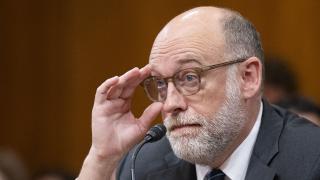
Sen. Susan Collins, R-Maine, chair of the Senate Appropriations Committee, has led opposition to the OMB proposal. In a July letter to OMB Director Russ Vought, Collins urged the agency to withdraw parts of the rule and extend the public comment period. She warned that the changes could "harm small and rural communities, undermine scientific and biomedical research, and conflict with Congress’ control over the federal funding process," according to a committee news release.
"While I agree these principles should guide the administration and oversight of federal funds, the rule would impose new, burdensome requirements on award recipients that would harm small and rural communities, undermine scientific and biomedical research, and conflict with Congress’ control over the federal funding process."
— Sen. Susan Collins, Senate Appropriations Committee Chair
Supporters of the OMB’s proposed rule argue that the changes are needed to "improve transparency, accountability, and oversight" for federal contracts and grants. The agency maintains that the revised rules would help prevent "wasteful spending" and ensure that federal dollars are used as intended.
Ongoing Debate and Next Steps
The Department of Government Efficiency (DOGE) has previously targeted grant funding for activities it deemed wasteful, but courts have blocked the cancellation of some grants under the current Uniform Guidance rules. The OMB’s proposed changes are intended to address these legal challenges by clarifying agency authority to suspend or terminate funding.
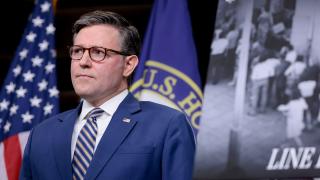
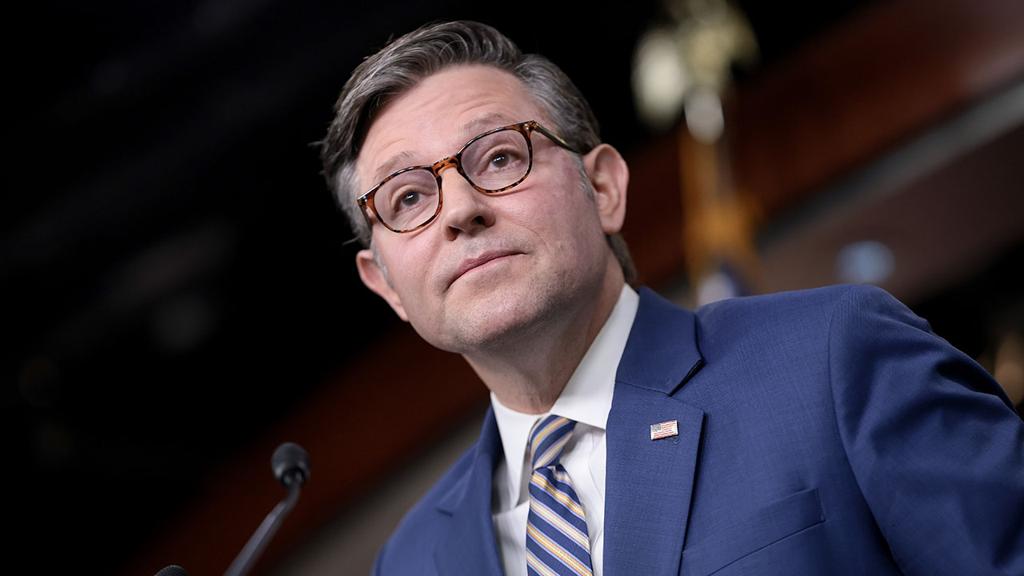
The public comment period for the OMB rule closed on July 13. Sen. Collins and other critics have called for an extension of the comment period, but the agency has not announced any changes to the timeline. The offices of House Speaker Mike Johnson and Sen. Collins did not respond to requests for comment on the ongoing negotiations.
The House and Senate must now resolve whether to include the delay of the OMB rule in the final government funding package. If the Senate’s provision is adopted, implementation of the new grantmaking rules would be postponed until at least December 11. If not, the OMB could move forward with its regulatory overhaul as planned. The outcome will determine how quickly federal agencies can exercise expanded authority over grant oversight and whether the Biden administration’s proposed changes will take effect this year.