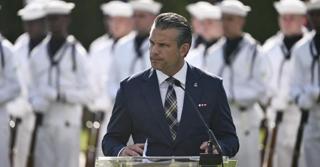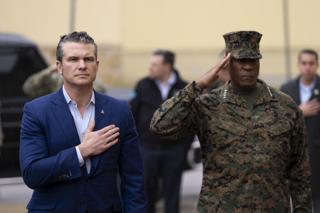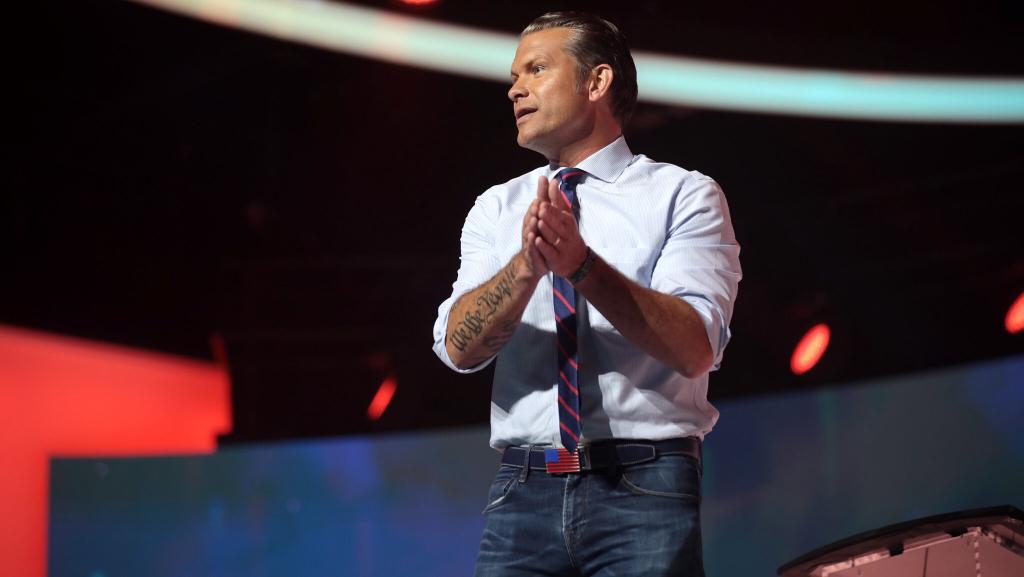
Several senior military officers have publicly criticized Secretary of War Pete Hegseth, claiming his leadership has led to a significant loss of trust within the armed forces. The criticisms surfaced following Hegseth's speech at Marine Corps Base Quantico in late September, which some officers described as unprofessional and detrimental to military morale.
According to a report by The Washington Times, anonymous generals and other military officials expressed their discontent with Hegseth's approach, stating that his public remarks and personnel decisions have resulted in an unprecedented exodus of talent from the Pentagon. One Army general quoted in the article remarked, "It was a massive waste of time... If he ever had us, he lost us."
The officers' comments highlight a growing concern regarding Hegseth's focus on reversing policies from previous administrations, which they believe distracts from more pressing military issues. They argue that his leadership style reflects a lack of understanding of the complexities involved in military operations.
"The theater of it all is below our institution," one senior officer stated, criticizing Hegseth's public displays of leadership. The officers also noted that Hegseth's emphasis on fitness and grooming standards, typically not addressed at the secretary's level, indicates a misunderstanding of military priorities.
The criticisms raise questions about the adherence to military protocol among the officers involved. By voicing their dissent anonymously, they risk violating the Uniform Code of Military Justice, which prohibits contemptuous remarks against superior officers. Article 88 of the UCMJ states that any commissioned officer who uses contemptuous words against senior officials may face court-martial.
Hegseth's leadership has been characterized by some as a departure from traditional military norms, with reports indicating a chaotic environment within the Pentagon. Officers have described a level of turnover among high-ranking personnel not seen in recent history, suggesting that Hegseth's tenure may be contributing to instability within the ranks.
The Secretary of War has several options to address these criticisms, including issuing reprimands or initiating investigations into the conduct of the officers involved. Military analysts suggest that Hegseth's response will be crucial in determining the future dynamics of leadership within the Department of Defense.
As the situation develops, the implications of these criticisms could extend beyond individual careers, potentially affecting military cohesion and operational effectiveness. The ongoing dialogue about leadership and accountability in the armed forces underscores the challenges faced by military officials in navigating complex political and organizational landscapes.