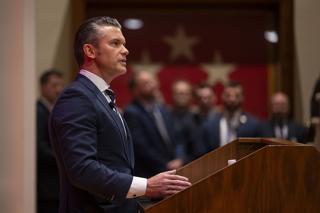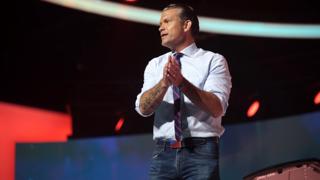
Retired Army Chaplain Brad Lewis expressed strong support this week for Secretary of War Pete Hegseth’s directive to refocus the Chaplain Corps on religious ministry. Hegseth criticized the current state of the Chaplain Corps, claiming it has been "degraded" in recent decades, citing the 2025 Army Spiritual Fitness Guide, which mentions "God" only once while referring to "playfulness" nine times in its 112 pages.
Explainer Christianity and Sports: Navigating Faith in Public Life
The core tension lies in the ongoing debate over the role of religion in the military, with many chaplains feeling that their religious identities are being sidelined in favor of a more secular approach. Hegseth's directive aims to reassert the importance of faith in military life, a move that has garnered both support and criticism.
The Chaplain Corps, established by George Washington in 1775, was intended to serve as the "spiritual and moral backbone" of the military. However, many chaplains now report feeling pressured to adopt a more secular stance, often acting as therapists rather than spiritual leaders. A current chaplain recounted being reprimanded for concluding a memorial prayer with "In Jesus’ name," highlighting the discomfort some feel in openly expressing their faith.
Key Details
Lewis described his emotional reaction to Hegseth's announcement, stating, "I felt like I was vindicated. So I was just kind of going, ‘Well, praise the Lord. At last.’" He noted that many retired senior chaplains shared his enthusiasm, reflecting a broader desire among military chaplains to return to their religious roots.
Background and Reactions
The shift towards secularism has raised concerns among chaplains about the impact on service members. Lewis emphasized that when chaplains are unable to express their faith, it can create a disconnect with the troops. He recalled a Muslim chaplain who refrained from mentioning "Allah" in prayers, which left soldiers feeling less secure in their own faith.
Hegseth's directive follows a long history of military chaplains openly practicing their faith, including notable instances like General George Patton's request for prayer during adverse weather conditions in 1944. Lewis pointed out that the military has historically recognized the importance of faith, stating, "When you start to adopt a spiritual footing, instead of a religious footing, the chaplain becomes a psychologist."
Critics, including the American Humanist Association, have voiced concerns over Hegseth's directive, arguing that it infringes on individual beliefs and the principle of religious pluralism in the military. They contend that Hegseth "has no right to tell anyone what to believe or how to pray." However, supporters argue that the directive is a necessary step to restore the Chaplain Corps' original mission.
Lewis articulated the need for chaplains to offer hope through faith, especially in combat situations. He stated, "When the chaplain brings God to the fight, he brings something bigger for the soldier to hold on to." He emphasized that soldiers facing the realities of combat often seek comfort in a higher power, which can provide them with strength during difficult times.
As the military grapples with the balance between secular and religious roles, the future of the Chaplain Corps remains uncertain. Hegseth's directive has reignited discussions about the importance of faith in military life, with many chaplains hopeful for a return to a more religiously focused ministry. While some critics have raised concerns about the implications of this shift, supporters believe it is essential for the well-being of service members.