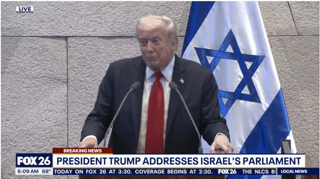
President Trump announced plans to import beef from Argentina to reduce prices for American consumers, a move that has sparked significant concern among U.S. ranchers. At a recent press conference, Trump stated, "The only price we have that’s high is beef, and we’ll get that down. One of the things we’re thinking about doing is beef from Argentina."
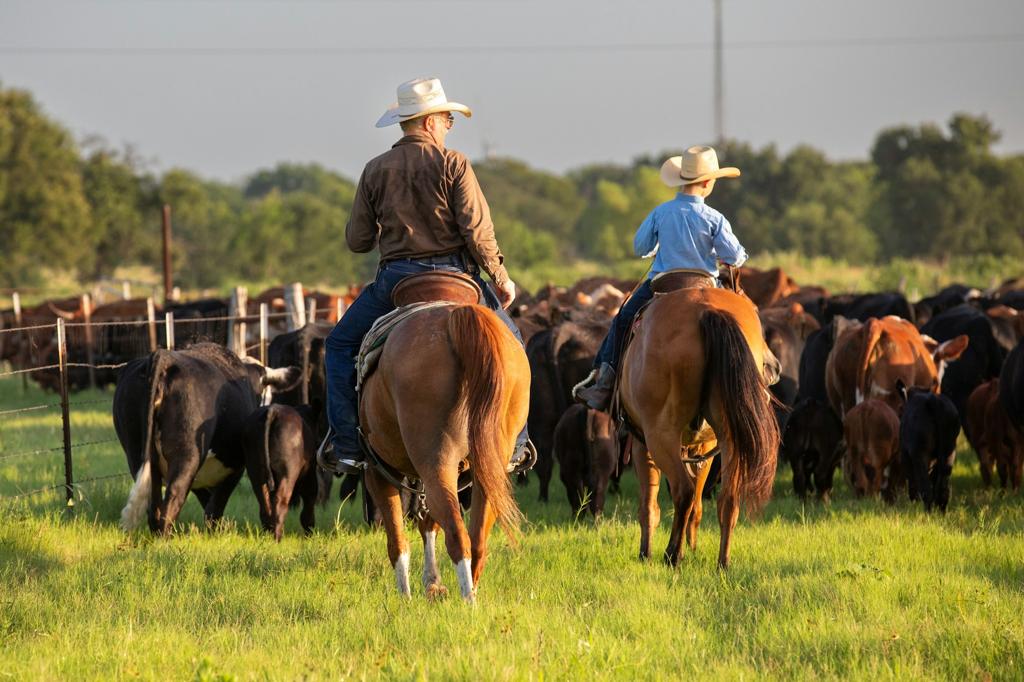
Ranchers fear that this plan could undermine their livelihoods. Oregon rancher James Burke expressed frustration, saying, "America first? The independent rancher is always dead freakin last!" South Dakota rancher Amanda Radke added, "Ranchers don’t need market manipulation where the government picks winners and losers in agriculture; they need free and fair markets."
Trump's remarks have raised alarms among cattle producers, who suspect that the proposed imports could disrupt a market that has recently seen improved conditions. James Decker, mayor of Stamford, Texas, noted, "Unless the ‘deal’ is to break up the cartel of beef packers, the outcome is going to screw American ranchers who are actually making money for the first time in a while."
The U.S. cattle industry has been recovering from years of tight margins, aided by increased consumer demand and restrictions on cattle imports from Mexico due to disease concerns. Radke highlighted that beef consumption has reached a 40-year peak, reminiscent of levels from the 1980s.
Despite this positive trend, ranchers are wary of government intervention in pricing. John Rodgers, co-founder of Western Video Market, recalled past government actions that negatively impacted the cattle market, stating, "Lyndon Johnson devastated the cattle market in 1964 by making note of the fact that beef prices were too high."
Brett Kenzy, a South Dakota cattle rancher, emphasized the unpredictability of D.C. politics, saying, "D.C. politics, with no regard for domestic producers and consumers that can change business dynamics overnight, are impossible to plan for."
The U.S. cattle herd is currently at its smallest size since 1951, and ranchers are facing rising input costs. Burke pointed out that while beef prices have remained stable, costs for land and equipment have surged. He remarked, "A $70,000 pickup ain’t high? A $150,000 utility tractor ain’t high?"
Many ranchers argue that the perception of high beef prices is misleading, given the quality and nutritional value of American beef. Justin Tupper, president of the U.S. Cattlemen’s Association, stated, "A hamburger full of high-quality protein and nutrients for $6 is an incredible deal."
Ranchers are calling for mandatory country of origin labeling (MCOOL) to ensure transparency in the market. Arizona rancher Casey Murph said, "I don’t really care if Argentina imports beef, as long as it’s clearly labeled."
As ranchers express their concerns, some warn that flooding the market with cheap foreign beef could alienate Trump from his base in rural America. Burke cautioned, "Quite a few plywood Trump signs in flyover country might get turned over and used to patch up the loading chute."
The debate over beef imports highlights the ongoing tensions between consumer prices and the viability of American ranchers, as they seek to navigate a challenging market landscape.