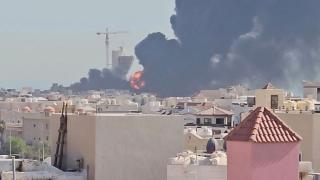
Sgt. Declan J. Coady, a 20-year-old soldier from West Des Moines, Iowa, was tragically killed in Kuwait following an unmanned aircraft system attack. This incident marks a significant loss in the ongoing U.S. military operations in Iran, underscoring the risks faced by service members in conflict zones. Coady was part of the Des Moines-based 103rd Sustainment Command and was notably the youngest member of the Army support team to die on the opening day of Operation Epic Fury, a joint military effort involving the U.S. and Israel.
The death of Coady, alongside five other soldiers, raises critical questions about the objectives and potential casualties of the military campaign. As the U.S. escalates its involvement in Iran, concerns are mounting over the clarity of the mission and the inherent risks faced by service members deployed in the region. Coady, who joined the Army Reserve in 2023, served as an Information Technology Specialist. He succumbed to injuries sustained in the attack while being transported to the hospital after the incident at Shuaiba port in Kuwait. His family has described him as a “rock” and “the most amazing brother and son.” His sister, Keira Coady, expressed her deep regret in a heartfelt statement, saying, “I wish that I had been able to be there or trade places with him... so he could have known he was safe.”
Escalating Military Operations
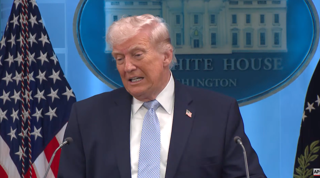
President Donald Trump and Secretary of War Pete Hegseth have indicated that the military operations in Iran are likely to continue and escalate in the near future. Hegseth stated, “As President Trump said, more and larger waves are coming. We are just getting started.” This statement follows the initial success of the campaign, which included the controversial killing of Iran's Supreme Leader, Ayatollah Ali Khamenei. However, the messaging surrounding the military objectives has been inconsistent and at times confusing. Critics have pointed out that administration officials have not clearly articulated whether the goals are regime change, nuclear disarmament, or support for Israel. This lack of clarity has led to confusion and concern among military families and the public at large.
Impact on Military Families
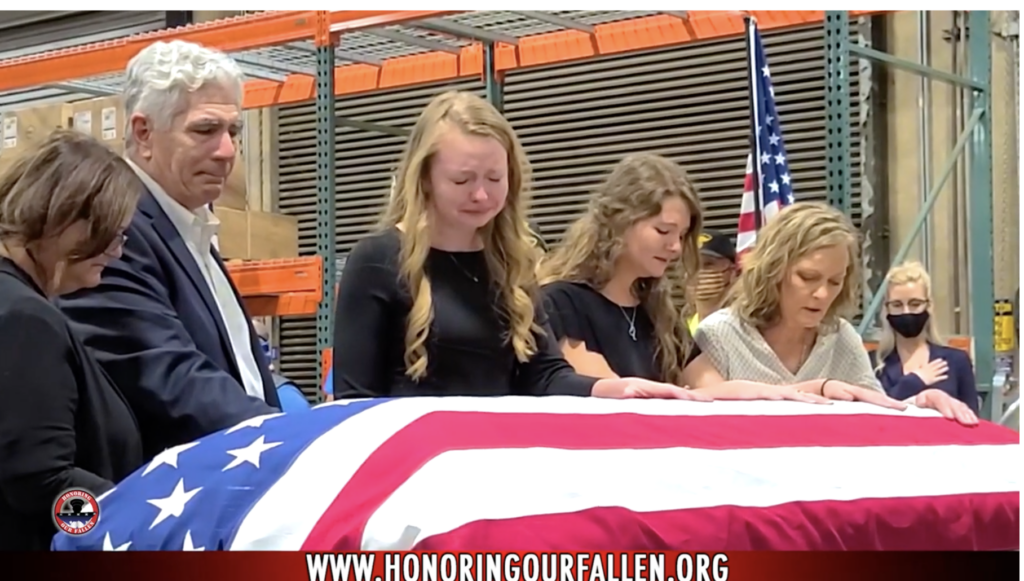
The families of the fallen soldiers are grappling with their grief amid the uncertainty of the ongoing conflict. Keira Coady reflected on the emotional toll of losing her brother, emphasizing the profound impact on their family dynamics. “He was supposed to be 21 on May 5. He was just a baby,” she said, highlighting the tragic loss of a young life cut short. Military analysts have noted that the risks of further casualties are high as U.S. forces remain engaged in a complex and dangerous environment. The Pentagon has reported that the operations are still in their early stages, with Hegseth claiming, “We are only four days into this, and the results have been incredible — historic, really.” However, the potential for a prolonged conflict raises serious concerns about the long-term implications for U.S. military involvement in the region and the safety of its personnel.
Calls for Clarity
As the situation continues to unfold, many are calling for clearer communication from the administration regarding the objectives of the military operations. The ambiguity surrounding the mission has led to speculation about the motivations behind the U.S. actions in Iran, with some questioning whether the goals align with national interests or are influenced by external pressures. The families of the fallen soldiers, including Coady, deserve to know what their loved ones are fighting for, as they face the harsh reality of military service. “How many more families will have to hear the death knell of the doorbell like the Coadys?” one observer noted, highlighting the emotional burden of military engagements.
Coady’s death serves as a stark reminder of the human cost of war. As the U.S. continues its military operations in Iran, the stakes remain high for both service members and their families. The administration's ability to provide clear objectives and a coherent strategy will be crucial in the days ahead, as the nation grapples with the consequences of its military actions and the lives that have been irrevocably changed by this conflict.