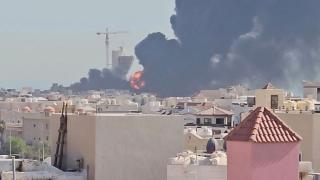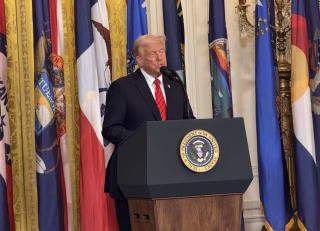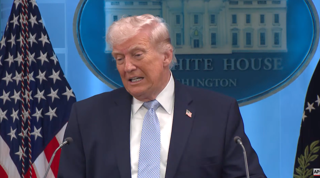
President Donald Trump announced on Wednesday that the U.S. military operation against Iran may conclude in two to three weeks, stating that the regime is "really no longer a threat." However, the specifics of what will transpire during this period remain unclear, and the U.S. has recently deployed thousands of ground troops to the region amid ongoing tensions. This military buildup raises questions about the future of U.S. involvement in Iran and the broader implications for the Middle East.
The prospect of further military escalation is deeply unpopular among Americans, who have expressed wariness about another prolonged conflict in the Middle East. Critics argue that any ground involvement could jeopardize Trump's approval ratings and Republican prospects in upcoming elections. Conversely, supporters of arming Iranian groups believe it could empower local resistance against the regime, potentially leading to a shift in power dynamics within Iran.
Military Presence and Options
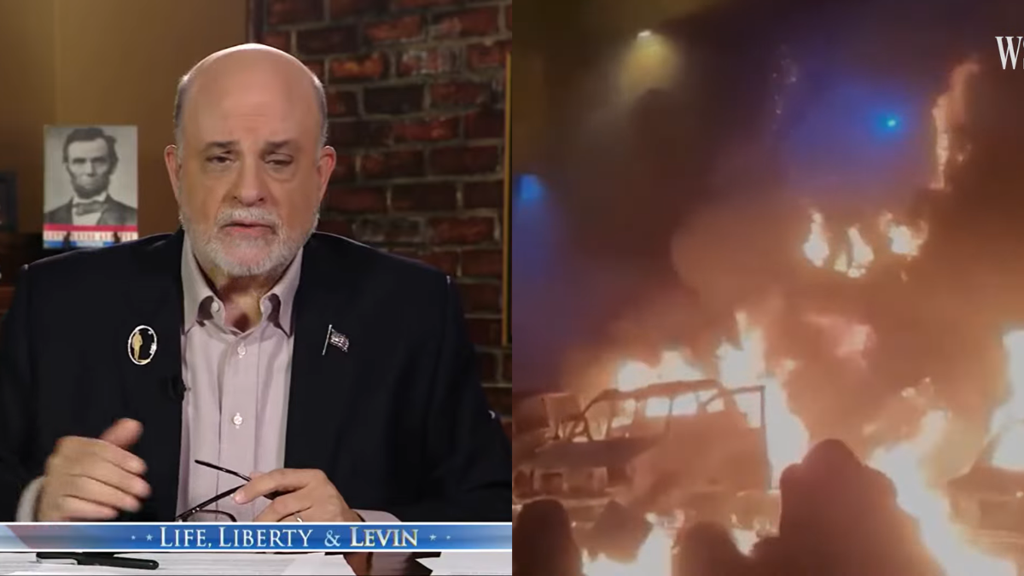
As the U.S. military presence continues in the region, the Strait of Hormuz, a vital shipping route for global oil supplies, remains closed. The administration is weighing its options, which include continuing air and naval operations without deploying ground troops or potentially arming Iranian opposition groups to destabilize the regime from within. Mark Levin, a prominent conservative commentator, has vocally supported the latter option, urging immediate action to arm the Iranian people. "ARM THE IRANIAN PEOPLE IMMEDIATELY!" Levin posted on social media, referencing historical precedents where U.S. support helped local forces achieve their objectives.
Despite Levin's enthusiasm, experts caution against the effectiveness of such strategies. Historical attempts to arm local groups have often resulted in unintended consequences. For instance, the U.S. military's efforts to train Syrian rebels against ISIS in 2015 yielded minimal success, with only a handful of fighters making it to the battlefield. Critics argue that simply providing weapons without adequate training could lead to further instability and chaos in the region.
Historical Context and Risks
The U.S. has a complex history of supporting rebel groups, often with mixed results. During the Reagan administration, the U.S. provided aid to anti-communist forces in Angola and Nicaragua, but these efforts did not lead to lasting success. In Angola, the MPLA ultimately triumphed, and in Nicaragua, the Contras' funding led to the Iran-Contra scandal, which marred Reagan's legacy and raised ethical questions about U.S. foreign policy.
Moreover, the U.S. support for the mujahideen in Afghanistan during the 1980s is frequently cited as a cautionary tale. While the U.S. succeeded in driving out Soviet forces, the aftermath contributed to the rise of the Taliban and al-Qaeda, culminating in the September 11 attacks. Critics of arming Iranian groups warn that similar blowback could occur, especially given Iran's size and strategic importance in the region. The potential for creating a power vacuum or exacerbating existing conflicts is a significant concern among policymakers and analysts.
Public Sentiment and Political Implications
Public sentiment appears to lean against further military involvement in Iran. Recent polls indicate that a majority of Americans oppose sending ground troops to the region. This reluctance reflects a broader wariness of military engagements that could lead to protracted conflicts, as seen in Iraq and Afghanistan. Many Americans are increasingly skeptical of military interventions, especially in light of the long-term consequences that often accompany such actions.
While Levin and others advocate for arming Iranian groups, the administration has not publicly committed to this strategy. Supporters of the idea argue that empowering local forces could lead to a more stable Iran, but critics emphasize the risks of escalating violence and the potential for a civil war. The complexities of Iran's political landscape and the potential for internal divisions complicate the prospect of successful intervention.
As the Trump administration navigates these complex issues, the implications of its decisions could resonate far beyond the immediate conflict. The potential for unintended consequences looms large, and the administration has yet to address the concerns raised by critics regarding the effectiveness and morality of arming opposition groups. The balance between supporting local resistance and avoiding further entanglement in Middle Eastern conflicts remains a critical challenge for U.S. policymakers moving forward.