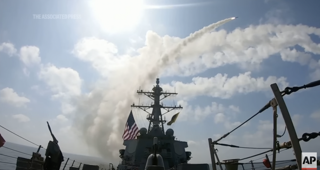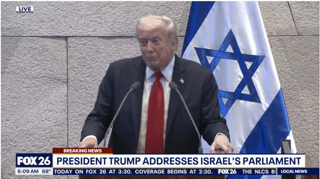
Israeli Prime Minister Benjamin Netanyahu confirmed that Israel acted independently in its recent attack on the Iranian South Pars gas field, countering claims by President Donald Trump that the U.S. had no prior knowledge of the operation. This admission follows a series of conflicting statements from unnamed Israeli officials who suggested that the U.S. was aware and involved in the planning of the strike.
The dispute underscores significant concerns regarding the coordination between the U.S. and Israel amid ongoing military actions against Iran. Critics argue that the lack of a unified command could lead to unintended escalations in the conflict, complicating U.S. foreign policy in the region.
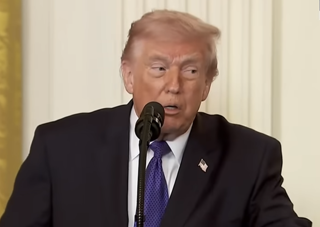
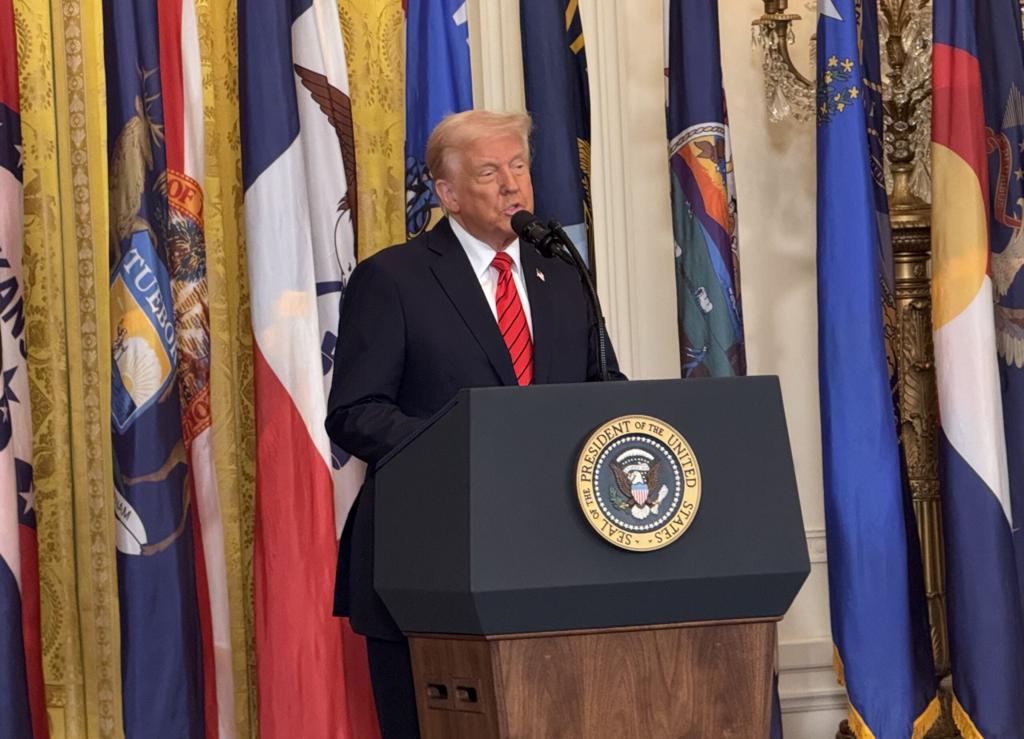
Israel's strike on the gas field has already prompted retaliation from Iran against Qatar, which shares the gas field and was reportedly unaware of the Israeli operation. Trump stated on social media, "The United States knew nothing about this particular attack, and the country of Qatar was in no way, shape, or form, involved with it, nor did it have any idea that it was going to happen."
In response to the attack, Iranian forces targeted Qatari energy infrastructure, leading officials in Qatar to label Israel's actions as "dangerous and irresponsible." The situation reflects a broader pattern of unilateral Israeli military actions that have raised alarms among U.S. allies in the region.
Diverging Objectives
The recent developments highlight a growing divergence in military objectives between the U.S. and Israel. Secretary of War Pete Hegseth acknowledged that while Israel has been a strong partner, it often pursues its own goals that may not align with American interests. He stated, "Where they have different objectives, they’ve pursued them. Ultimately, we’ve stayed focused on ours."
This lack of coordination raises questions about the effectiveness of U.S. military strategy in the region. Hegseth noted, "The Pentagon has not been clear about why there is not a unified chain of command," indicating a potential gap in strategic alignment that could have long-term implications for U.S. policy in the Middle East.
Trump's comments also reflect a desire to avoid escalating violence, as he warned against further Israeli attacks unless provoked. He stated, "I do not want to authorize this level of violence and destruction because of the long-term implications that it will have on the future of Iran."
Historical Context
The current tensions echo previous incidents where Israeli military actions have complicated U.S. diplomatic efforts. In September, an Israeli missile strike on Qatar resulted in civilian casualties and strained relations during sensitive negotiations. Sean Davis, CEO of The Federalist, remarked that the perception at the time was that the attack aimed to undermine peace talks.
The ongoing conflict has prompted U.S. officials to reassess their approach. Secretary of State Marco Rubio indicated that the U.S. had to act preemptively to protect American lives in the region, stating, "We knew that there was going to be an Israeli action, we knew that that would precipitate an attack against American forces."
As the situation evolves, the U.S. is under pressure to prevent the conflict from escalating into a prolonged engagement. House Speaker Mike Johnson expressed optimism that the war could conclude quickly, while the Pentagon is seeking $200 billion in supplemental funding to sustain military operations.
Hegseth emphasized the need for adequate resources, stating, "It takes money to kill bad guys. So we’re going back to Congress to ensure that we’re properly funded for what’s been done, for what we may have to do in the future."
Future Implications
The lack of a clear command structure could hinder U.S. efforts to stabilize the region and negotiate a resolution to the conflict. As Israel continues to act independently, the U.S. may find itself in a position of having to manage the fallout from these actions, complicating its strategic objectives.
The dynamic between the U.S. and Israel remains critical as both nations navigate their roles in the ongoing conflict with Iran. The situation calls for careful consideration of military actions and their broader implications for regional stability.