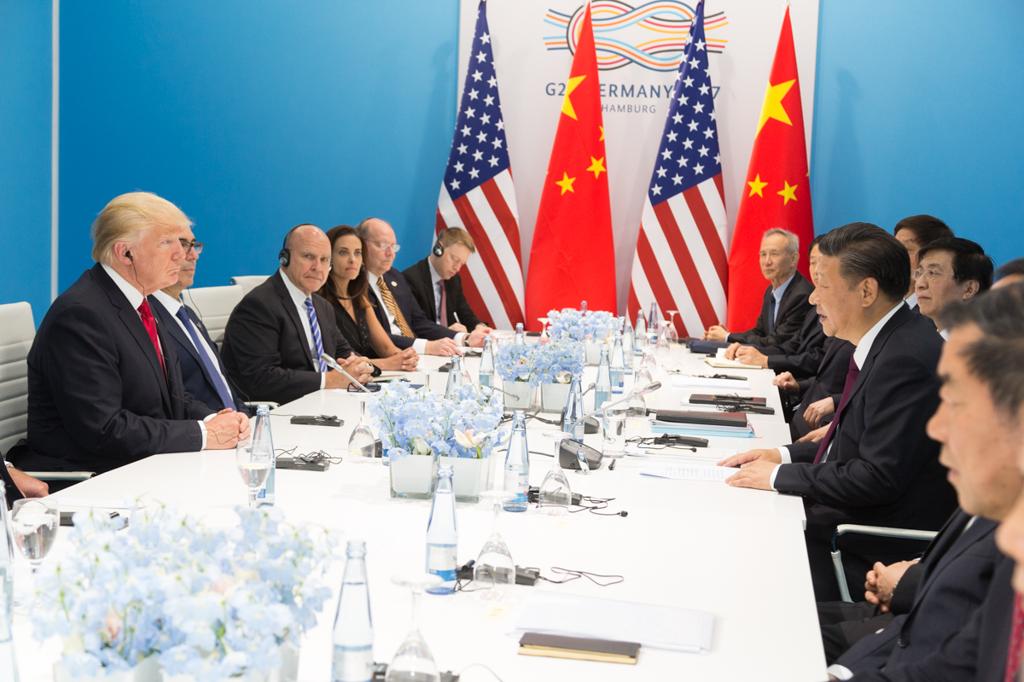
President Donald Trump’s administration has taken significant steps in 2026 that challenge Chinese President Xi Jinping’s vision for global dominance, particularly through military and economic maneuvers in Latin America and the Middle East. These developments come as Xi faces internal challenges and a shifting geopolitical landscape that may undermine his long-held ambitions for China.
The core tension lies in the contrasting trajectories of U.S. and Chinese influence, with Trump's recent actions suggesting a potential reversal of China's perceived ascendancy. Xi's narrative of the "China Dream"—a vision of national rejuvenation and global supremacy—has been met with aggressive U.S. foreign policy that seeks to dismantle this narrative piece by piece.
Since Xi took power in 2012, he has promoted the idea that the "East is rising and the West is declining," a belief that has driven a decade of assertive Chinese foreign policy, including military expansions and diplomatic coercion. However, recent events indicate that this narrative may be faltering as the U.S. reasserts its influence.
Key Developments in Latin America
In a striking move, Trump’s administration successfully captured Venezuelan leader Nicolás Maduro and his wife in a raid shortly after Maduro met with a high-level Chinese delegation. This operation exposed vulnerabilities in Chinese military technology, as Chinese-built defense systems reportedly suffered "catastrophic paralysis" during the raid.
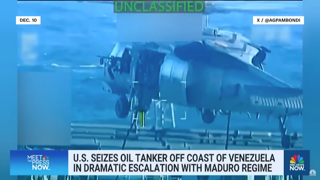
The U.S. has also taken control of Venezuela’s oil industry, jeopardizing billions of dollars in Chinese investments. While Beijing offered rhetorical support for Maduro, critics argue that this response highlights China's limited capacity to protect its allies.
Shifts in Panama and Military Operations
In another setback for China, Panama’s Supreme Court annulled contracts that allowed a Hong Kong-based subsidiary to operate key container ports at the Panama Canal. This decision, seen as a victory for U.S. efforts to reduce Chinese influence, underscores the shifting dynamics in the region.
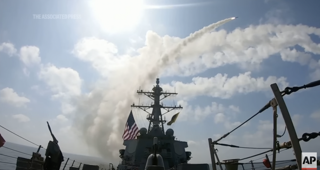
Additionally, the U.S. and Israel conducted joint military strikes against Iran, eliminating over 40 top leaders, including Supreme Leader Ayatollah Khamenei. This operation has significant implications for China, as approximately 13-14 percent of its annual seaborne oil imports come from Iran. With China already facing economic challenges, the loss of access to Iranian oil could exacerbate its difficulties.
Economic Challenges for China
China's economy is currently grappling with a declining property market, weakening domestic consumption, and youth unemployment exceeding 20 percent. The recent military actions have further restricted China's access to affordable oil from the Middle East, which accounts for a substantial portion of its imports.
Moreover, the performance of Chinese military technology has come under scrutiny, particularly following failures of air defense systems in Iran and Venezuela. These shortcomings raise questions about the credibility of Chinese arms exports and their effectiveness in bolstering geopolitical influence.
Implications for Xi's Vision
The combination of these events reveals significant gaps in Xi Jinping’s pursuit of superpower status. Despite his ambitions, China remains far from matching the U.S. in military presence, alliance formation, and soft power. The recent setbacks have cast doubt on the inevitability of Xi’s "China Dream," as he faces increasing challenges both domestically and internationally.
While some analysts argue that these developments could lead to a recalibration of Chinese foreign policy, supporters of Xi have not publicly addressed the criticisms raised by these recent events. The ongoing tensions suggest that 2026 may mark a pivotal year in the contest for global influence between the U.S. and China, with Trump’s actions potentially shattering Xi’s long-held aspirations.