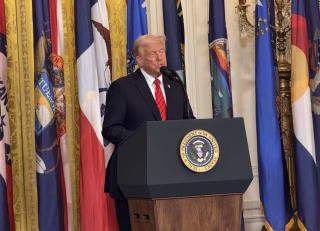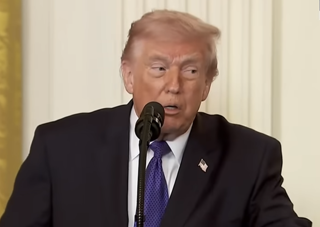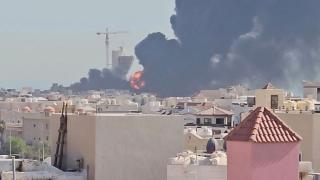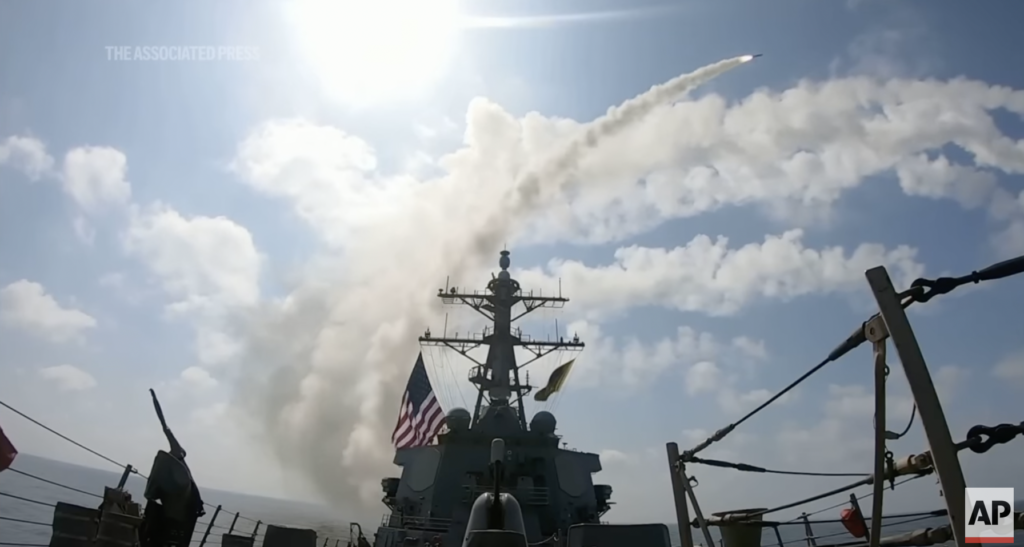
The United States and Israel have launched air strikes against Iran, marking a significant escalation in military action in the region. This development raises critical questions about the long-term implications for U.S. foreign policy and regional stability, as the conflict could have far-reaching consequences that extend beyond the immediate military objectives.
U.S. and Israel Launch Air Strikes Against Iran Amid Geopolitical Tensions
The air strikes come amid ongoing tensions surrounding Iran's nuclear ambitions and its growing influence in the Middle East. Critics of the military action argue that it could lead to a prolonged conflict, potentially drawing in more nations and complicating the geopolitical landscape. Conversely, supporters maintain that these strikes are necessary to protect U.S. interests and allies in the region, particularly in light of Iran's aggressive posturing.
Background and Reactions
In recent months, the geopolitical landscape has shifted dramatically, with the U.S. previously focusing on issues in Venezuela. The swift military operation aimed at capturing Venezuelan leader Nicolás Maduro was met with mixed reactions. Some praised its tactical execution, while others condemned it as an unnecessary intervention that could destabilize the region further. The current air strikes against Iran, however, are viewed as a more complex and larger-scale operation, with potentially greater implications.
Elle Purnell, an assignment editor at The Federalist, noted, "If you’re already planning the victory parade, you should consider thoughtful concerns about the risks and unpredictability of wars and their unforeseen consequences." This sentiment reflects a broader caution among analysts regarding the potential fallout from military engagements, emphasizing the need for a careful assessment of the situation.
Supporters of the strikes argue that they are essential to prevent Iran from advancing its nuclear program and to deter aggression against U.S. forces and allies in the region. However, some experts warn that military action could exacerbate tensions and lead to unintended consequences, including increased instability in the region. The potential for a wider conflict looms large, as neighboring countries may react to the strikes in unpredictable ways.
The ambiguity surrounding the objectives of the strikes has also raised concerns among analysts and policymakers. Questions remain about whether the primary goal is to prevent Iran from developing nuclear weapons, to support the Iranian populace against oppression, or to safeguard American interests abroad. Without clear objectives, it becomes increasingly challenging to assess the success or failure of the military action, leaving many to wonder what the endgame might be.
Purnell emphasized the importance of skepticism in evaluating information during wartime, stating, "Be very suspicious of anyone paraphrasing what someone else supposedly said, especially if that 'someone else' is the president of the United States." This caution is particularly relevant in an era where misinformation can easily spread through social media and other platforms, complicating the public's understanding of the conflict.
As the situation develops, the response from the Biden administration and military officials will be crucial in shaping public perception and understanding of the conflict. Critics have pointed out that Washington, D.C., often has a different perspective on military engagements compared to the general public, which may be less enthusiastic about entering new conflicts. This disconnect can lead to a lack of trust in government communications regarding military actions.
The military-industrial complex has been a point of contention in discussions about U.S. foreign policy, with defense lobbying expenditures exceeding $190 million last year. This raises important questions about the motivations behind military actions and the potential influence of defense contractors on U.S. foreign policy decisions. The intertwining of corporate interests and national security can complicate the narrative surrounding military engagements.
In conclusion, as the U.S. and Israel engage in military actions against Iran, the implications for regional stability and U.S. foreign policy remain uncertain. The need for clear objectives and transparent communication from officials is paramount to ensure that the American public understands the stakes involved in this escalating conflict. The coming days and weeks will likely reveal more about the strategic intentions behind these air strikes and their potential impact on the broader geopolitical landscape.