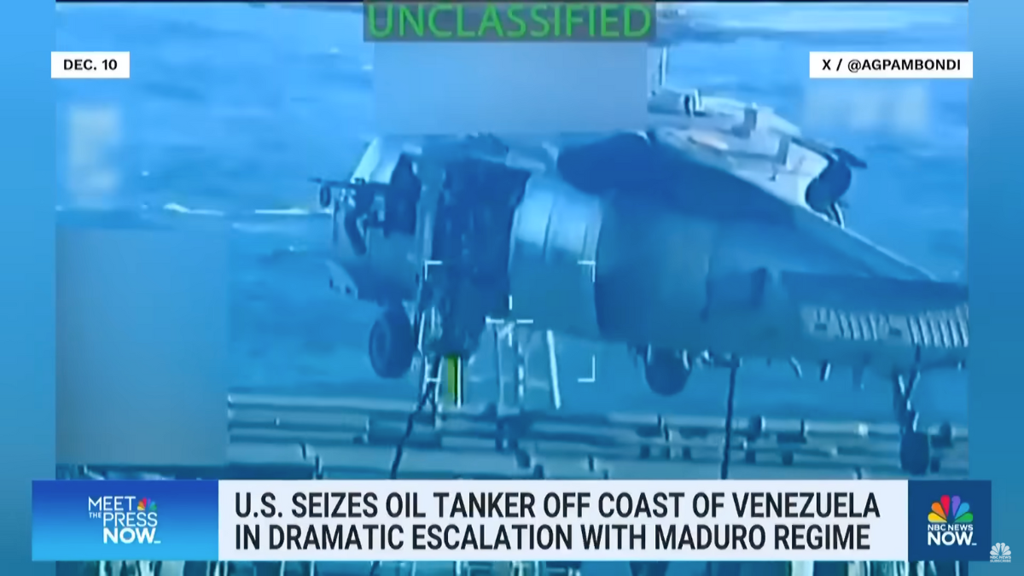
The U.S. government has seized a stateless oil tanker that was transporting Venezuelan oil, prompting a wave of criticism from some lawmakers and media outlets. Critics argue that the seizure represents an aggressive act that could escalate tensions with Venezuela and set a dangerous precedent for international maritime law.
The core tension revolves around the legality of seizing a stateless vessel and the implications for U.S. foreign policy. Supporters of the action contend that such seizures are justified under maritime law, while opponents warn that they could lead to unintended consequences.
The seized tanker, which was reportedly flying the flag of Guyana but not registered with that country, is classified as stateless. Maritime journalist John Conrad explains that stateless vessels lack legal protections and can be subject to seizure under international law. This situation is not unique; similar actions have occurred globally, including a recent seizure of a Kremlin-linked oil tanker by Estonian authorities for operating without a flag.
Bipartisan Concerns
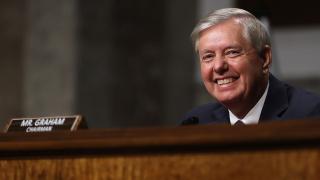
The seizure has drawn bipartisan criticism. Senator Rand Paul, a Republican from Kentucky, stated that “seizing someone’s oil tanker is an initiation of war,” questioning whether it is the role of the U.S. government to engage in such actions abroad. Meanwhile, Senator Chris Van Hollen suggested that the seizure indicates a broader strategy of regime change rather than merely combating drug trafficking, stating, “This is just one more piece of evidence that this is really about regime change — by force.”
Despite the criticism, some experts argue that the seizure aligns with a strategic effort to undermine the Maduro regime in Venezuela without resorting to military conflict. This perspective suggests that the U.S. aims to create economic pressure on the Venezuelan government, making its continued rule untenable.
Legal and Strategic Implications
The legal basis for the seizure is rooted in the classification of the vessel as stateless. According to maritime law, stateless vessels can be seized without the same legal ramifications as flagged vessels. This legal framework allows the U.S. to act against vessels that are not recognized by any nation, thereby justifying the seizure in the eyes of some legal experts.
Supporters of the seizure argue that it is part of a broader strategy to combat not only drug trafficking but also the influence of hostile regimes in the region. They contend that treating drug cartels as state-aligned actors allows for a more comprehensive approach to U.S. foreign policy in Latin America.
However, critics remain concerned about the potential for escalation. They argue that such actions could provoke retaliatory measures from Venezuela or its allies, leading to increased tensions in the region. The lack of a clear communication strategy from the U.S. government regarding the rationale behind the seizure has also fueled speculation and concern.
Future Developments
As the situation unfolds, the implications of the tanker seizure will likely become clearer. Analysts suggest that the U.S. may be pursuing a dual strategy of economic pressure and military readiness, aiming to destabilize the Maduro regime without engaging in direct conflict. The long-term effects of this approach remain uncertain, and observers will be watching closely for any further actions by the U.S. government.
In summary, the seizure of the stateless oil tanker carrying Venezuelan oil has ignited a debate over U.S. foreign policy and the legality of such actions. While some view it as a necessary step to combat hostile regimes, others warn of the potential for escalation and unintended consequences.