The Biden administration is currently facing significant scrutiny as President Trump’s previous assertions regarding the destruction of Iran’s nuclear program come under question amid rising tensions between the U.S. and Iran. Trump has repeatedly claimed that U.S. airstrikes conducted in coordination with Israel last June completely obliterated Iran’s nuclear capabilities. This claim raises concerns about the justification for potential military action against Tehran, especially as the narrative shifts to suggest that Iran is restarting its nuclear program.
The core tension lies in the apparent contradiction between Trump’s past statements and the current narrative suggesting that Iran is indeed reinitiating its nuclear efforts. While a majority of Americans support preventing Iran from acquiring nuclear weapons, critics are questioning the administration's rationale for military engagement if the nuclear threat was supposedly neutralized by previous actions.
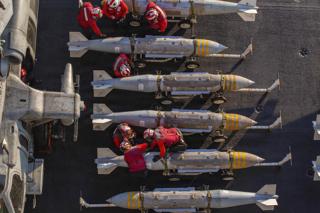
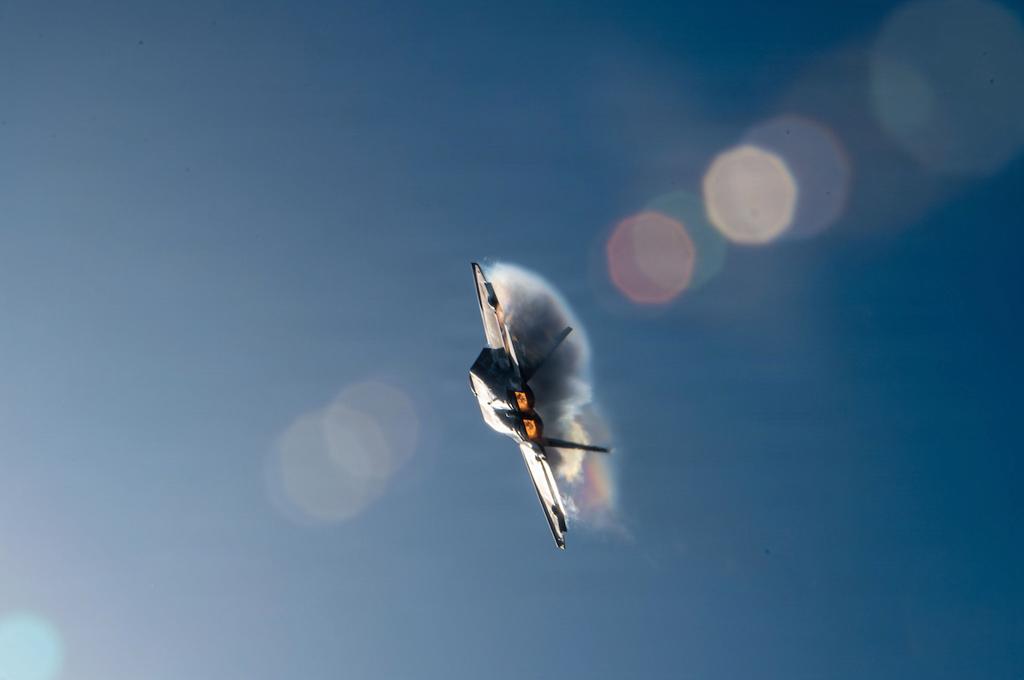
In June 2025, the U.S. targeted key Iranian nuclear facilities, including the Fordow enrichment site, which is buried under a mountain, as well as locations at Natanz and Isfahan. Following these strikes, Trump asserted that Iran’s nuclear capabilities had been “totally obliterated,” a claim he reiterated multiple times over the following months. As recently as this month, Trump stated that the program was “totally obliterated.” However, during his recent State of the Union address, Trump accused Iran of restarting its nuclear program and developing missiles capable of reaching the United States. This contradiction raises serious questions about the effectiveness of the airstrikes and the administration's current military posture. John Daniel Davidson, a senior editor at The Federalist, posed a critical question: "If we obliterated their nuclear facilities as thoroughly as Trump says we did, then when is the president going to come out and explain the justification for going to war with Tehran now?"
Critics argue that the shifting narrative undermines public trust in the administration. Davidson emphasized the importance of transparency, stating, "A decent respect for the opinion of the American people should compel any White House to at least give a plausible reason for launching regime change strikes on the other side of the world."
Inconsistent Messaging
The administration's messaging has been inconsistent, with Trump previously threatening military action against Iran for its treatment of protesters, only to pivot back to the nuclear issue. Last week, White House Press Secretary Karoline Leavitt was asked why the U.S. would need to strike Iran if its nuclear program had already been destroyed. She responded, "Well, there’s many reasons and arguments that one could make for a strike against Iran." This lack of clarity has led to skepticism among observers and analysts.
Davidson noted that relying solely on Israeli Prime Minister Benjamin Netanyahu’s assessments of Iran’s nuclear capabilities is problematic, given Netanyahu’s long history of warning about Iran’s nuclear ambitions. This reliance raises concerns about the accuracy of the information being used to justify potential military actions.
Calls for Clarity
As discussions of military action intensify, some U.S. officials reportedly believe that Israel should strike Iran first, allowing Iran to retaliate against U.S. interests. They argue that such a scenario would create a stronger political justification for U.S. intervention. This strategy has raised concerns about the potential for escalation and the implications for U.S. foreign policy in the region.
The prospect of military action against Iran is significant and carries the weight of historical precedent. Many Americans remain wary of entering another conflict in the Middle East, particularly given the lessons learned from previous engagements in Iraq and Afghanistan. Davidson cautioned that the administration must be honest about the motivations behind any potential military action, stating, "Being honest about what’s really behind this push for regime change in Iran is likely the only way for the Trump administration not to turn the American people hard against it."
As the situation develops, the administration has yet to provide a clear and consistent rationale for its military posture toward Iran. This lack of clarity leaves many questions unanswered about the future of U.S.-Iran relations and the potential for conflict, as the international community watches closely to see how the Biden administration will navigate this complex and evolving situation.