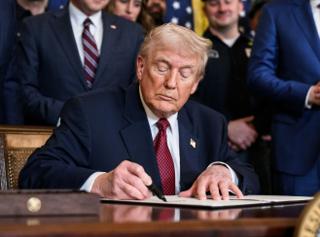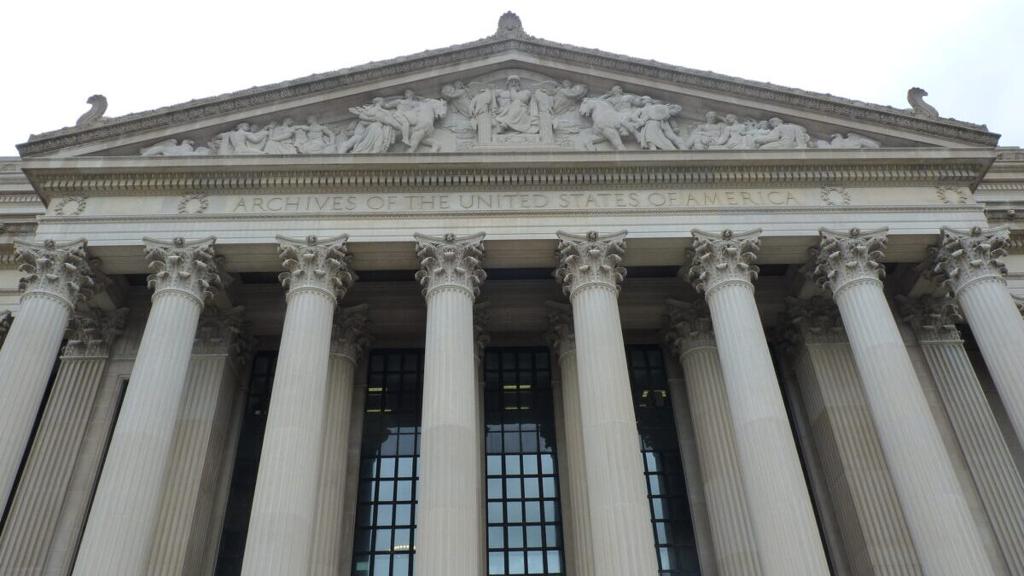
The nomination of the next archivist of the United States is poised to be one of the most significant appointments in President Donald Trump's administration, according to records management experts. The role has gained heightened importance due to ongoing challenges in federal electronic records management, which have raised concerns about transparency and accountability in government operations.
Don Lueders, a Certified Records Manager with over 25 years of experience in federal records management, emphasized the urgency of the situation. "The next archivist will face a monumental task: rebuilding a national records management system that has never functioned properly," he stated.
The National Archives and Records Administration (NARA), which the archivist leads, has been criticized for its inability to manage electronic records effectively. This failure has led to significant issues, including a lack of transparency in government decision-making and the loss of millions of classified records. Lueders pointed out that the dysfunction has hindered oversight of federal spending and accountability for agencies, particularly in light of high-profile incidents like the January 6 Capitol riot and the Pentagon's missing funds.
The roots of the problem trace back to the late 1990s when the government first began managing electronic records. NARA's endorsement of the Defense Department’s electronic records repositories was intended to streamline this process. However, the systems were not effectively implemented, leading to a systemic collapse in managing electronic records across federal agencies.
In 2014, the Presidential and Federal Records Act Amendments expanded the definition of federal records to include all recorded information, placing further responsibility on NARA. This change has made the archivist's role critical, as they now oversee the digital infrastructure of the entire federal government. Lueders noted, "The archivist now influences or determines every federal IT acquisition, every cloud solution, every system that stores or transmits information."
The position, once seen as largely ceremonial, has become pivotal in ensuring that the government can function effectively in the digital age. However, the recent firing of former archivist Colleen Shogan has left a leadership vacuum at a time when NARA needs a leader with technical expertise and vision.
"This is untenable," Lueders said, stressing the need for a qualified successor who can navigate the complexities of federal records management. The next archivist must not only address the existing chaos but also restore public trust in government operations.
As Trump prepares to make this crucial nomination, the stakes are high. The next archivist will be responsible for ensuring compliance with federal laws regarding records management, including the Federal Records Act and the Freedom of Information Act. Failure to appoint a capable leader could have cascading consequences across various policy domains, from national security to public health.
In summary, the upcoming nomination of the archivist of the United States represents a critical juncture for the federal government. The individual selected for this role will play a key part in restoring transparency and accountability, which are essential for a functioning democracy.
"The archivist of the United States is now the guardian of every recorded action of our government — and therefore the guardian of the public’s right to know," Lueders concluded, urging the president to choose wisely in this pivotal appointment.