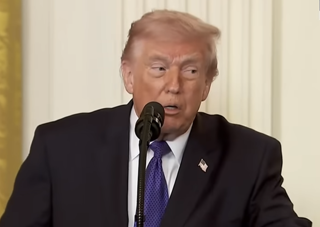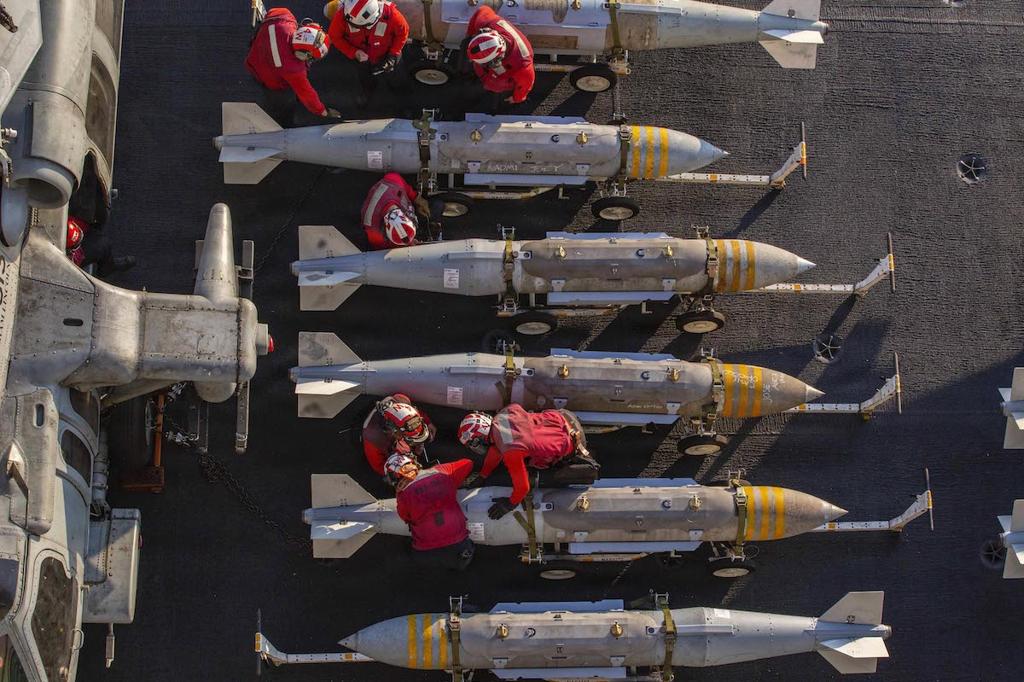
The Trump administration's recent military action against Iran has been attributed to pressure from Israel, according to statements from U.S. officials. Secretary of State Marco Rubio indicated that Israel's actions were a significant factor in the decision to engage militarily, stating, "We knew there was going to be an Israeli action. We knew that would precipitate an attack against American forces."
This development raises critical questions about the influence of foreign allies on U.S. military decisions and the implications for American foreign policy. The remarks from Rubio and House Speaker Mike Johnson suggest a belief that the U.S. was compelled to act preemptively to avoid greater casualties in the event of an Iranian retaliation.
Background on U.S.-Israel Relations
The relationship between the United States and Israel has long been characterized by close military and diplomatic ties. However, recent events have sparked debate over whether U.S. policy is being unduly influenced by Israeli interests. Reports from the New York Times detail how Israeli Prime Minister Benjamin Netanyahu sought to ensure that U.S. diplomatic efforts with Iran did not undermine plans for military action.
Rubio's comments reflect a broader concern among some lawmakers that the U.S. is allowing Israel to dictate its foreign policy. He noted that during a briefing with congressional leaders, he argued that regardless of who struck first, Iran would retaliate against U.S. assets. This perspective was echoed by Speaker Johnson, who described the military action as a necessary defensive measure.
Criticism and Concerns
Critics, particularly among Democrats, have expressed unease over the implications of such a dynamic. They argue that the Trump administration's approach risks entangling the U.S. in conflicts that do not align with its own strategic interests. Some lawmakers have suggested that the administration's reliance on Israeli assessments may compromise U.S. autonomy in foreign policy decisions.
The New York Times article highlights that Netanyahu's influence was significant enough to alter the course of U.S. negotiations with Iran. The report suggests that the U.S. was effectively "chain-ganged" into a conflict, a term used in international relations to describe situations where a stronger ally is drawn into a conflict due to the actions of a weaker ally.
Historical Context
This is not the first instance where Israel has sought to draw the U.S. into military action against Iran. In 2011 and 2012, Israel indicated it might take unilateral military action against Iran's advancing nuclear program, pressuring the U.S. to adopt a more aggressive stance. While the Obama administration ultimately resisted military engagement, it did impose significant economic sanctions on Iran, reflecting some level of Israeli influence on U.S. policy.
The current situation, however, marks a departure from previous administrations, as the Trump administration appears to have acted on Israeli advice without extensive public justification. This raises concerns about the transparency of U.S. military decisions and the extent to which foreign interests shape American actions.
Looking Ahead
While the U.S. military effort against Iran may yield short-term objectives, the long-term implications of such entanglements warrant careful consideration. Some analysts argue that the U.S. must reassess its security commitments to ensure that it does not become overly reliant on the strategic calculations of its allies.
As the situation unfolds, it remains to be seen how this military engagement will impact U.S.-Iran relations and the broader geopolitical landscape in the Middle East. The administration has yet to provide a comprehensive rationale for its actions, leaving many questions unanswered about the future of U.S. foreign policy in the region.