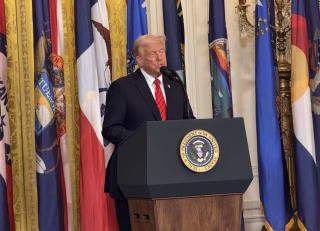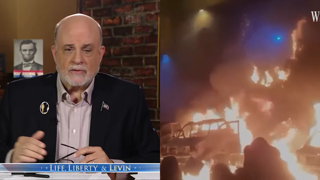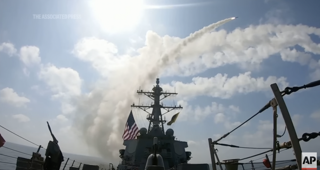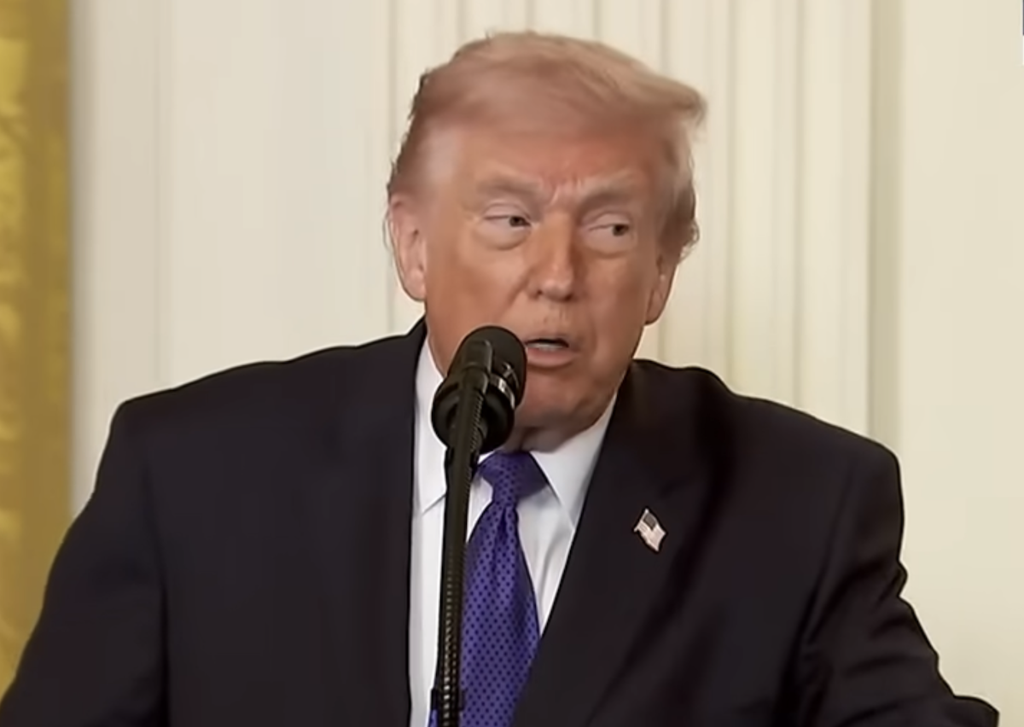
The Trump administration is currently facing increasing scrutiny regarding its military involvement in Iran, with critics raising questions about the justifications provided for the ongoing conflict. Administration officials have offered varying explanations for the U.S. role in the situation, citing reasons such as the need to prevent Iran from developing nuclear weapons, addressing the leadership of Iran, and supporting Israel's security interests in the region.
The core tension lies in whether U.S. military action serves American interests or primarily benefits Israel. This raises significant concerns about the implications for American lives and resources. Critics argue that the administration's inconsistent messaging undermines public trust and clarity regarding the objectives of the military engagement, making it difficult for citizens to understand the rationale behind the actions being taken.
In recent statements, Secretary of State Marco Rubio acknowledged that the administration was aware of an impending Israeli action against Iran. This suggests that U.S. involvement was, at least in part, a response to Israeli interests. "Trump made the very wise decision to be the first to attack," Rubio stated, indicating a strategic alignment with Israel's military objectives. This has led to further questions about the extent to which U.S. policy is being shaped by its closest ally in the region, raising concerns about the independence of American foreign policy.
Questions About U.S. Interests
Critics are now asking how it serves American interests for Israel to dictate U.S. military policy in the Middle East. The New York Times reported that Israel is leveraging the current conflict to pursue its own geopolitical agenda, which raises concerns about the potential for broader military engagement that could involve the U.S. in a protracted conflict.
Eddie Scarry, a columnist for The Federalist, highlighted the gravity of the situation, stating, "This is life and death. Multiple Americans have already died, and the president has helpfully informed us that he anticipates more." Scarry's remarks reflect a growing unease among the public regarding the administration's transparency about the war's objectives and the risks involved. The loss of American lives in this conflict has intensified calls for clarity and accountability from the administration.
The Role of Israel
Another critical question is the extent to which Israel remains an asset to the U.S. and the responsibilities Americans have toward its welfare. If U.S. actions are contingent on Israeli military decisions, it is essential to understand Israel's strategic timeline and objectives. As Israel expands its military operations, there are concerns that the U.S. may be drawn into conflicts that extend beyond its initial scope, potentially leading to a wider regional war.
Charlie Kirk, a conservative commentator, previously warned that a new war in the Middle East would be a "catastrophic mistake." He commended Trump for exercising restraint in military matters, raising questions about whether the current conflict contradicts that approach. Kirk's perspective reflects a broader debate within conservative circles about the implications of U.S. military involvement in the region and the potential consequences for American foreign policy.
Administration's Response
Despite the mounting criticism, the Trump administration has not provided a comprehensive response to these concerns. Supporters of the administration argue that military action is necessary to counter Iranian aggression and protect U.S. interests in the region. However, the lack of clear communication regarding the war's objectives and expected outcomes has left many questions unanswered.
As the situation evolves, the administration's ability to articulate a coherent strategy will be crucial in addressing public concerns and maintaining support for its actions. With multiple American lives already lost, the stakes are high, and the need for clarity is more pressing than ever. The administration must navigate these complex dynamics carefully to ensure that U.S. interests are prioritized and that the public remains informed about the rationale behind military decisions.