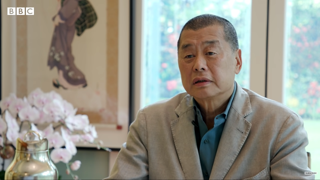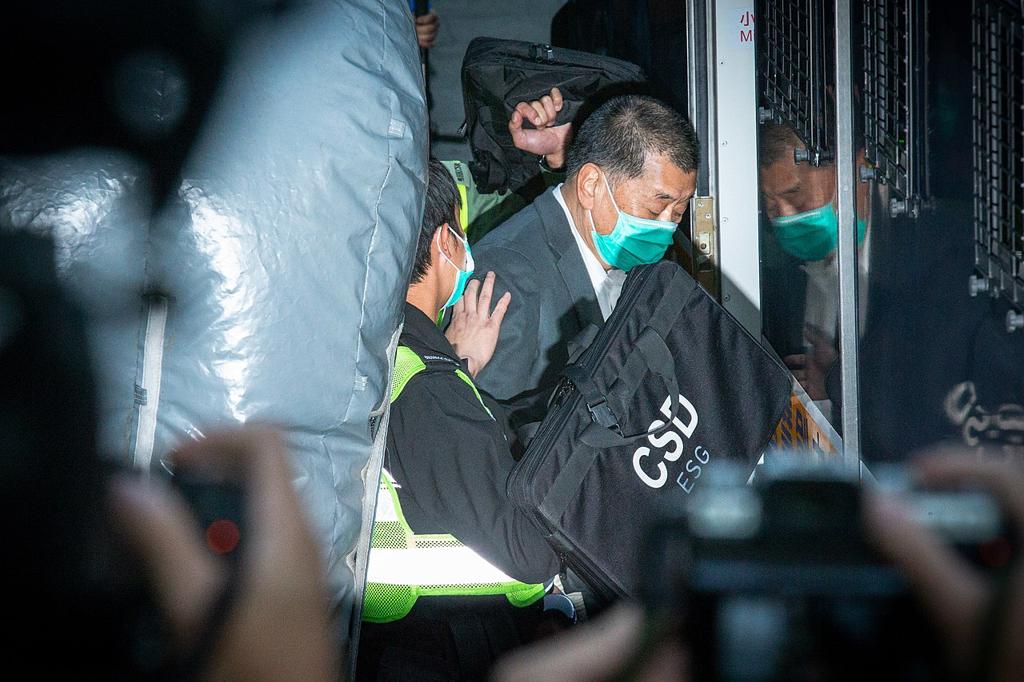
Hong Kong's High Court sentenced media mogul and pro-democracy activist Jimmy Lai to 20 years in prison on Monday, marking a significant escalation in the city's ongoing crackdown on dissent. This ruling is widely viewed as part of a broader effort by the Chinese-backed government to suppress pro-democracy voices in the region, a move that has raised alarms among human rights advocates and international observers alike.
The sentence highlights the ongoing tensions between the Hong Kong government and advocates for democratic freedoms. Critics argue that such measures fundamentally undermine the autonomy promised to the city under the "one country, two systems" framework established during the handover from British to Chinese rule in 1997. Lai, the founder of the now-defunct pro-democracy newspaper Apple Daily, was convicted on charges of collusion with foreign powers and sedition, primarily under the national security law enacted in 2020. This law has been criticized for its broad and vague definitions, which many believe effectively criminalize dissent and restrict free expression.
Lai's 20-year sentence is the longest imposed under the national security law to date, surpassing the previous 10-year term given to fellow activist Benny Tai. Lai, who is currently 78 years old and reportedly in declining health, may spend the remainder of his life in prison unless his sentence is reduced or he is released early due to humanitarian considerations.
Background on Jimmy Lai
Jimmy Lai has been a prominent figure in Hong Kong's pro-democracy movement for many years, advocating for greater freedoms and rights for the city's residents. His newspaper, Apple Daily, was known for its critical coverage of the Chinese government and its strong support for democratic reforms. However, the publication was forced to shut down in June 2021 amid increasing pressure from authorities, a move that many viewed as a direct attack on press freedom in the region.
In response to Lai's sentencing, Secretary of State Marco Rubio condemned the ruling, calling it "an unjust and tragic conclusion" to the legal actions against him. In a statement, Rubio urged authorities to grant Lai humanitarian parole, emphasizing that the ruling reflects Beijing's determination to silence advocates for fundamental freedoms in Hong Kong. He stated, "It shows the world that Beijing will go to extraordinary lengths to silence those who advocate fundamental freedoms in Hong Kong," highlighting the broader implications of Lai's case for civil liberties in the region.
International Reactions
The U.S. government has expressed significant concern over Lai's sentencing, with President Donald Trump previously voicing sympathy for the media mogul. Trump stated, "I feel so badly" about Lai's situation and revealed that he had asked Chinese President Xi Jinping to consider releasing him due to his age and health issues. This appeal underscores the international dimension of the case, as it draws attention to the human rights situation in Hong Kong.
Despite the international outcry and condemnation from various human rights organizations, the Hong Kong government has not publicly responded to the criticisms surrounding Lai's sentencing. Supporters of the national security law argue that it is necessary for maintaining stability in the region, while critics contend that it is being used as a tool to stifle dissent and undermine civil liberties.
Implications for Hong Kong's Future
Lai's case is emblematic of the broader challenges facing pro-democracy activists in Hong Kong. The national security law has been criticized for its vague definitions and broad application, which critics say effectively criminalizes dissent and restricts free expression. As more activists face similar charges, concerns grow about the future of civil liberties in the city and the potential for further crackdowns on dissent.
The sentencing of Jimmy Lai serves as a stark reminder of the ongoing struggle for democracy in Hong Kong and the lengths to which authorities will go to maintain control. As international scrutiny increases, the situation remains fluid, with many watching closely to see how it will unfold in the coming months. The implications of Lai's sentencing extend beyond his individual case, raising critical questions about the future of democracy and human rights in Hong Kong and the broader region.