Health Care Realities: Cost, Ethics, and Reform Challenges in America
Explore the complex landscape of U.S. health care reforms, ethical controversies, and fiscal challenges, with insights on Medicare for All and gender-related medical practices.
Additional reporting by April Clark, Oliver Brown

The American health care system remains one of the most complex and contested arenas in public policy. At this critical juncture, debates have intensified around the affordability of care, ethical boundaries in medical treatment, and the government's evolving role in health services. These are not mere academic discussions but urgent issues with real-world impact on millions of Americans' lives and economic well-being. Conservative approaches emphasize balancing fiscal discipline, preserving patient autonomy, and ensuring medical ethics remain paramount amid shifting political winds.
Recent events within policy circles underscore a growing recognition that ideological health-care proposals, particularly expansive government programs, face serious practical and financial barriers. Moreover, ethical controversies have surfaced involving medical care for minors, notably in procedures related to gender identity treatments. As the nation contends with escalating costs, fraud, and political gridlock, a clearer understanding of these intersecting challenges is essential for shaping a responsible health care future.
Political Retreat From Medicare For All
"A responsible health care future demands confronting both ethical misconduct and budget-busting reform fantasies with fiscal prudence and principled conservatism."
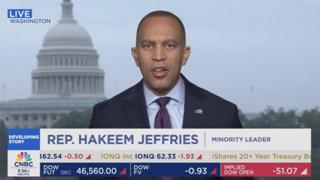
The most startling indicator of the difficulty sweeping health care reform faces is the abrupt reversal by House Minority Leader Hakeem Jeffries on Medicare for All. Once a prominent champion of converting America’s patchwork health system into a federally managed single-payer model, Jeffries has now distanced himself from the proposal. He cites mounting concern over the staggering price tag and logistical complications involved in rolling out Medicare for All on a national scale. This retreat signals a significant recalibration even among progressives, demonstrating the intense political and fiscal realities that undercut overly ambitious health plans.
Medicare for All, which promises universal coverage free at the point of service, has long appealed as an idealistic solution to uninsured populations. Yet conservative analysts and many economists warn the plan would trigger unprecedented tax increases, balloon federal debt, and strain medical infrastructure. Opponents argue that reducing patient choice and centralizing control could stifle innovation and reduce quality care options, potentially leading to long wait times and rationing. Jeffries’ turnaround has amplified discussions about seeking more incremental reforms or market-based alternatives rather than wholesale government takeovers.
This sentiment echoes our editorial caution that Republicans should resist bailing out Obamacare, which failed to control costs or improve competitive dynamics. Conservative voices argue to direct attention towards revamping insurance markets, enhancing price transparency, and empowering consumers rather than expanding bureaucratic entitlements that threaten fiscal sanity. The rejection of Medicare for All by a key Democratic leader provides a moment of clarity: sustainable health care reform must reckon with economics, not just ideals.
Ethical And Financial Controversies Surrounding Gender-Related Treatments For Minors
Parallel to debates over health care finance, a deeply troubling issue has emerged regarding the medical treatment of minors with gender dysphoria. An explosive report from the Department of Health and Human Services entitled 'Wolves in White Coats' revealed patterns of fraudulent insurance billing by doctors and hospitals for sex-rejecting procedures on children. The report exposes how medical providers may have altered diagnostic codes to hide controversial treatments and manipulate insurance reimbursements, reportedly involving over $50 million in suspicious billings.
This situation raises profound ethical dilemmas. Conservative critics emphasize that many minors undergoing these irreversible interventions, such as hormone therapies or surgeries, may lack full capacity for informed consent. The manipulation for profit suggested by the billing improprieties compounds concerns about exploitation of vulnerable patients. Our reporting on the dismissal of a detransitioner’s lawsuit connects these concerns to the real-world suffering and legal challenges faced by individuals seeking to undo what some call harmful and unsupported medical decisions.
The intersection of medical ethics, pediatric care, and insurance incentives underscores systemic weaknesses in oversight. Conservatives argue that government and regulatory bodies must strengthen accountability mechanisms to prevent financial motives from dictating medical treatments. Without robust protections, children risk becoming subjects of ideological experimentation rather than patients receiving cautious, individualized care. Furthermore, this controversy fuels broader debates about the appropriate scope of government influence in approving and funding emerging medical procedures.
The Burden Of Obamacare And Calls For Conservative Alternatives
While Obamacare expanded insurance access, its mixed legacy remains a polarizing topic. The law’s complex regulations, increasing premiums, and taxpayer-funded subsidies have led to growing concerns over long-term sustainability. Republicans face a difficult calculus: whether to maintain certain subsidies to avoid disruption or push for comprehensive reforms that restore market freedom and reduce federal obligations.
Recent legislative maneuvers by House Republicans, including proposals for subsidy extensions despite internal party critique, reflect this tension. Yet conservative analysts highlight that even modest reforms could generate large savings, such as increasing nominal premiums from zero to a dollar, a move estimated to save $7 billion annually without significantly harming coverage availability, as explained in our coverage on raising Obamacare premiums.
Moreover, ongoing reports of widespread fraud within Obamacare exchanges underline the necessity of tighter oversight. Billions in taxpayer funds are lost due to fraudulent claims, underscoring the urgency for market-driven reform to restore accountability. Conservatives contend that efforts focused on competition, transparency, and consumer choice present the best pathway to an affordable, efficient health system, rather than endless bailouts of flawed entitlement programs.
Immigrant Health Care: Fiscal Impact And Political Controversy
Health care debates have increasingly intersected with immigration policy, exposing fraught tensions over resource allocation and federal spending. Reports revealing over $200 million in federal health care expenses allocated for illegal immigrants highlight a growing fiscal burden. As illegal immigration persists, this spending has become a hot-button issue affecting budget negotiations and fueling partisan standoffs, even triggering government shutdown threats over health care eligibility for noncitizens.
Efforts like the House bill requiring hospitals to report immigration status for Social Security recipients, discussed in our coverage of the immigration status reporting proposal, signal conservative insistence on reinforcing eligibility verification and protecting taxpayer financed health programs. These initiatives reflect broader conservative views prioritizing the welfare of legal residents and citizens while curbing unsustainable expenditures linked to illegal immigration.
This immigration-health care nexus amplifies the challenge of balancing compassion, fiscal responsibility, and enforcement. For many conservatives, unchecked health benefits for noncitizens distort the social contract underpinning government programs. Controlling these costs is critical to avoid further straining health systems and taxpayer wallets, ensuring that scarce resources primarily aid Americans and lawfully admitted immigrants.
The Importance Of Upholding Medical Ethics And Fiscal Responsibility
At the heart of health care lies the essential tension between innovation, ethics, and financial sustainability. The disturbing revelations of deceptive billing linked to gender-related treatments on minors fundamentally challenge the integrity of medical practice. Fraudulent conduct subverts trust in the health system and endangers vulnerable patients while draining public and private insurance funds.
This scandal illustrates the need for rigorous enforcement of medical ethics and improved government oversight in emerging areas of care. While progressives often emphasize expanding treatment access, conservatives highlight the vital necessity of ensuring informed consent, parental involvement, and patient safety above political considerations or financial incentives.
Simultaneously, the economic realities of massive proposals like Medicare for All underscore the impossibility of ignoring fiscal constraints. The government’s capacity to finance health care without triggering crippling taxes or rationed access is limited. Conservative policy solutions emphasize harnessing competitive markets, transparency, and personal responsibility to deliver care that is both affordable and ethical.
The ongoing battles over Obamacare subsidies, immigrant health entitlements, and regulation showcase the intricate web of policy challenges. Without principled discipline and a commitment to accountability, the system risks collapse under the weight of political posturing and financial mismanagement.
A Conservative Path Forward In Health Care Reform
Despite the left's push for expanded government control over health care—including aggressive Medicaid expansions and hospital price regulations—conservatives maintain these efforts risk degrading quality, restricting choices, and bankrupting the treasury. Instead, the conservative vision champions reforms that enhance access through competition, deregulation, and cracking down on fraud rather than embracing ever-larger government authority.
This approach aligns with a realistic understanding of economic pressures and demographic shifts. Concrete conservative proposals call for empowering consumers with better information, supporting innovation in care delivery, and instilling accountability throughout the system. As our reporting notes, conservatives advocate for a health care environment where providers are held to clear standards, patients make informed choices, and the system rewards responsible stewardship of resources.
Ultimately, the goal is a health care system that is affordable, ethical, and effective—one that protects vulnerable citizens without resorting to unsustainable entitlement expansions or politicized medical overreach. The continuing health care debate challenges policymakers to reject extremes and embrace pragmatic, fiscally sustainable reforms rooted in American values of liberty and responsibility.
Frequently asked questions
Why did Hakeem Jeffries withdraw his support for Medicare for All?
Jeffries cited concerns regarding the high cost and practical challenges in implementing a nationwide single-payer health care system.
What are the ethical concerns surrounding sex-rejecting procedures on minors?
Critics argue that minors may lack the capacity for informed consent and that fraudulent billing practices incentivize unnecessary or harmful treatments.
How does Obamacare impact the federal budget and taxpayers?
While expanding coverage, Obamacare has led to rising premiums and substantial subsidies, raising concerns about sustainability and taxpayer burdens.
What role does immigrant eligibility play in health care spending debates?
Providing government-funded health care to illegal immigrants adds costs that some conservatives say are unsustainable and unfair to citizens.
What alternatives do conservatives propose instead of Medicare for All?
They advocate reforms that promote competition, increase market transparency, reduce fraud, and maintain patient choice without large government expansions.
Is health care fraud a significant issue affecting costs?
Yes, analyses reveal billions lost to fraudulent billing practices, making fraud reduction a key component for effective reform.
How does the government ensure ethical medical practices?
Regulatory agencies and laws aim to oversee medical ethics, but recent reports suggest the need for stronger enforcement, especially in emerging treatment areas.
Timeline of our coverage
- 2026-08-22 — Jeffries Withdraws Support for Medicare for All, Citing Cost Concerns
- 2026-08-21 — Detransitioner’s Lawsuit Dismissed as HHS Report Details Alleged Medical Abuse of Minors
- 2026-07-30 — Critics Tie Obama’s Legacy to Democratic Party’s Leftward Shift
- 2026-07-23 — HHS Ends Race-Based Sorting in Civil Rights Enforcement
- 2026-07-13 — House Bill Would Require Hospitals to Report Immigration Status of Social Security Recipients
- 2026-07-06 — Democrats Push for Government Control in Housing and Health Care Under Mamdani's Leadership
- 2025-12-05 — House Republicans Propose Extension of Obamacare Subsidies Amid Internal Discontent
- 2025-11-20 — Raising ‘Free’ Obamacare Premiums To $1 Could Save $7B A Year
- 2025-11-18 — House Democrats Pursue Discharge Petition for Obamacare Subsidy Extension
- 2025-11-12 — Why Republicans Should Resist The Urge To Bail Out Obamacare
- 2025-11-04 — Health Insurance Companies Spend Big On CA Redistricting Fight
- 2025-10-31 — 'Conservative' Pollster Shills For Health Insurance Companies
- 2025-10-30 — Report Reveals $200 Million in Federal Health Care Spending for Illegal Immigrants
- 2025-10-28 — Obamacare’s ‘Free’ Preventive Care Is A Total Failure
- 2025-10-24 — Think Tank Claims on Obamacare Subsidies Under Scrutiny
- 2025-10-23 — Pennsylvania Committee Passes Six Extreme Abortion Measures
- 2025-10-15 — Public Health Destroyed Its Own Credibility Long Before RFK Jr.
- 2025-10-09 — Senate Democrats Block Government Funding Amid Controversy Over Healthcare for Illegal Immigrants
- 2025-10-08 — No, Obamacare Premiums Are Not Doubling
- 2025-10-07 — GOP Should Fix Health Care Rather Than Bailing Out Obamacare
The Bottom Line
- Health care costs and system complexity directly impact the economic security of American families.
- The ethical treatment of minors in medical procedures has profound implications for patient safety and trust in medicine.
- Government spending on health care shapes national budgets and taxpayer burdens, influencing all public services.
- Immigration-related health expenditures highlight cracks in program eligibility and fiscal responsibility.