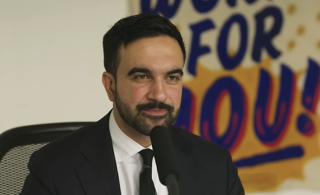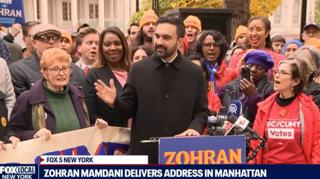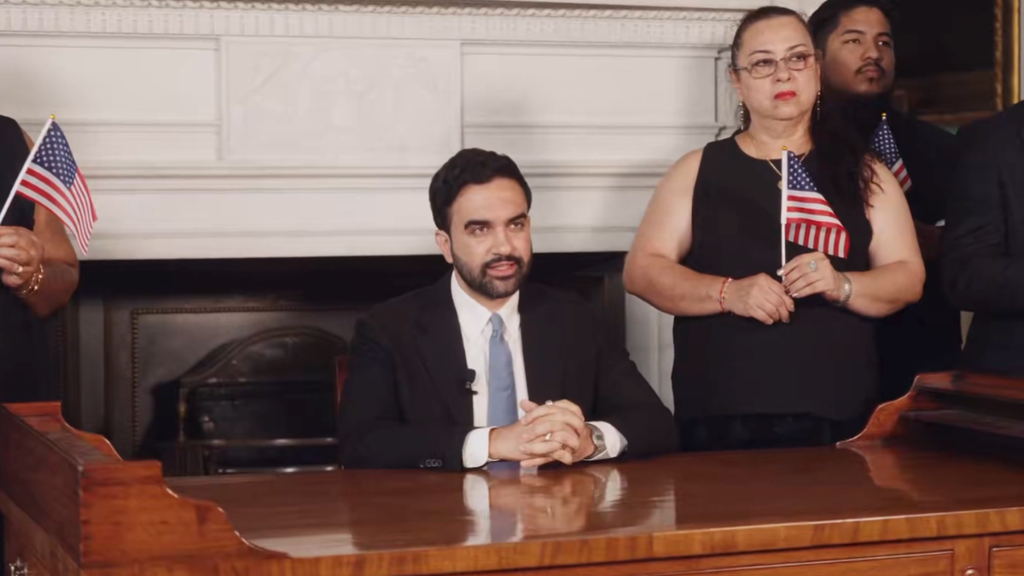
New York City Mayor Zohran Mamdani is advocating for significant government control over housing and health care, a move that critics argue could lead to authoritarianism. Mamdani's administration has implemented a rent freeze affecting approximately 1 million rent-stabilized apartments, which represent about 27% of the city's housing stock. This policy aims to regulate housing prices directly through government intervention, a strategy that Mamdani claims will prioritize public welfare and ensure that housing remains affordable for all residents.
Explainer The Evolving Landscape of American Health Care Legislation
Democrats Push for Government Control in Housing and Health Care Under Mamdani's Leadership
The core tension lies in the ongoing debate over the extent of government involvement in private industries. Critics assert that such measures threaten individual freedoms and property rights, arguing that they could set a precedent for further government overreach. On the other hand, supporters of Mamdani's approach argue that these policies are necessary to address systemic inequalities and ensure access to essential services for marginalized communities.
Background and Reactions
Mamdani's push for government control extends beyond housing. He has expressed ambitions for broader economic reforms, including the nationalization of key industries. Congressional candidate Claire Valdez, an ally of Mamdani, has proposed turning major airlines into government-operated entities. Critics of this proposal argue that it undermines the principles of free enterprise and could lead to inefficiencies in service delivery. In a recent speech, Mamdani characterized the current economic landscape as one dominated by oligarchs and monopolies, stating, "We see the wealthiest country in the history of the world, one where children go to sleep hungry while the world’s first trillionaire hungers for more."
Critics of Mamdani's policies argue that they reflect a dangerous trend toward increased government authority. They contend that the mayor's rhetoric and policies are reminiscent of authoritarian regimes that prioritize state control over individual rights. Chris Bray, a senior correspondent at The Federalist, criticized Mamdani's vision, suggesting that it represents a shift towards a more centralized government that seeks to confiscate private wealth and seize control of production.
The implications of Mamdani's policies are significant, as they signal a potential shift in the Democratic Party's approach to governance. The party's current platform includes a push for single-payer health care, which would grant the government extensive control over health services and spending. Critics argue that this could lead to inefficiencies and a lack of choice for consumers, while supporters assert that it is a necessary step toward equitable access to health care for all citizens.
In California, similar sentiments are echoed with proposals for a wealth tax targeting billionaires, as noted by Rep. Ro Khanna. These initiatives are framed as efforts to redistribute wealth and fund expansive social programs, but they also raise concerns about the sustainability of such policies and their potential impact on economic growth. Critics warn that imposing heavy taxes on the wealthy could discourage investment and innovation, ultimately harming the economy.
Despite the criticism, Mamdani's supporters maintain that government intervention is essential to rectify systemic inequalities and provide essential services to those in need. They argue that without such measures, the gap between the wealthy and the poor will continue to widen, exacerbating social tensions and leading to further instability. Proponents believe that a more equitable distribution of resources is crucial for fostering a stable and just society.
As the political landscape evolves, the debate over the role of government in the economy is likely to intensify. Observers will be watching closely to see how Mamdani's policies unfold and whether they gain traction within the broader Democratic agenda. The stakes are high, as the outcomes of these policies could shape the future of governance in New York City and beyond, potentially influencing similar movements in other urban areas across the nation.
"We see monopolies that dominate every industry and oligarchs who buy elections."
— Zohran Mamdani, Mayor of New York City