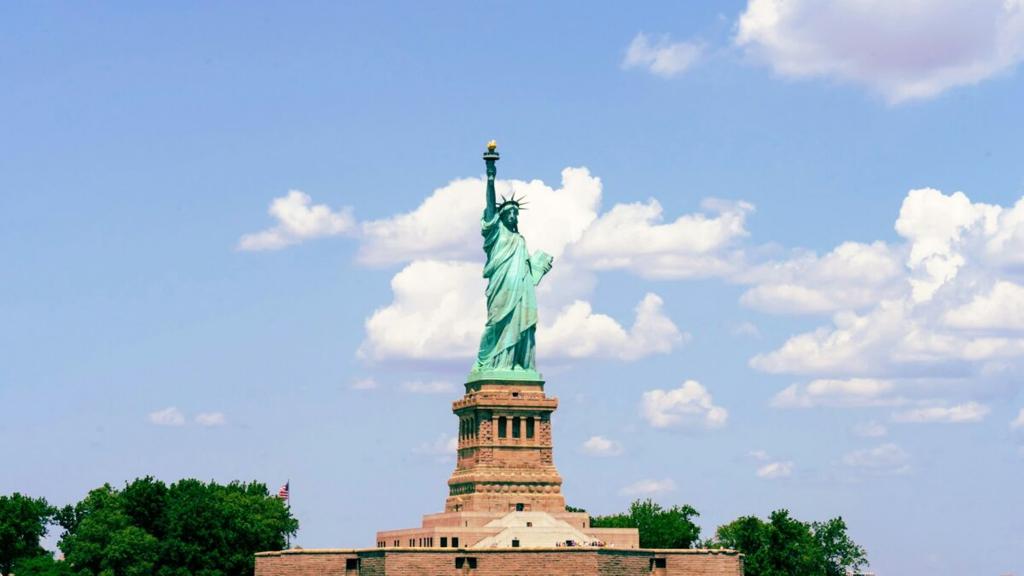
A recent Gallup poll indicates that only 14 percent of Democrats describe themselves as "extremely proud" to be American. This statistic marks a significant decline in national pride as the nation approaches its 250th anniversary in 2026. The findings underscore a widening partisan divide, with 70 percent of Republicans expressing similar pride, resulting in a notable 56-point gap between the two parties. This disparity highlights a growing polarization in how Americans perceive their national identity based on political affiliation.
The data reflects a troubling trend in national sentiment. Following the September 11 attacks in 2001, national pride surged, with 65 to 70 percent of respondents reporting extreme pride in their country through 2004. However, since 2018, that number has consistently fallen below half, raising questions about the factors contributing to this decline in national pride among different political groups.
Partisan Divide in Patriotism
The stark contrast in feelings of national pride between Democrats and Republicans highlights a growing partisan divide. In this year's poll, 70 percent of Republicans reported being "extremely proud" of their country, while only 14 percent of Democrats felt the same way. This gap is the largest recorded by Gallup, suggesting that political affiliation increasingly influences perceptions of national identity and pride.
Critics argue that media narratives and political rhetoric may contribute to this decline in pride among Democrats. For instance, a recent tweet from The Seattle Times noted mixed feelings among some Seattle soccer fans about supporting the U.S. Men's National Soccer Team during the FIFA World Cup. These fans cited President Donald Trump's actions as a factor influencing their sentiments. This sentiment prompted backlash from conservative commentators who viewed it as indicative of a broader trend of diminishing national pride among Democrats, further fueling the partisan divide.
Events Reflecting National Sentiment
The divide in national pride is also evident in the participation of states in national events. At the Great American State Fair in Washington, D.C., at least nine Democrat-led states opted not to set up booths, with some citing financial reasons for their absence. Massachusetts Governor Maura Healey criticized Trump, claiming he was attempting to profit from the fair. However, the organization behind the event, Freedom 250, stated that there is no cost for states to participate, suggesting that the decision not to attend may be politically motivated rather than financially driven.
In contrast, states that did participate showcased their culture and history through engaging exhibits and activities. For example, West Virginia featured karaoke and a car-racing game, while Ohio distributed free candy and stickers to attendees. The absence of booths from certain states drew attention, as they were represented only by a simple canvas with the state's name, further illustrating the divide in participation and sentiment.
Historical Context of National Pride
Historically, patriotism in the United States has not been strictly partisan. A Gallup poll from 2001 found that 64 percent of Republicans and 54 percent of Democrats identified as highly patriotic. While Republicans have consistently reported higher levels of patriotism, the recent decline among Democrats appears to be a more recent development, reflecting changing attitudes over the past few years.
Demographic factors also play a role in these sentiments. Women and minorities, groups that tend to lean Democratic, reported lower levels of national pride compared to men and white adults, who expressed higher levels of pride. This demographic divide raises questions about the underlying causes of declining patriotism and how it may affect future political landscapes and electoral outcomes.
As the nation prepares to celebrate its 250th anniversary, these findings prompt reflection on the state of national identity and pride. While some may attribute the decline in national pride to political leadership and media narratives, others argue that the complexities of modern society and differing values contribute to these sentiments. Supporters of the current administration have not publicly addressed the criticisms regarding national pride, leaving questions about how these sentiments will evolve leading up to the anniversary and beyond. The future of national pride in America remains uncertain, as the nation grapples with its identity in a politically charged environment.