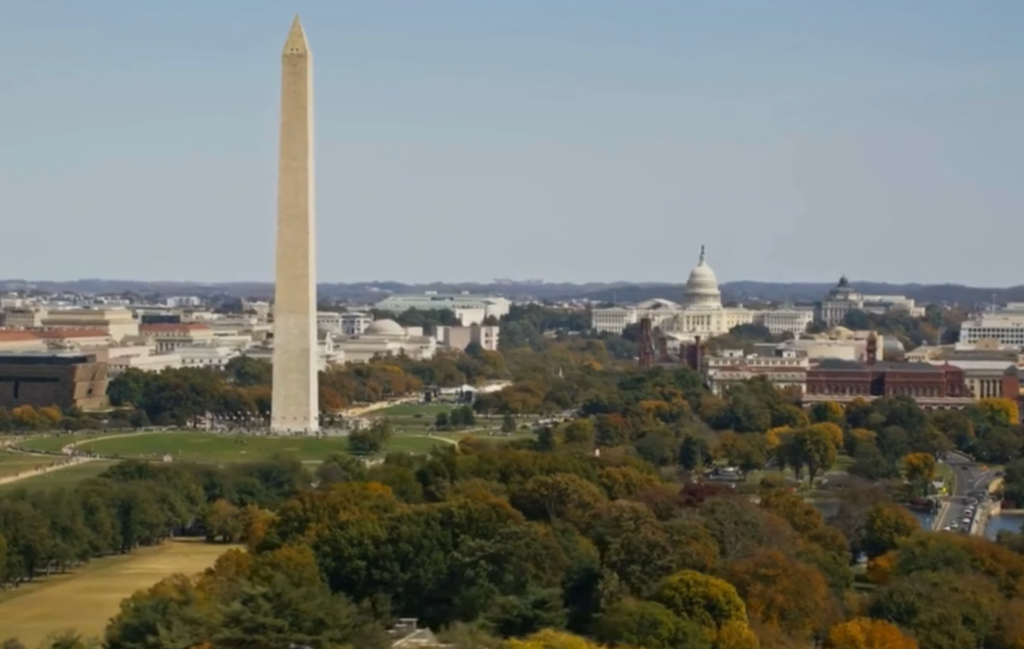
Freedom 250 has officially revealed its lineup for The Great American State Fair, an event set to take place on the National Mall in Washington, D.C. This celebration is intended to mark America’s 250th birthday. However, the announcement has ignited a debate regarding the quality and relevance of the performers chosen for this significant occasion. Many observers are questioning why more prominent celebrities did not participate in this national milestone event.
The core tension surrounding the lineup lies in the perceived lack of enthusiasm from mainstream artists to engage in celebrating a significant national milestone. This raises concerns about the cultural divide that exists in America today. Critics argue that the event's lineup reflects a broader disconnect between popular culture and patriotic sentiment, suggesting that many artists may not feel aligned with the themes of national pride and celebration.
The current lineup includes artists such as Martina McBride, Young MC, C+C Music Factory, Vanilla Ice, and Milli Vanilli. However, within just 24 hours of the announcement, both Morris Day and The Time and Young MC withdrew from the event. Young MC cited the “politically charged” nature of the celebration as a reason for his decision to step back from participation.
Criticism of the Lineup
Critics have expressed disappointment over the selection of performers, suggesting that the event could have featured more relevant and contemporary artists. One commentator remarked, “It’s a national embarrassment that not a single modern, mainstream celebrity can be bothered to celebrate America’s 250th birthday.” This sentiment highlights a perceived failure to attract A-list talent, which some believe reflects a broader cultural trend of disengagement from patriotic celebrations.
The Freedom 250 event is organized as a public-private partnership with the White House Task Force 250 and other federal entities, aiming to coordinate the festivities for this milestone. However, the choice of performers has led to questions about the event's significance and the willingness of celebrities to engage with patriotic themes, particularly under a Republican administration. This situation has led to a growing discourse about the intersection of politics and entertainment.
The Cultural Divide
Supporters of the event argue that it provides a platform for diverse musical acts, regardless of their mainstream popularity. They contend that the inclusion of lesser-known artists can still contribute to a rich and varied celebration. However, critics assert that the absence of well-known artists indicates a reluctance among celebrities to participate in events associated with the current administration. The commentary suggests that many artists may fear backlash for aligning themselves with a Republican-led celebration, which could impact their public image and career.
The commentary further states, “If big-name celebrities aren’t willing to honor our country, then the Trump administration should have made the effort to find normal people who would.” This perspective underscores a desire for a more inclusive representation of American talent, particularly those who may hold conservative values and feel sidelined in the current cultural landscape.
Historical Context
The upcoming celebrations for America’s 250th birthday are being compared to the Bicentennial in 1976, which featured a more unified and enthusiastic display of patriotism. Observers note that the cultural landscape has shifted significantly since then, with a growing divide between popular culture and national pride. The commentary reflects a longing for the days when civic pride was more readily embraced across the entertainment industry, suggesting that the current climate may not foster the same spirit of unity.
As the Fourth of July approaches, the Freedom 250 event aims to remind Americans of their shared history and the importance of patriotism. However, the criticism surrounding the lineup raises questions about whether the event will resonate with the public or merely serve as a reflection of the current cultural climate, which is marked by division and differing values.
In conclusion, the Freedom 250 event's lineup has sparked significant debate about celebrity participation in national celebrations and the broader implications for American culture. As the nation prepares to mark this important milestone, the conversation continues about the role of entertainment in shaping perceptions of patriotism and national identity. The outcome of this event may serve as a barometer for the current state of American cultural engagement with its own history and values.