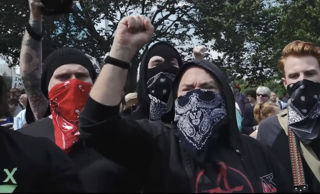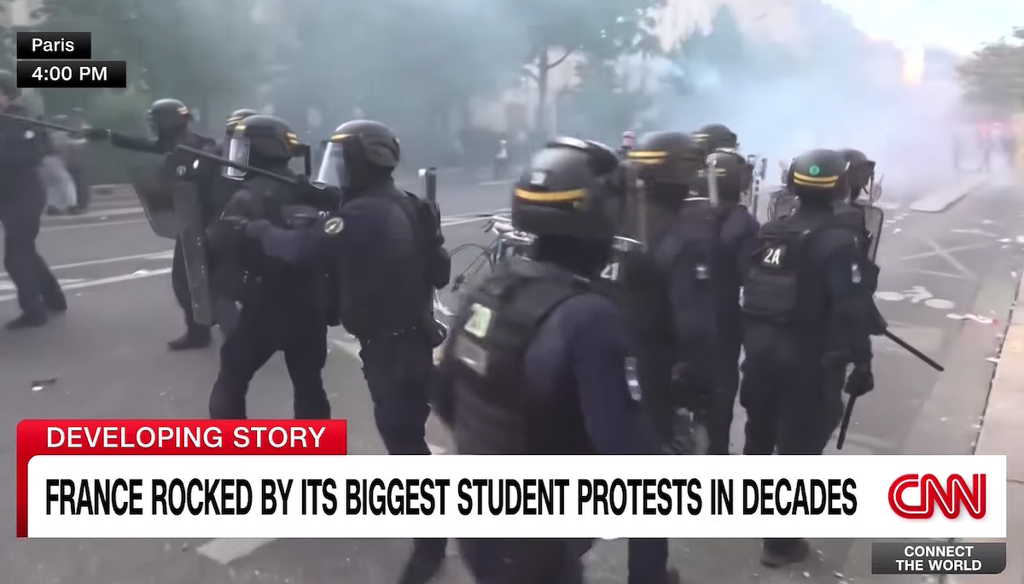
Riots that began in the suburbs of Paris last week have rapidly spread to major French cities, including Marseille, Lyon, Dijon, Lille, Bordeaux, Nantes, and Strasbourg. Authorities have attributed the unrest to a coalition of left-wing activists and second- and third-generation immigrants from Africa and the Middle East. The violence has intensified debate over the impact of mass immigration and multicultural policies, as both French and British leaders move to impose tighter restrictions on speech and public discourse.
Explainer Free Speech Battles: Navigating Rights and Censorship in Modern Society
The unrest, described by some as an 'intifada,' has seen groups attack police, firefighters, and teachers, as well as burn schools and public buildings. Protesters have waved Palestinian and Algerian flags and chanted pro-Hamas slogans. French authorities have linked the organization of the riots to proxies of Jean-Luc Mélenchon’s far-left party, La France Insoumise (LFI). Mélenchon, who is running for president, has publicly supported the unrest, with LFI politicians reportedly appearing at barricades, though the party denies fomenting violence.
French President Emmanuel Macron has responded by calling for increased state oversight of online content. He has advocated for state-funded fact-checkers and urged more forceful use of the EU’s Digital Services Act to regulate speech. Macron has argued that freedom of expression must exist within a 'common framework' managed by the state, comparing limits on speech to prohibitions on assault or destruction of property.
"Freedom is a privilege granted to individuals by the state, which defines the range of acceptable discourse in accordance with 'public order.'"
— Emmanuel Macron, French President
Macron’s remarks have sparked debate about the balance between civil liberties and public order. Supporters of the president’s approach argue that tighter controls are necessary to prevent the spread of hate speech and disinformation, especially during periods of unrest. Critics, however, warn that such measures risk eroding traditional freedoms and could set a precedent for broader restrictions on dissent.
British Response and Speech Controls
In Britain, Prime Minister Andy Burnham has announced the creation of the National Centre for Information Defence, a new government body intended to counter Russian disinformation and 'far-right narratives.' The government says the centre will monitor online activity and coordinate responses to what it considers harmful content. Authorities have reportedly arrested citizens for online speech deemed to violate harassment or incitement laws, a move that some critics liken to a censorship regime. The government maintains that these measures are necessary to protect public safety and social cohesion.
Officials from both governments have defended their actions as necessary responses to rising unrest and external threats. They argue that the proliferation of online misinformation and hate speech can fuel violence and undermine public trust in institutions. The British government, in particular, has emphasized the need to counter foreign influence campaigns and prevent the spread of extremist content.
Ongoing Debate Over Multiculturalism and State Authority
The pattern of unrest and government response in France and Britain has fueled criticism from commentators who argue that mass immigration and multiculturalism are driving both social tensions and a shift toward more authoritarian governance. They claim that managing unassimilated ethnic and religious communities requires measures incompatible with traditional civil liberties. Some observers suggest that the need to maintain public order in increasingly diverse societies is prompting governments to adopt policies that restrict individual freedoms.
Supporters of the new policies contend that tighter controls are needed to maintain public order and protect citizens from hate speech and disinformation. They point to the recent violence as evidence of the dangers posed by unchecked online activity and the spread of extremist narratives. Officials have stated that their actions are proportionate and targeted, aimed at preventing further unrest and ensuring the safety of the public.
The debate over multiculturalism and state authority continues as French cities remain on alert and British authorities expand monitoring of online discourse. Mélenchon’s presidential campaign and the implementation of new speech regulations are expected to remain focal points in the coming months. The situation remains fluid, with both governments facing ongoing scrutiny over the balance between security and civil liberties.