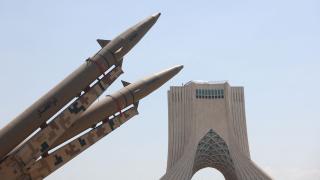
President Donald Trump said Thursday he is weighing a major decision on the future of the war with Iran, as gas prices continue to climb and the conflict remains unresolved. The president’s deliberation comes at a time when the outcome of the war is uncertain, with some officials warning of a stalemate and the possibility of renewed combat if no agreement is reached in the near future.
Trump’s remarks highlight the broader challenge facing U.S. policymakers as the war’s economic impact, particularly on energy prices, becomes a central issue ahead of the November midterm elections. The rising cost of gasoline has become a key concern for American consumers, and the issue is increasingly shaping the political landscape as voters prepare to head to the polls.
Trump’s Comments and Upcoming Meetings
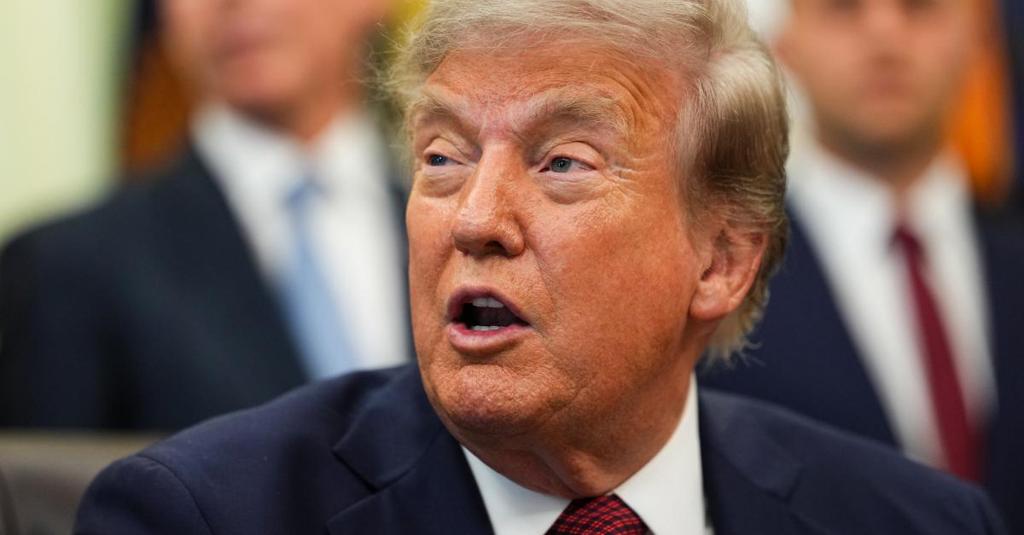
Speaking to Axios, Trump said, “I have a big decision coming up. Do I want to go in and annihilate them [the Iranian regime] or do I not? It’s a big decision. Anything could happen with me.”
The president also noted plans to meet next week with leaders from six Persian Gulf nations—Saudi Arabia, the United Arab Emirates, Qatar, Bahrain, Kuwait, and Oman—on the sidelines of the United Nations General Assembly in New York. “I want to find out where they are and how they are doing. We have been very protective of them,” Trump said, emphasizing the importance of U.S. alliances in the region.
“Not one ship has gone to Iran since we started. They tried and we blew them up.”
— Donald Trump, President
These meetings are expected to focus on regional security, energy markets, and the ongoing confrontation with Iran. The Persian Gulf states have been key partners in the U.S. strategy to contain Iran, and their cooperation is seen as vital to maintaining the naval blockade and broader sanctions regime.
Economic and Political Pressures
The ongoing war has contributed to a spike in gas prices, intensifying pressure on Republican candidates as affordability becomes a key voter concern in the upcoming midterms. The economic impact of the conflict is being felt across the country, with many Americans facing higher costs at the pump and increased prices for goods and services linked to energy costs.
Trump has recently stated that the war will end soon, but other officials and observers have cautioned that the situation appears to be at a stalemate. Some U.S. officials, cited by Axios, warn that Trump may consider resuming major combat operations after the midterms if a deal is not reached by then. This uncertainty has added to the anxiety among both policymakers and the public, as the prospect of renewed fighting could further disrupt global oil supplies and drive prices even higher.
The political stakes are high for the administration, as the outcome of the conflict and its economic fallout could influence voter sentiment. Republican candidates are facing tough questions about the administration’s handling of the war and its impact on everyday Americans. At the same time, Democrats have seized on the issue to criticize the White House’s approach, arguing that the conflict has hurt U.S. consumers and strained international alliances.
Naval Blockade and Negotiation Efforts
Trump expressed satisfaction with the U.S. naval blockade, claiming it has prevented Iran from exporting oil. He said, “Not one ship has gone to Iran since we started. They tried and we blew them up.” The blockade has been a central element of the administration’s strategy to pressure Iran economically and force it to the negotiating table.
The president also reiterated that Iran “really wants to make a deal,” though he did not explain why a new agreement would be more durable than the Memorandum of Understanding signed in June. Trump declined to say whether his decision on the conflict’s next steps would come before or after the midterm elections, leaving open the possibility of further escalation or a diplomatic breakthrough in the coming weeks.
While critics question the effectiveness of negotiating with only one faction of the Iranian government, Trump has not addressed these concerns directly. Some analysts argue that engaging with a broader range of Iranian actors could lead to a more sustainable resolution, while others believe the current pressure campaign is the best way to achieve U.S. objectives.
Supporters of the administration argue that the blockade and pressure campaign have limited Iran’s options and forced its leaders to consider concessions. They point to the lack of Iranian oil exports as evidence that the strategy is working, even as critics warn of the risks of prolonged confrontation and the potential for unintended consequences.
As Trump prepares for high-level meetings with regional leaders and weighs his next move, the future of the conflict remains uncertain. The decisions made in the coming weeks could have lasting implications for U.S. foreign policy, the global energy market, and the political landscape at home.