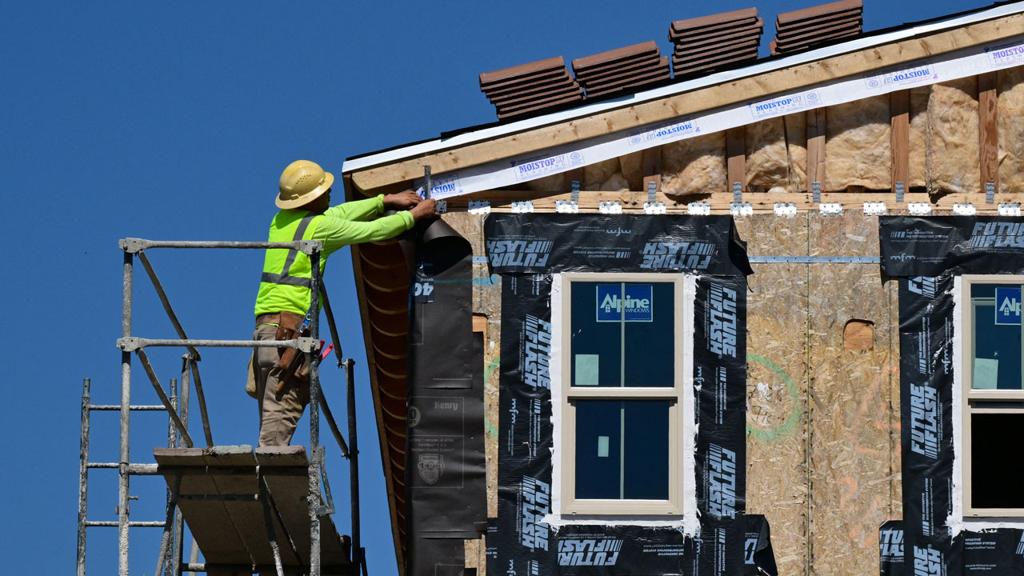
Regulatory requirements and tariffs are adding significant costs to new homes in the United States, with the National Association of Home Builders estimating government regulations now contribute $131,734 to the price of the average new home. The figure represents more than a quarter of the total cost paid by buyers, according to a June calculation by the association.
The rising cost of homeownership has become a central issue as Americans face higher mortgage rates and increased material prices, with industry groups and some policymakers pointing to government actions as a key driver.
Over the past decade, changes to building codes alone have added $40,288 to the average new home price, up from $24,144 five years ago. Every three years, committees rewrite the model building codes, and industry observers note that the codes consistently grow longer and more complex, rarely removing requirements.
Building Code Changes and Costs
Each new code cycle introduces additional mandates, such as thicker insulation, specialty electrical breakers, and mechanical ventilation systems. While these measures are often justified on safety or efficiency grounds, critics argue that the cumulative effect is to price out potential buyers, particularly first-time homeowners. The National Association of Home Builders' estimate attributes $40,288 of the regulatory cost increase to code changes made in just the past decade.
Some states, including Nebraska, Iowa, and Indiana, have opted not to adopt certain expanded requirements from the 2023 electrical code. For example, North Carolina's fiscal analysis found that a standard two-pole breaker for an electric range costs about $17, while the ground-fault version now required by the latest code costs about $112. However, it remains uncommon for states to reject new code mandates.
A study funded by code writers and the insurance industry found that home prices did not rise after most code adoptions, but industry groups and homebuyers point to the immediate impact on down payments and monthly costs. "A family buying a home needs the down payment today, not utility savings in a decade," the article notes.
Tariffs and Material Prices
President Donald Trump's tariffs on imported steel and aluminum have been set at 50% since June 2025, while imported softwood lumber faces a 10% tariff and Canadian lumber carries roughly 35% in additional duties. Canada supplies about three-quarters of U.S. softwood lumber imports. UBS estimates these tariffs add $7,913 to the cost of a new home, while a survey of builders puts the figure as high as $10,900. Although the Supreme Court struck down a portion of the president's tariffs earlier this year, the tariffs on steel, aluminum, and lumber remain in effect under a separate statutory authority.
Ready-mix concrete and concrete block prices are also near their highest levels since the pandemic, with demand driven in part by data center construction for companies like Amazon, Meta, and Microsoft. The American Cement Association reports that a significant share of ready-mix volume this year is tied to artificial intelligence-related projects.
Interest Rates and Policy Responses
Rising interest rates have compounded the affordability challenge. Freddie Mac's average 30-year mortgage rate was 7.18% last week, nearly a full point higher than a year ago. At that rate, the $40,288 in code changes over the past decade adds about $270 to a monthly payment and nearly $100,000 over the life of the loan.
While Congress and the president have the authority to end tariffs on building materials, and states can adopt codes with fewer costly mandates, such actions are rare. The article argues that policymakers could require cost analyses that consider the impact on buyers and sunset requirements that have not proven their worth. "The parts of the problem Republicans can actually fix are the parts they keep letting bureaucrats make worse," the article states.
Supporters of current regulations and tariffs argue that many provisions improve safety and energy efficiency, and that some energy-related code changes pay for themselves over time through lower utility bills. However, the immediate impact on affordability remains a concern for many buyers and builders.