Republican setbacks in the 2026 elections have significantly shifted the landscape for the party’s 2028 presidential primary, reducing President Donald Trump’s dominance and creating new opportunities for other contenders, including outgoing Florida Gov. Ron DeSantis.
Explainer Campaign Finance Laws and Enforcement: Protecting Electoral Integrity in America
The GOP’s poor performance in 2026 has raised doubts about the value of Trump’s endorsement and the viability of his preferred successor, Vice President JD Vance, in the next presidential race. For years, President Trump has been the central figure in Republican politics, with many expecting him to determine the party’s next nominee. Vice President Vance was widely seen as the leading candidate due to his position and alignment with Trump’s approach, while Secretary of State Marco Rubio also gained attention for his work at the U.S. Agency for International Development and foreign policy efforts.
Impact of 2026 Election Results
The recent election results were described as a "stunning rebuke" of President Trump, who had urged voters to "pretend, please, that I’m on the ballot." The GOP lost ground not only to energized Democrats but also in states long considered Republican strongholds, including Iowa, Ohio, Kansas, South Carolina, and Texas. These losses have been interpreted as a sign that Trump’s influence over the party may be waning, especially in regions where Republicans have traditionally performed well.
Trump’s approval rating is reported as 20 points underwater, a significant drop that has led to questions about whether being his chosen successor is now a liability for candidates in a general election. The party’s losses have prompted Republican strategists and elected officials to reconsider the wisdom of closely aligning with Trump or relying on his endorsement to secure victory in future races.
New Opportunities for DeSantis
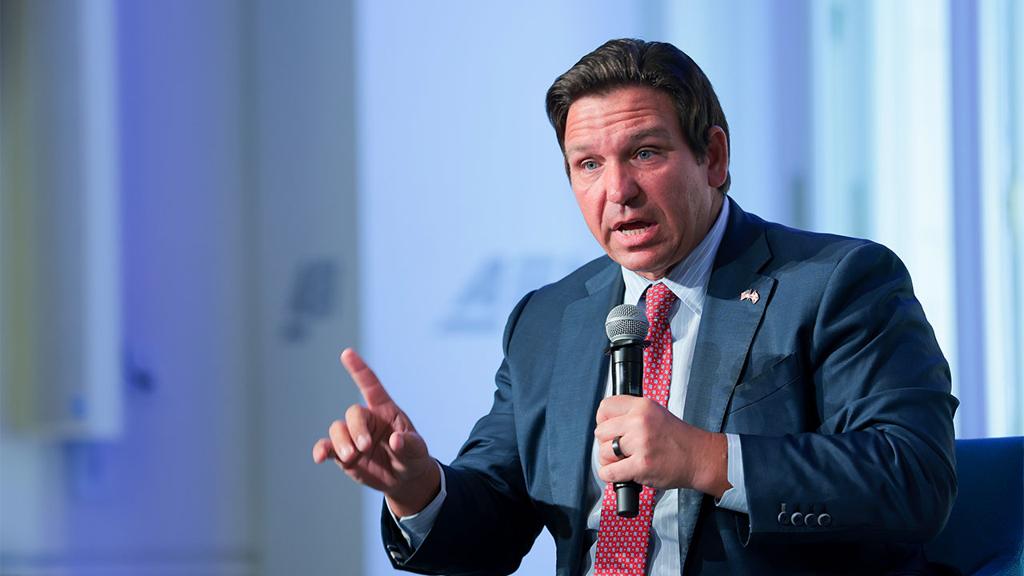
The election outcome has created an opening for other Republican leaders to emerge as serious contenders for the 2028 nomination. Outgoing Florida Gov. Ron DeSantis is now seen as a top contender. Over the past eight years, DeSantis has enacted major tax cuts, reduced state debt, signed a ban on gender-mutilation surgeries for minors, and promoted parental rights. Florida’s economy and population have grown during his tenure, bolstering his reputation as an effective conservative governor.
DeSantis is credited with transforming Florida from a swing state into a reliably Republican state, as shown by the party’s strong performance in the latest election, including the election of a new Republican governor and success in down-ballot races. This shift has been cited by supporters as evidence of DeSantis’s political skill and ability to broaden the party’s appeal.
DeSantis has recently called for a ban on congressional stock trading, extending the restriction to the executive branch. He has argued that such measures are necessary to restore public trust in government and prevent conflicts of interest.
"I’ve never traded a stock since I’ve been in elected office. How do you have no investment acumen, and then all of a sudden get elected to Congress, and then you’re outperforming Warren Buffett?"
— Ron DeSantis, outgoing Florida governor
He has also argued that Republicans must offer a "clear contrast between freedom and socialism" and has criticized crony capitalism, positioning himself as a candidate focused on economic freedom and government accountability.
Stakes for the GOP and Democrats
The stakes for both parties in the coming years are high. The article notes that Democrats have signaled plans to reshape American institutions if they maintain control, including possible Supreme Court expansion and adding states to secure Senate majorities. Supporters of these proposals argue they are necessary to defend democracy, while critics say they are attempts to entrench power. These debates are likely to shape the political environment leading into the 2028 presidential race.
While DeSantis’s previous presidential bid was unsuccessful, the current environment may give him a stronger chance. The Iowa caucuses remain far off, and President Trump is expected to continue playing a significant role in party politics. However, DeSantis’s record and recent statements suggest he is seriously considering a run for the presidency. His supporters believe that his policy achievements and ability to win in a large, diverse state could make him a formidable candidate in a crowded primary field.
As the Republican Party assesses its path forward after the 2026 losses, the 2028 primary is shaping up to be more open than in previous cycles. The diminished influence of Trump’s endorsement, the emergence of new contenders like DeSantis, and the evolving priorities of Republican voters are all factors that will likely define the next presidential nomination contest.