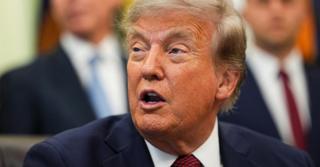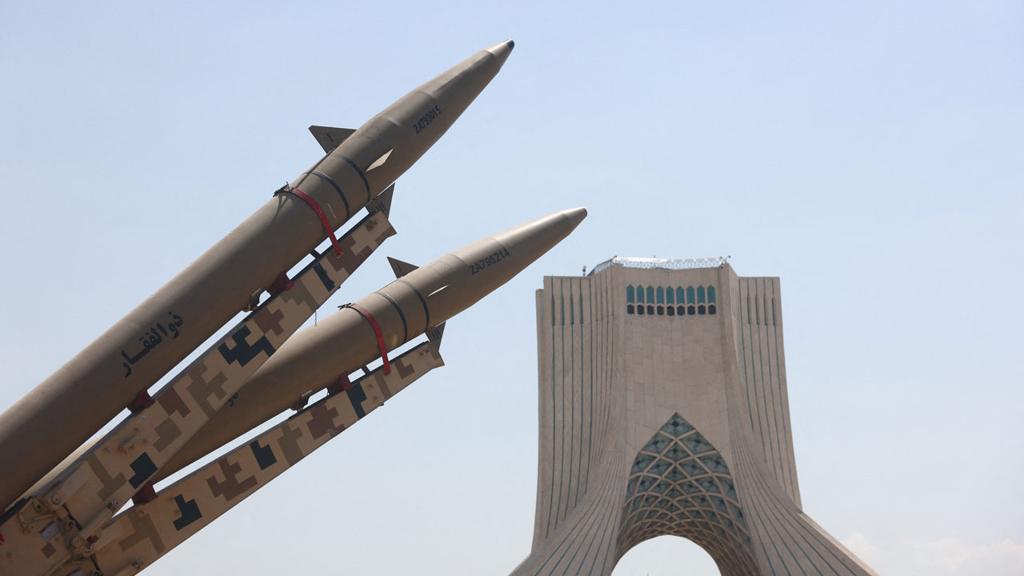
President Donald Trump announced he will postpone a planned U.S. military strike on Iran, citing requests from Iran and unnamed Middle Eastern countries for additional time to negotiate a deal aimed at ending Iran’s nuclear threat and fully reopening the Strait of Hormuz. The decision marks a significant pause in escalating tensions and comes as the U.S. and Israel weigh both military and diplomatic options to curb Iran’s nuclear ambitions, with global energy markets and regional security hanging in the balance.
The standoff follows five months of heightened conflict in the region. During this period, Iran has largely closed the Strait of Hormuz—a strategic waterway through which about 20% of the world’s oil and liquefied natural gas (LNG) shipments previously passed. The disruption has driven up global energy prices and contributed to rising inflation, intensifying economic and political pressure on all sides to find a resolution.
Trump made his announcement late Saturday on his Truth Social platform, stating that he agreed to cancel the attack "for the future benefit of the WORLD and, likewise, the survival of a successful and prosperous Iran," provided that a deal can be reached quickly. The president’s statement reflects an effort to balance the need for security with the desire to avoid further conflict and economic disruption.
Trump’s Announcement and Diplomatic Push
According to Trump, Iran and other Middle Eastern countries requested time to finalize a deal that would result in the "Immediate, Complete and Total" reopening of the Strait of Hormuz and an end to Iran’s nuclear ambitions. While Trump did not specify which countries made the request, his statement followed a call with Saudi Crown Prince Mohammed bin Salman. Saudi Arabia’s state news agency reported that the crown prince emphasized the "necessity of prioritising dialogue to de-escalate tensions" in the region, highlighting the broader regional desire to avoid war and restore stability.
"Based on this request, I have agreed, for the future benefit of the WORLD and, likewise, the survival of a successful and prosperous Iran, to cancel the attack, subject to being able to rapidly make a DEAL."
— Donald Trump, President of the United States
Trump also noted that Israel "joins me in this commitment," signaling close coordination between Washington and Jerusalem on the issue. A White House official confirmed the call with the Saudi crown prince but did not provide further details about the discussions or the specific terms being considered for a potential agreement.
Regional Responses and Security Concerns
Eli Cohen, Israel’s energy minister and a member of Prime Minister Benjamin Netanyahu’s security cabinet, said Israel and the U.S. are closely coordinating on security and intelligence in the region. Cohen warned that Israel remains prepared to act independently if necessary. "With or without an agreement, and regardless of any external commitments, if Iran attempts to renew its nuclear program or advance its ballistic missile industries, we will be there. We will take action, and we will strike," Cohen stated, underscoring Israel’s longstanding policy of preventing Iran from acquiring nuclear weapons capabilities.
Iran’s acting defense minister, Brigadier General Majid Ebn Al-Reza, responded on state-run Press TV, describing recent U.S. threats as "psychological and cognitive warfare." However, he indicated that Tehran is taking the situation seriously and will increase its preparedness and deterrence to avoid being caught off guard by any potential military action. The rhetoric from both sides highlights the ongoing risk of miscalculation and the fragile nature of the current pause in hostilities.
Energy Markets and Broader Impact
The partial closure of the Strait of Hormuz has had a significant impact on global energy markets. As the main maritime route for oil and LNG exports from the Gulf, the strait’s disruption has contributed to a sharp rise in energy prices. Following the breakdown of an April ceasefire last month, Brent crude futures surged by 24%. Analysts polled by Reuters expect prices to climb further this year if the strait remains closed or if tensions escalate.
Trump has argued that preventing Iran from acquiring nuclear weapons justifies the higher fuel costs, but the economic impact has increased political pressure on the administration to resolve the conflict. Rising energy prices have fueled inflation in the U.S. and abroad, adding urgency to diplomatic efforts.
Meanwhile, Iran’s Houthi allies in Yemen have threatened the Bab el-Mandeb strait, another critical maritime route for Saudi oil exports. The United Kingdom Maritime Trade Operations reported two maritime incidents off the coast of Oman on Saturday: one tanker was hit by an unknown projectile, damaging its engine room, while another vessel reported an explosion nearby, though it suffered no damage. These incidents underscore the broader risks to regional shipping and energy security.
Negotiations and Next Steps
At a cabinet meeting on Friday, Trump expressed confidence that U.S. negotiators—including Jared Kushner, special envoy Steve Witkoff, and Secretary of State Marco Rubio—could secure a deal with Iran. The president and Israeli Prime Minister Netanyahu met in Washington earlier in the week to discuss a range of options, from diplomatic engagement and economic pressure to the possible use of military force.
Tehran continues to deny that it is seeking nuclear weapons, maintaining that its nuclear program is for peaceful purposes. However, the international community remains skeptical, and the U.S. and Israel have repeatedly stated that they will not allow Iran to develop a nuclear arsenal.
As negotiations proceed, the coming days will be critical in determining whether a diplomatic breakthrough can be achieved to reopen the Strait of Hormuz and address the nuclear issue, or whether the region will slide back toward confrontation.