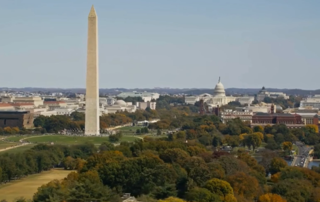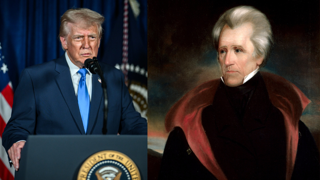
As the United States approaches its 250th anniversary in 2026, a growing debate has emerged regarding how to commemorate the milestone. Critics argue that the celebration should not ignore the nation’s historical injustices, particularly regarding slavery and racism, while others emphasize the need to honor the principles of liberty and self-governance that the country represents.
The core tension lies in whether the upcoming celebration will serve as a moment of national pride or a platform for self-criticism. Many voices from academia and activist organizations are advocating for a more critical approach to the nation’s history, suggesting that the anniversary should prompt a reckoning with America’s past.
This sentiment was echoed by Ali Velshi, a journalist and commentator, who expressed his discomfort with the celebrations. "I feel a deep unease about the celebrations to which I am invited to mark the 250th anniversary of our so-called democracy," Velshi said, highlighting concerns about the nation’s failure to fully confront its racist past.
Calls for Reckoning
Organizations such as the NAACP Legal Defense Fund have called for a reimagining of the nation’s identity, urging a collective effort to create a multiracial democracy where dignity is prioritized. They stated, "This critical moment calls us to collectively envision and create a new chapter." Similarly, the Harvard Kennedy Carr-Ryan Center for Human Rights has pointed out the irony of America’s role in the international human rights system while denying rights to many of its own citizens.
Activist groups are also planning events to coincide with the anniversary, including a protest in Washington, D.C., on June 27. These organizations intend to challenge traditional narratives surrounding the Declaration of Independence and advocate for progressive causes such as abortion rights and climate action.
Historical Context and Criticism
Critics of this critical approach argue that it undermines the achievements of the nation and its founders. TIME Magazine’s Jeffrey Bennett noted that the celebration should not glorify individuals who participated in slavery, citing figures like Caesar Rodney, a slaveowner who played a pivotal role in the Continental Congress. Bennett argued that America’s 250th should not become an active celebration of those who enslaved others.
This perspective raises questions about how historical figures should be judged. Some historians, like Donald Yacovone, have characterized the founding fathers as products of their time, suggesting that their actions should be viewed through a contemporary lens. Yacovone stated, "When he wrote those famous words in the Declaration of Independence he thought only of white men."
However, supporters of a more traditional celebration argue that the principles established by the founders laid the groundwork for future progress, including the abolition of slavery. They contend that recognizing the complexities of history does not necessitate a rejection of national pride.
Declining Patriotism
The debate over the 250th anniversary is occurring against a backdrop of declining patriotism in the United States. A Gallup poll from June 2025 revealed that only 58% of adults expressed being "extremely" or "very proud" to be American, a record low. The divide is particularly pronounced along party lines, with only 36% of Democrats feeling this way compared to 92% of Republicans.
This decline in national pride has been attributed to cultural and educational narratives that emphasize America’s flaws over its achievements. An Education Next survey found that over one-third of students reported being taught that America is fundamentally racist, reflecting a broader trend in educational curricula influenced by critical race theory and similar ideologies.
While some argue that this critical perspective is necessary for progress, others believe it fosters a sense of shame about the nation’s history. They assert that a balanced view of American history should acknowledge both its shortcomings and its successes, promoting a healthy sense of patriotism.
As the nation prepares for its 250th birthday, the discussions surrounding the celebration highlight a significant divide in American society. Whether the anniversary will be marked by pride or critique remains to be seen, but it is clear that the conversation about the nation’s identity and history is far from settled.