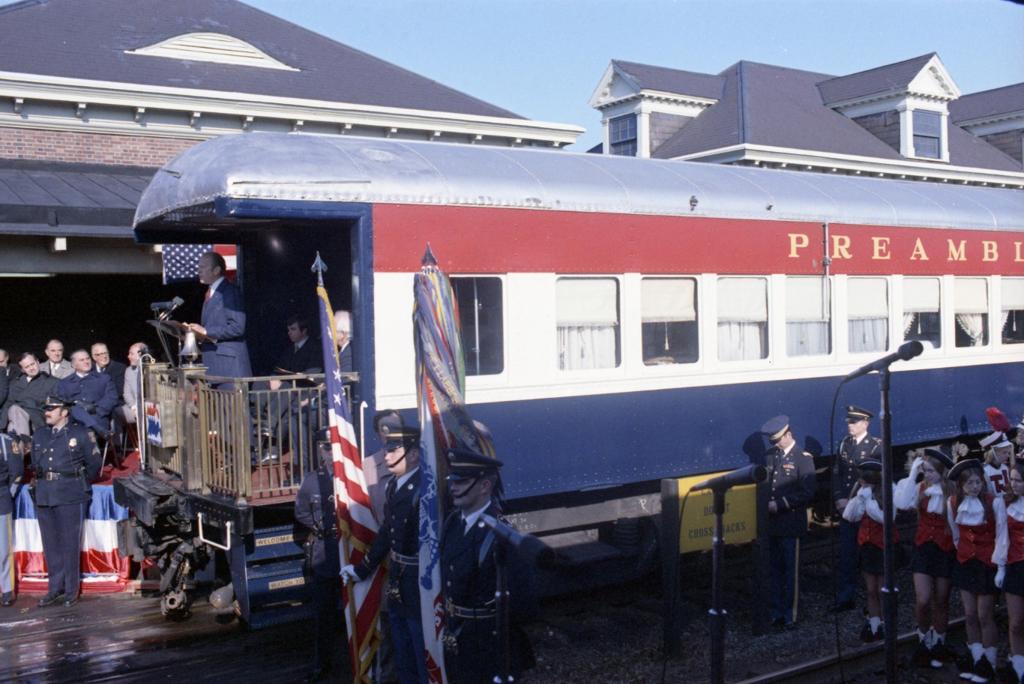
The American Freedom Train, a planned celebration for the 250th anniversary of American independence, is seeking approval from Amtrak to travel across the country starting in October. This initiative aims to honor the nation’s history and heroes, reminiscent of the original Freedom Train that toured during the Bicentennial in 1976. The original train was a significant event that drew large crowds and fostered a sense of unity amid a turbulent period in U.S. history. John Warner, who led the Bicentennial committee, described the train as “certainly the most visible and national” of all celebrations, helping to connect local festivities across the country.
The core tension lies in whether Amtrak will allow the train to operate, as its approval is crucial for the train to gain the necessary insurance coverage to run on its tracks. Without this agreement, the train's journey, which aims to unite Americans in celebration, could be jeopardized. The Freedom Train is intended to serve as a symbol of national pride and unity, drawing on the historical significance of the original event.
Modern Challenges
Today, the landscape has changed significantly, with increased bureaucratic hurdles and a more litigious society complicating similar efforts. The current organizers of the Freedom Train argue that the spirit of the original event is still relevant, especially as the nation faces challenges reminiscent of the 1970s, including social unrest and economic difficulties. Jeffrey H. Anderson, president of the American Main Street Initiative, emphasized the importance of honoring the nation’s history, stating, “America needs such a splendid celebration.” This sentiment reflects a desire among many Americans to reconnect with their heritage during a time of division.
To operate, the Freedom Train requires a charter services agreement with Amtrak, which would allow it to pay for the necessary insurance coverage. The organizers have proposed that they would provide all essential equipment, including steam locomotives and train cars, and would not disrupt Amtrak’s passenger service. They seek to move the train during non-peak hours, ensuring minimal impact on existing operations. This careful planning is intended to alleviate concerns about potential disruptions to Amtrak's regular schedule.
Potential Benefits for Amtrak
Supporters argue that allowing the Freedom Train to operate could benefit Amtrak by generating positive publicity and additional revenue. Each stop in a new town would serve as an opportunity for Amtrak to showcase its services and connect with communities. The train is expected to be a major highlight of the 250th anniversary celebrations, potentially drawing significant public interest and engagement. This could enhance Amtrak's reputation as a service that supports national initiatives and community events.
However, critics express concern that Amtrak’s bureaucratic processes may hinder the train’s operation. The current climate of risk aversion and legal concerns could prevent the Freedom Train from achieving its goal of fostering national unity through a shared celebration. If Amtrak declines to facilitate the train's journey, it could be seen as a missed opportunity to engage the public in a meaningful way, particularly during a milestone anniversary that calls for reflection and celebration of American values.
The Path Forward
As the planned launch date approaches, the future of the American Freedom Train remains uncertain. The organizers are hopeful that Amtrak will recognize the value of this initiative and allow it to proceed. If successful, the Freedom Train could serve as a powerful symbol of American history and resilience, echoing the sentiments of the original train that inspired a nation. The train's journey could become a unifying event, drawing people together to celebrate their shared heritage and the ideals of freedom and democracy.
In conclusion, Amtrak faces a pivotal decision that could either enhance the 250th anniversary celebrations or stifle a significant public initiative. The outcome will reflect not only on Amtrak but also on the broader ability of Americans to come together in celebration of their shared heritage. The stakes are high, and the decision will resonate beyond the tracks, influencing how Americans view their history and their future together.