In recent weeks, speculation surrounding the health of former President Donald Trump and the social media activities of California Governor Gavin Newsom have drawn attention to the coping mechanisms some Democrats appear to be employing as they navigate the political landscape leading up to the 2024 elections.
Explainer Election Integrity and Voter Access in California: A Complex Landscape
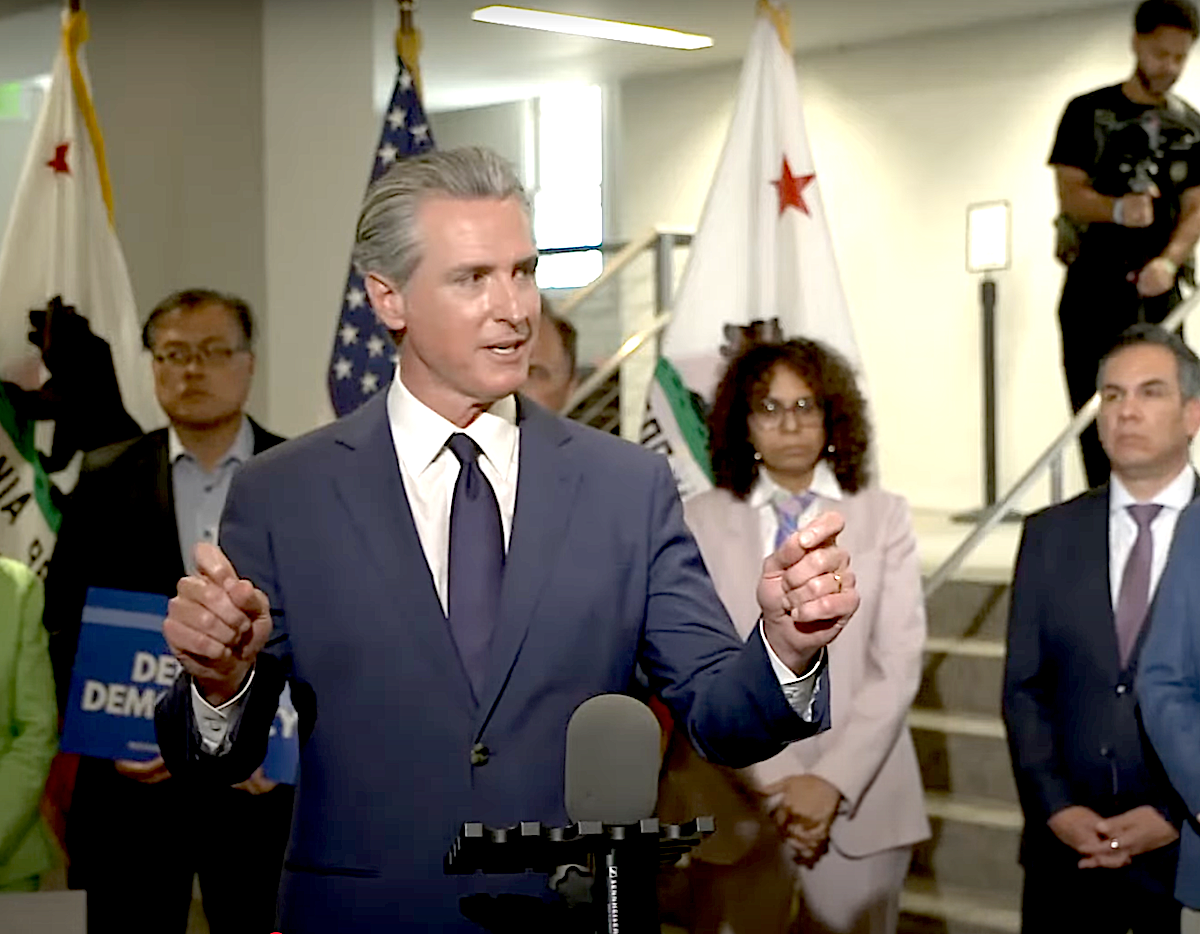
Governor Newsom has been active on social media, posting content that some supporters interpret as humorous jabs at Trump. However, critics argue that these posts lack substance and are merely attempts to distract from pressing issues. CNN described Newsom's tweets as a way of "owning the MAGAs," (Cnn) but many observers found them to be unoriginal and ineffective.
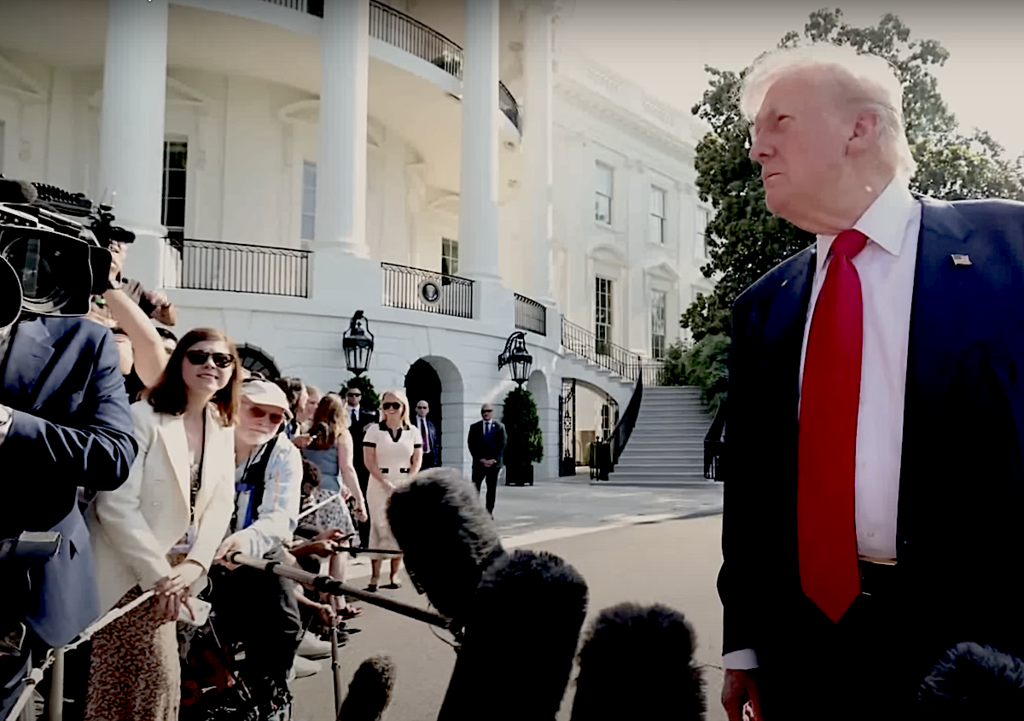
The political climate has been further complicated by rumors regarding Trump's health. Following a sparse public schedule over a recent holiday weekend, speculation surged online, with some influencers suggesting he may have died or was gravely ill. This narrative gained traction despite a lack of credible evidence.
Stephen Colbert, a prominent late-night host, addressed the rumors during a recent show, prompting boos from the audience when he confirmed that Trump was still alive. Colbert's reaction highlights the extent to which these conspiracy theories have permeated public discourse.
Katie Rogers, a reporter for the New York Times, noted the unusual fervor surrounding these health speculations, stating, "Mr. Trump’s critics have speculated about his health for as long as he has been in national politics." (Cnn) She added that the current wave of conspiracy theories is unprecedented.
Critics of this trend argue that it reflects a deeper issue within the Democratic Party, where some members may be relying on sensational narratives to cope with their political frustrations. "If a president’s barren schedule on a weekend were a national security imperative, Joe Biden would have been dogged for public health updates by the minute for all four years of his term," (Cnn) one analyst remarked, suggesting a double standard in media scrutiny.
Supporters of Newsom defend his social media presence as a necessary strategy to engage younger voters and counteract Trump's influence. They argue that humor can be an effective tool in political communication, even if it sometimes misses the mark.
As the 2024 election approaches, the reliance on speculative narratives and social media antics may continue to shape the political landscape. With both sides of the aisle engaging in their own forms of narrative-building, the question remains whether these strategies will resonate with voters or contribute to further polarization.
In the meantime, the political environment remains charged, with both Democrats and Republicans navigating a landscape filled with uncertainty and speculation. The effectiveness of these coping mechanisms will likely be tested as the election season unfolds.
The Bottom Line
- This piece presents analysis and viewpoint; cited evidence and opposing arguments are linked.
- Speculation about Trump's health has intensified, reflecting deep political anxieties as the 2024 elections approach.
- Newsom's social media strategy aims to engage younger voters, but critics question its substance and effectiveness.
- The rise of conspiracy theories about Trump highlights a troubling trend in political discourse and media scrutiny.