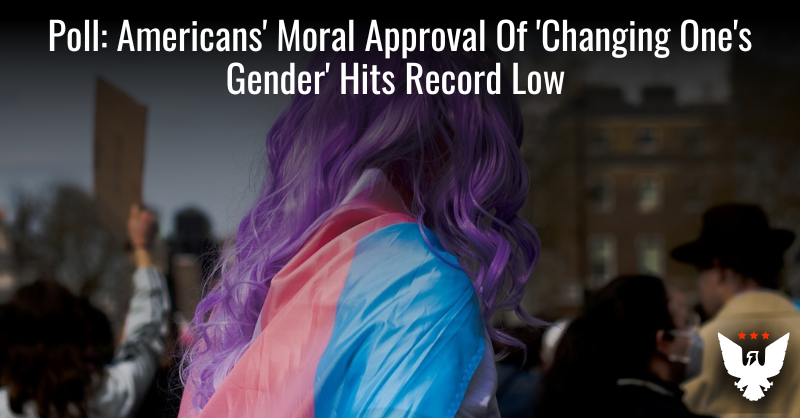
Only 38 percent of Americans now believe that changing one’s gender is morally acceptable, according to a recent Gallup poll. This figure represents a record low level of support for transgender ideology, with 57 percent of respondents indicating they find it morally wrong. The poll highlights a growing divide in public opinion on this contentious issue, particularly amid increasing scrutiny of transgender medical procedures for minors. This decline in acceptance of transgenderism reflects broader cultural tensions surrounding gender identity and medical interventions. Over the past five years, the share of Americans who find transgenderism morally acceptable has decreased by 8 points. The partisan divide is stark: 60 percent of Democrats support gender transitioning, while only 5 percent of Republicans do, illustrating a significant ideological split on this issue.
Backlash Against Transgender Medical Procedures
This shift in public sentiment follows a wave of backlash against transgender medical procedures, particularly surgeries for minors. Earlier this year, a New York jury awarded $2 million to a woman who underwent a double mastectomy at the age of 16. This case has drawn attention to the experiences of detransitioners—individuals who regret their surgeries and are increasingly speaking out about the long-term consequences of their decisions. Prisha Mosley, a detransitioner who began taking cross-sex hormones at 17, expressed her regret, stating, "I had my healthy breasts removed because I believed I was broken and that more medical procedures could fix me. Today, I live with the permanent consequences of those decisions." Her experience underscores the growing concerns about the impact of early medical interventions on young people, raising questions about the adequacy of informed consent processes for minors.
Legal Developments and Cultural Shifts
Legal developments have also influenced public opinion. In a significant ruling, the U.S. Supreme Court upheld a Tennessee law prohibiting surgical and chemical castration of minors, a decision that was seen as a setback for transgender activists. Associate Justice Clarence Thomas criticized the “expert class” for promoting transgender ideology under the guise of science, further fueling the debate surrounding the legitimacy and safety of such medical interventions. In response to these cultural shifts, the Trump administration has taken steps to reverse Biden-era policies that sought to expand transgender rights. This includes efforts to undo changes to Title IX that aimed to allow individuals to use facilities based on their gender identity, a move that has drawn both support and criticism from various groups across the political spectrum.
Broader Trends in Public Opinion
The Gallup poll findings align with other cultural trends indicating a shift toward conservative values, particularly among younger generations. Generation Z, raised during a time of heightened focus on diversity, equity, and inclusion, appears to be trending more conservative than previous generations. Support for other contentious issues, such as same-sex marriage and abortion, is also declining, with only 18 percent of Republicans and 49 percent of Independents finding abortion morally acceptable. Despite the declining acceptance of transgender ideology, the pro-LGBT movement continues to advocate for rights and visibility. Corporations and sports teams have maintained their support for LGBTQ+ initiatives, often displaying rainbow logos during Pride Month. However, some states have enacted laws that challenge the recognition of gender identity, such as a recent Montana Supreme Court ruling allowing individuals to choose a false sex designation on state documents.
As public opinion continues to evolve, the future of transgender rights and medical practices remains a contentious issue. While some argue that the decline in acceptance signals a rejection of transgender ideology, supporters of LGBTQ+ rights maintain that societal attitudes are complex and multifaceted. Critics of the current trends argue that the backlash against transgenderism may overlook the needs and rights of individuals seeking gender-affirming care. In conclusion, the recent Gallup poll reflects a significant cultural shift in attitudes toward gender transitioning, highlighting the complexities and divisions surrounding this issue. As debates continue, the implications for policy and individual rights remain to be seen, suggesting that this topic will remain at the forefront of social discourse for the foreseeable future.